
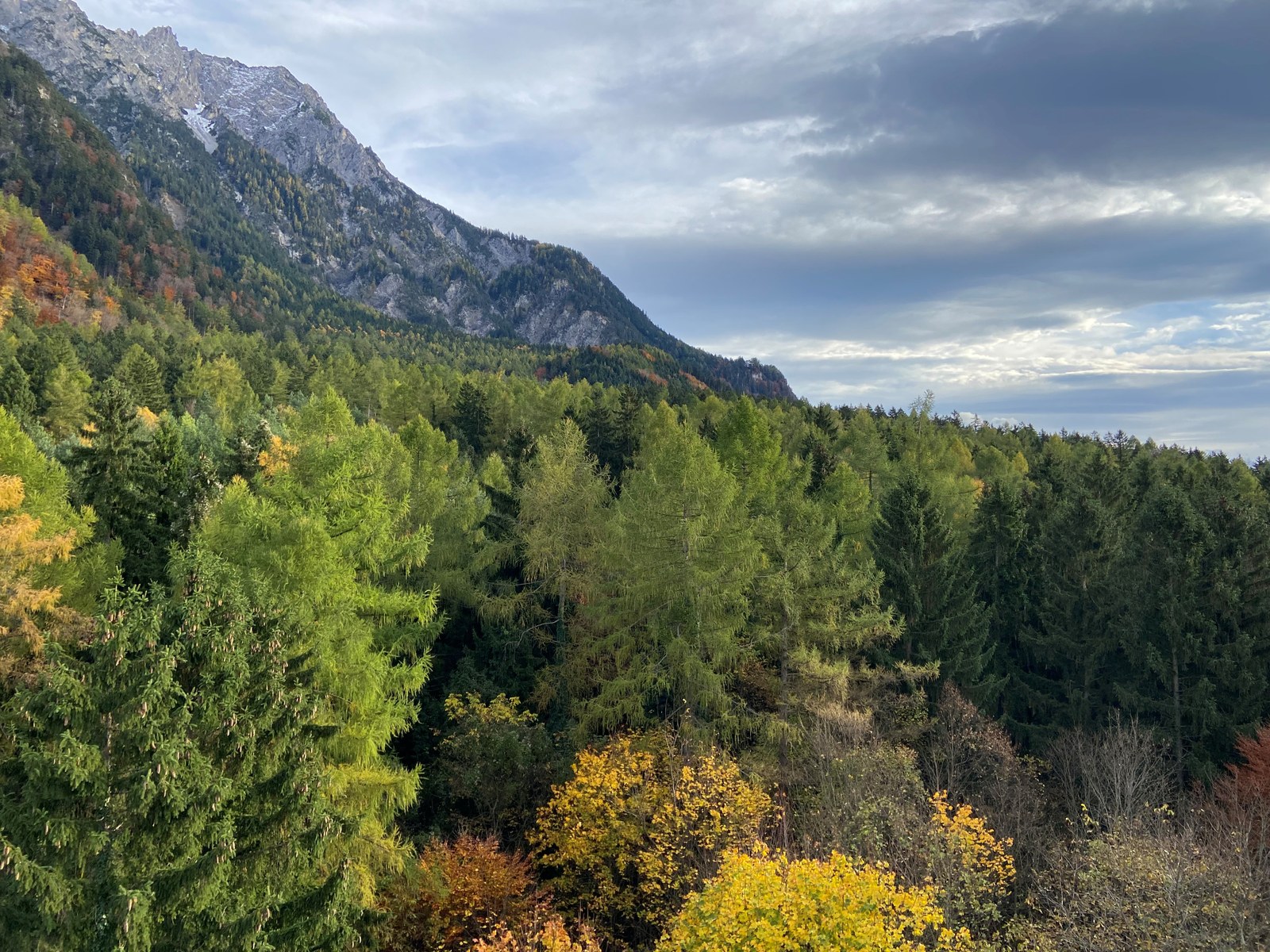
Act now to protect forests: sign the #HandsOffNature petition!
More than 40 percent of the Alpine region is covered by forests. They are not only a defining feature of the landscape, but also a cornerstone of Alpine livelihood, providing building materials, supporting biodiversity, and delivering essential ecosystem services.

Who is CIPRA?
Find out more!
More articles
Marta Grena, CIPRA International
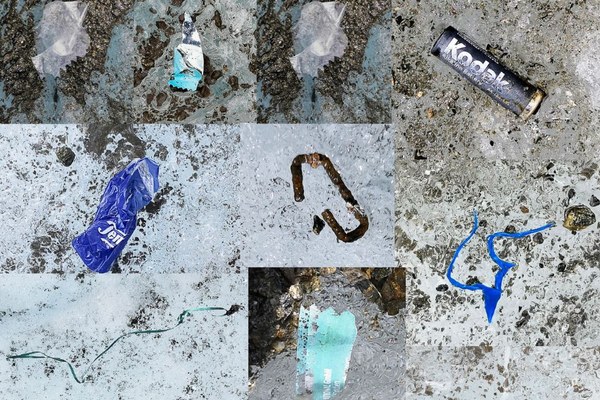
Microplastics in the Alps
Plastic pollution continues to threaten our health and our most precious landscapes. The latest findings show that microplastics can even be found on the highest Alpine peaks.
Sophie V. Mahlknecht, CIPRA International
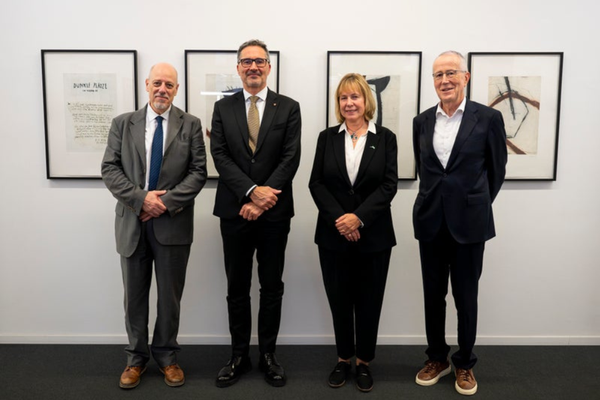
Italy to chair Alpine Convention in 2025
Italy is preparing to chair the Alpine Convention for the period 2025-2026, while Liechtenstein and Austria will co-chair the EU Strategy for the Alpine Region (EUSALP) in 2025. Sustainability and cross-border cooperation are the focus of both initiatives.

Michael Gams, CIPRA International
An end to snowmobiles and heliskiing
In France, snowmobile tours are now officially banned in the Chamrousse ski resort; other areas could soon follow suit. In Austria, environmental organisations are calling for an end to heliskiing.
Michael Gams, CIPRA International
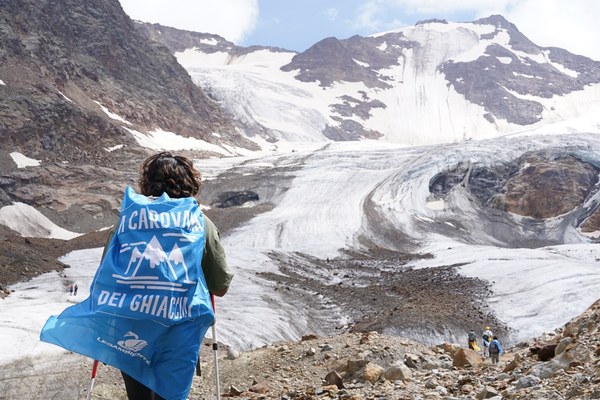
Alarming findings of the Glacier Caravan 2024
Italy's Alpine glaciers are disappearing at a disturbing rate: this is the alarming finding of the Glacier Caravan 2024, organised by the environmental organisation Legambiente in collaboration with CIPRA Italy and the Italian Glaciological Committee.
Events
|
Symposium 2: Vernacular Buildings in the Anthropocene | Austrian Academy of Sciences, Vienna (Austria) |
Projects
CIPRA International | CIPRA Deutschland | CIPRA Italia | CIPRA France
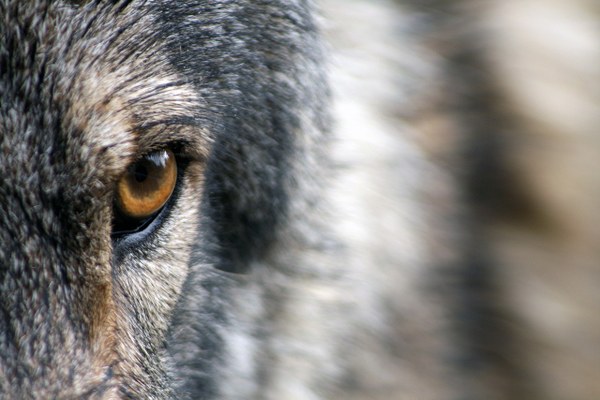
Knowledge transfer on the co-adaptation of humans and wolves in the Alpine region
[Project completed] The return of large carnivores is increasingly causing the fronts to harden between different groups of stakeholders. Among the large carnivores returning to the Alps, the wolf is the most widespread and therefore the most widely debated animal. Wolves are synanthropic animals and cross boundaries - physical as well as intangible ones – regularly. Thus, they have been accompanying and influencing social and cultural processes since time immemorial. In this project, CIPRA has taken on the task to collect, analyse, make available and disseminate knowledge about the co-adaptation of humans and wolves throughout the Alps.