
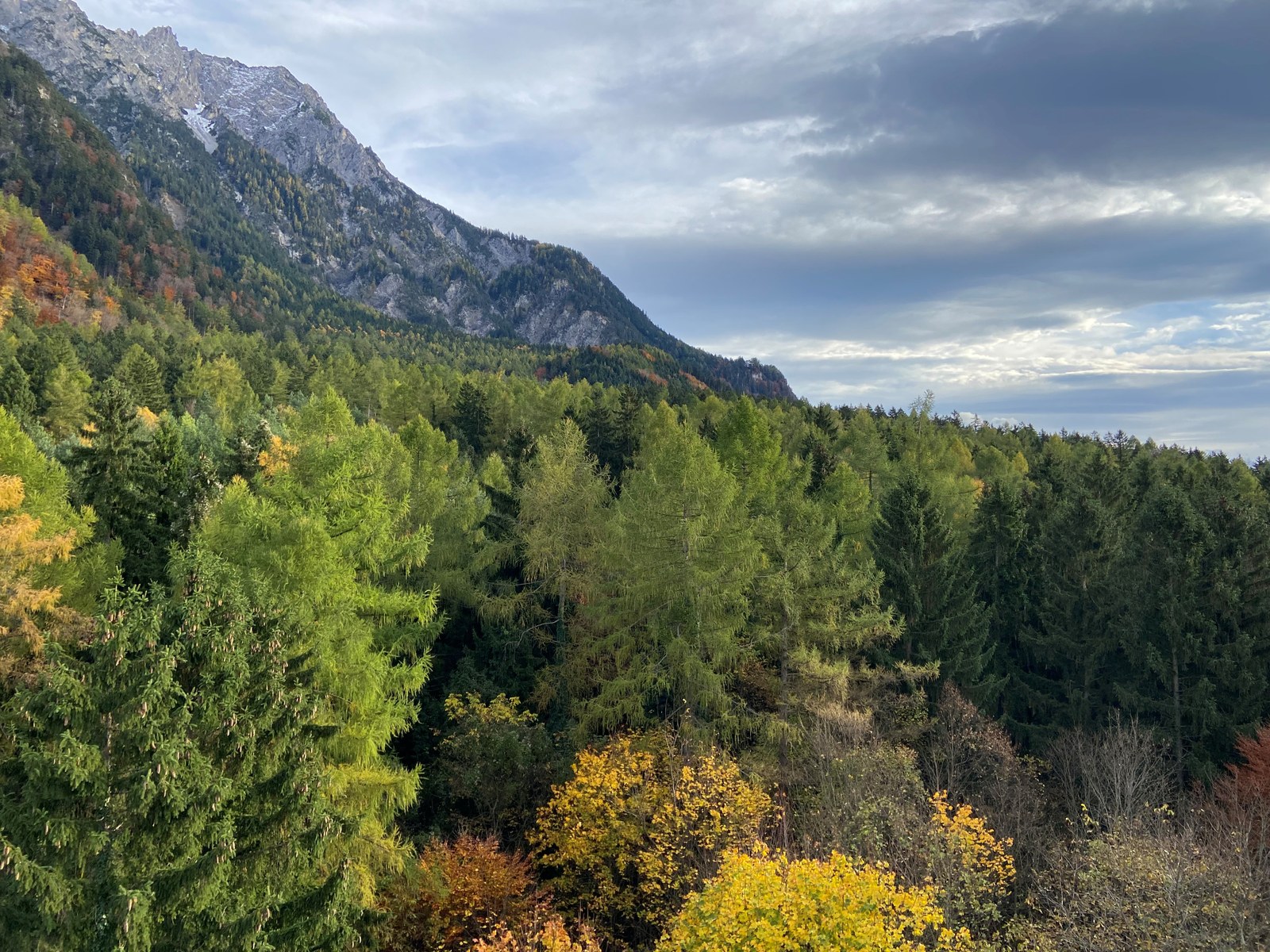
Act now to protect forests: sign the #HandsOffNature petition!
More than 40 percent of the Alpine region is covered by forests. They are not only a defining feature of the landscape, but also a cornerstone of Alpine livelihood, providing building materials, supporting biodiversity, and delivering essential ecosystem services.

Who is CIPRA?
Find out more!
More articles
alpMedia
CIPRA's point of view: The Alps are far too valuable for the Olympics
The result of the vote held on 3 March 2013 in Graubünden is clear: 52.7% are against the Winter Olympics being held there in 2022. This example shows that there is no desire for gigantism in the Alps.
alpMedia
What counts for the diversity of Alpine species
An international team of researchers has decided on the 50 most important questions for the connecting of habitats in the Alpine regions. Research, support and projects should thus now all be singing in unison. What really counts for the Alpine space?

alpMedia | Schaan, LI
Alpine water resources in private hands?
The proposal from Brussels on the privatisation of water supplies is making waves on account of the content of the regulation and also the successful citizens' initiative that aims to stop it. Finally, this article explains why a joint strategy is needed, both for the Alpine space and for Europe.
alpMedia | Schaan, LI
Stage is set for hermits and fire salamanders
What can be done to preserve the diversity of plant and animal species in the Alps? CIPRA provides some answers in the short film "For hermits and fire salamanders - How municipalities connect habitats in the Alps".
Projects
CIPRA International
CultureAlps
When art and culture give climate protection a fresh lick of paint: the Erasmus+ project “CultureAlps: connect, share, act!” opens up new ways of climate communication and collaboration.
CIPRA International Lab
LiveAlpsNature
The LiveAlpsNature project contributes to the preservation of biodiversity in Alpine protected areas, which are increasingly being used for nature and health tourism. To this end, the project team is developing new visitor guidance concepts and leisure activities and integrating them into digital platforms.
CIPRA International Lab
AlpsLife – observe globally, act locally
The successful protection of biodiversity in the Alps is only sustainable through Alpine-wide monitoring and management. This is the aim of the AlpsLife project.