
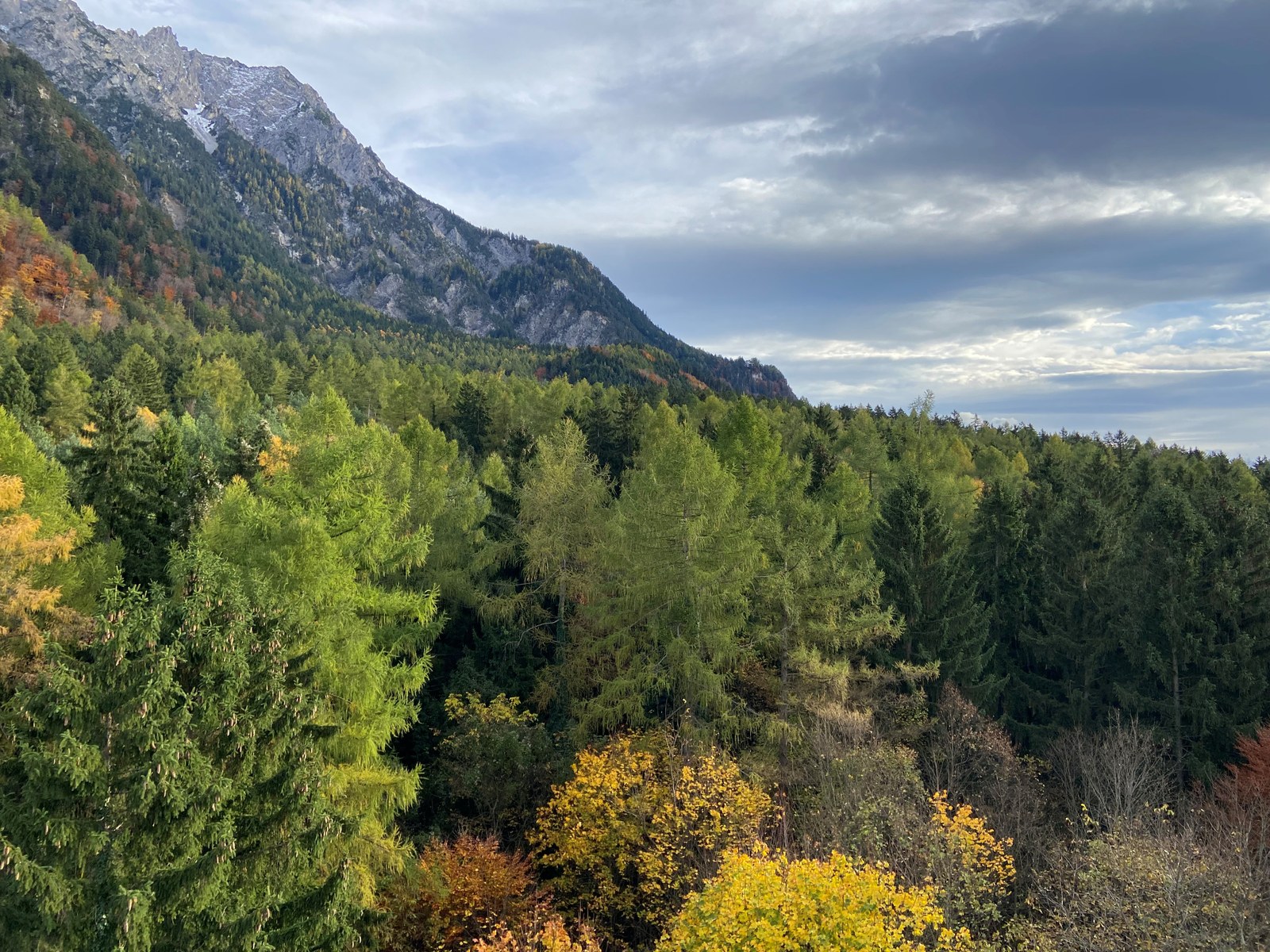
Act now to protect forests: sign the #HandsOffNature petition!
More than 40 percent of the Alpine region is covered by forests. They are not only a defining feature of the landscape, but also a cornerstone of Alpine livelihood, providing building materials, supporting biodiversity, and delivering essential ecosystem services.

Who is CIPRA?
Find out more!
More articles
alpMedia
CIPRA's point of view: The Alps are far too valuable for the Olympics
The result of the vote held on 3 March 2013 in Graubünden is clear: 52.7% are against the Winter Olympics being held there in 2022. This example shows that there is no desire for gigantism in the Alps.
alpMedia
What counts for the diversity of Alpine species
An international team of researchers has decided on the 50 most important questions for the connecting of habitats in the Alpine regions. Research, support and projects should thus now all be singing in unison. What really counts for the Alpine space?
alpMedia | Schaan, LI
Alpine water resources in private hands?
The proposal from Brussels on the privatisation of water supplies is making waves on account of the content of the regulation and also the successful citizens' initiative that aims to stop it. Finally, this article explains why a joint strategy is needed, both for the Alpine space and for Europe.
alpMedia | Schaan, LI
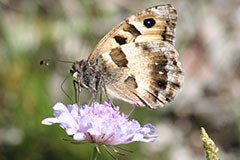
Stage is set for hermits and fire salamanders
What can be done to preserve the diversity of plant and animal species in the Alps? CIPRA provides some answers in the short film "For hermits and fire salamanders - How municipalities connect habitats in the Alps".
Projects

CIPRA International Lab
PlurAlps
[Project completed] The Alpine area is experiencing the combined challenges of an ageing population and new migration models. At the same time, opportunities for social innovation and development arise from increasing cultural diversity and pluralism. Mountainous and peripheral Alpine municipalities and regions are specifically concerned and need technical support and new approaches to develop a welcoming culture, which should be credibly embraced and implemented by municipalities, SMEs and civil society.
CIPRA International
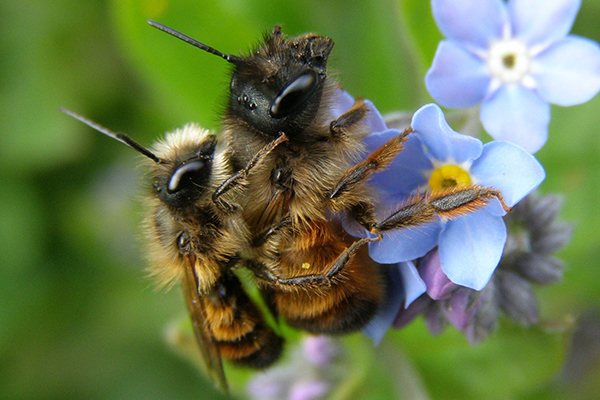
BeeAware!
[Project completed] The aim of the project BeeAware! is to inspire communities in the Alps for bee protection and thus to improve the livelihoods of honey and wild bees. Bees are depending on an intact biodiversity. The different bee species need different plants, nesting and drinking places in order to survive. Integral bee protection therefore means securing, improving and enlarging the habitat of these important pollinators.
CIPRA International
GaYA
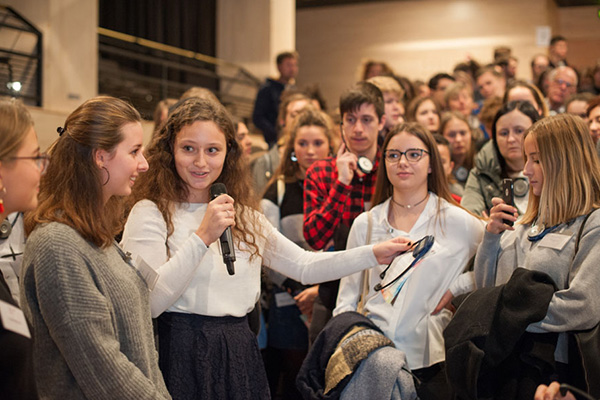
[Project completed] Governance and youth in the Alps - Young people tend to leave the Alpine space because they lack personal and professional fulfilment. Furthermore a majority of decision-makers remain unaware of the benefits a young active population brings to society.