
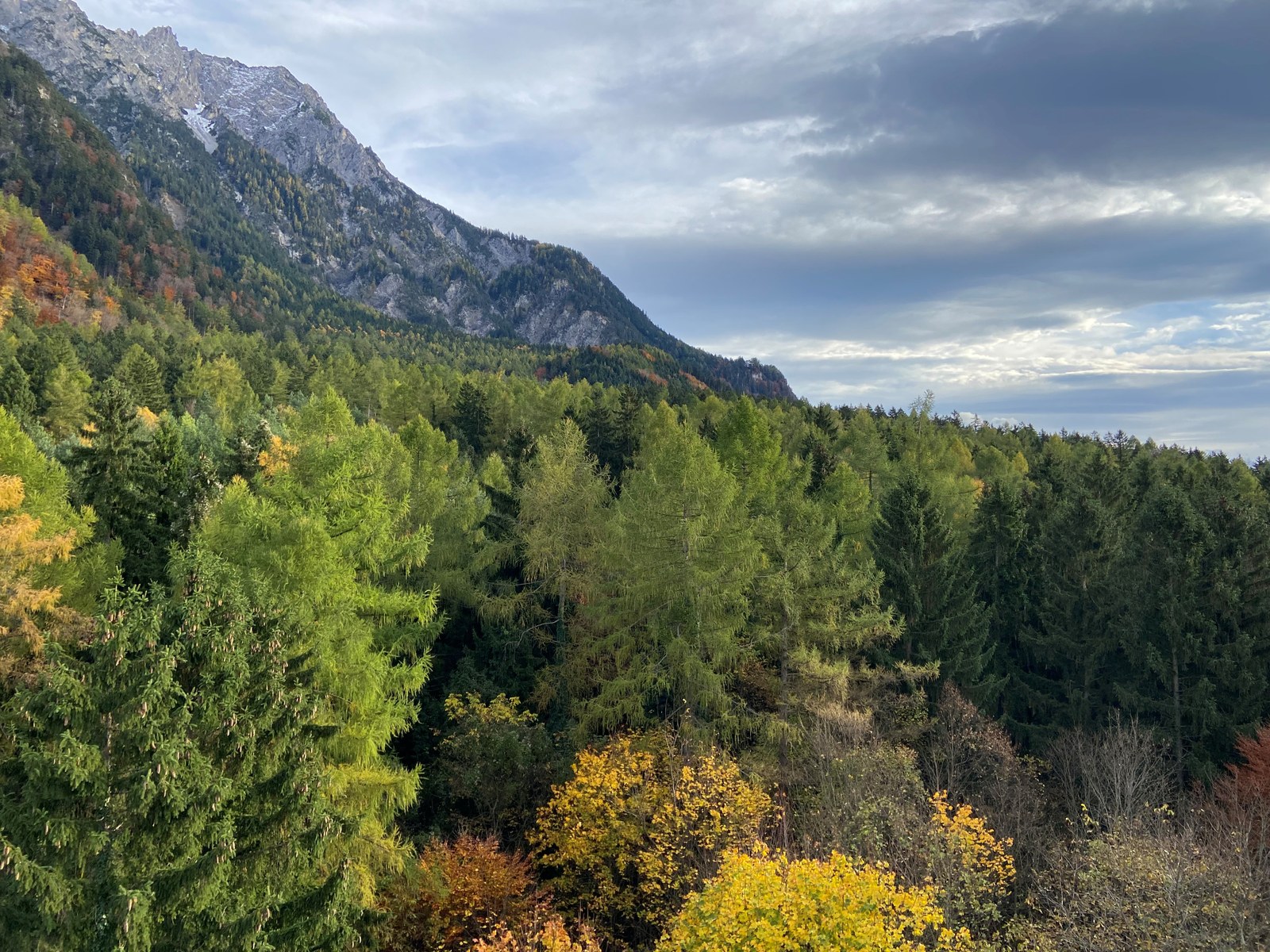
Act now to protect forests: sign the #HandsOffNature petition!
More than 40 percent of the Alpine region is covered by forests. They are not only a defining feature of the landscape, but also a cornerstone of Alpine livelihood, providing building materials, supporting biodiversity, and delivering essential ecosystem services.

Who is CIPRA?
Find out more!
More articles
alpMedia | Schaan, LI
Green electricity for Liechtenstein
As of next year the electricity flowing out of Liechtenstein's power sockets will be sourced exclusively from renewable energies, but only in private households that do not insist on the previous mix of nuclear energy and fossil fuels.

alpMedia | Schaan, LI
Eight new nature parks in Switzerland
The first national park in the Alps was established in the Engadine in 1914. Since then there have been very few efforts in Switzerland to create other protected areas.

alpMedia | Schaan, LI
The Alpine Region as a macro-region?
The EU already has a macro-region strategy for the Danube Region and the Baltic Sea. So why not also for the Alpine Region? At the beginning of July, the Arge Alp Working Group advocated a resolution calling for a "macro-region for the Alps".
alpMedia | Schaan, LI
Climate plan for South Tyrol
The Province of Bolzano wants to become more energy efficient by 2050. Every inhabitant of the Province currently produces around five tonnes of carbon dioxide. The aim is to cut that figure to a mere 1.5 tonnes over the next forty years.
Projects
CIPRA International | CIPRA Deutschland | CIPRA Italia | CIPRA France
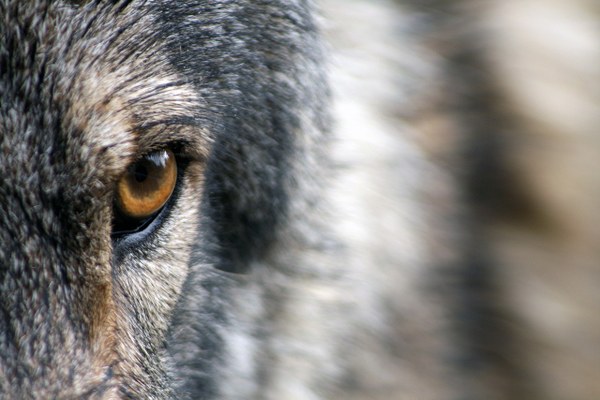
Knowledge transfer on the co-adaptation of humans and wolves in the Alpine region
[Project completed] The return of large carnivores is increasingly causing the fronts to harden between different groups of stakeholders. Among the large carnivores returning to the Alps, the wolf is the most widespread and therefore the most widely debated animal. Wolves are synanthropic animals and cross boundaries - physical as well as intangible ones – regularly. Thus, they have been accompanying and influencing social and cultural processes since time immemorial. In this project, CIPRA has taken on the task to collect, analyse, make available and disseminate knowledge about the co-adaptation of humans and wolves throughout the Alps.