
Act now to protect forests: sign the #HandsOffNature petition!
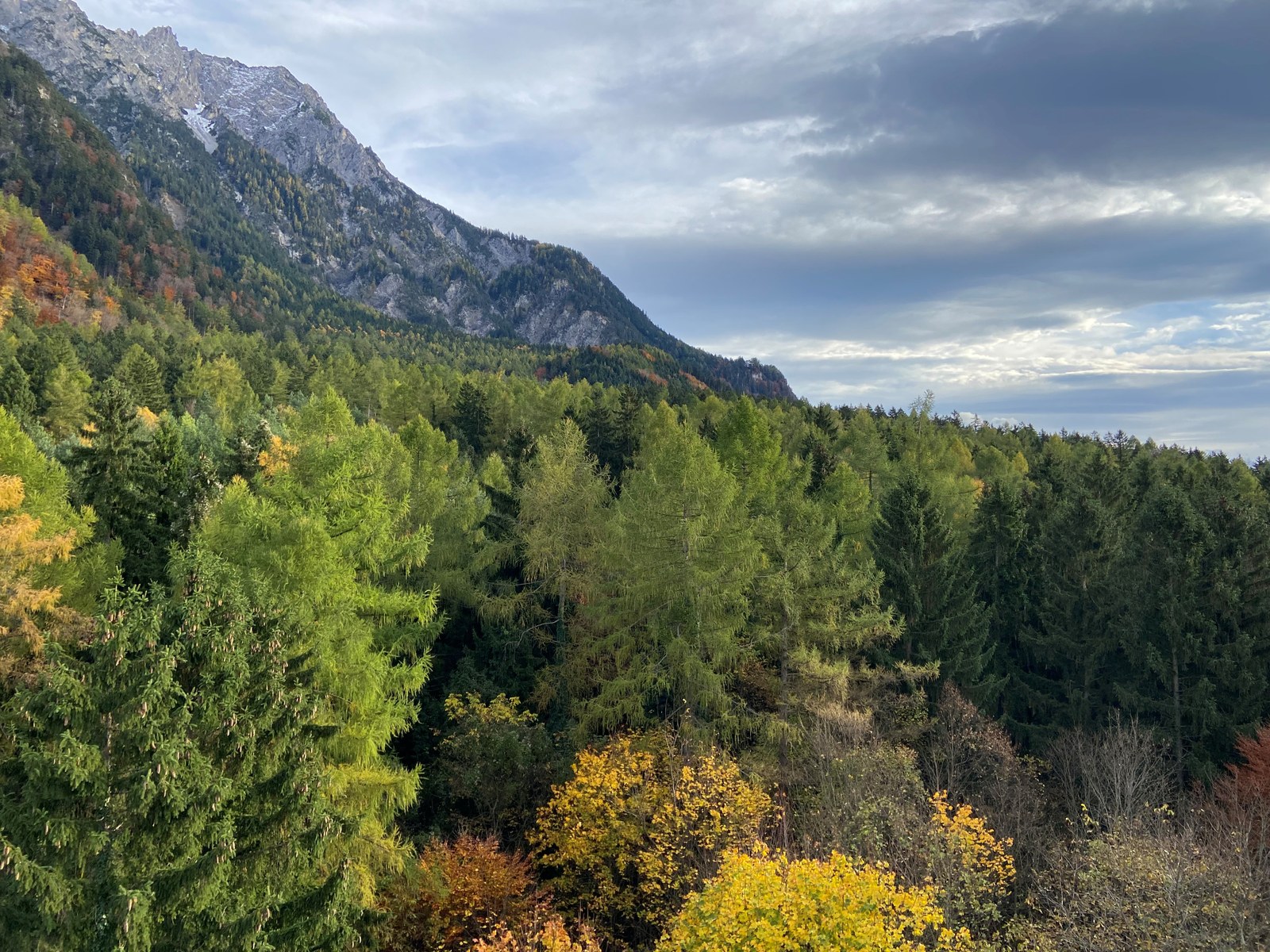
More than 40 percent of the Alpine region is covered by forests. They are not only a defining feature of the landscape, but also a cornerstone of Alpine livelihood, providing building materials, supporting biodiversity, and delivering essential ecosystem services.

Who is CIPRA?
Find out more!
More articles
Bernd Hauser | Zeitenspiegel | Copenhagen, DK
Alpine Convention: Sense and Sensuality
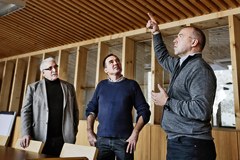
Climate change mitigation in construction and renovation is tantamount to providing for the future; it also makes economic sense. Better still, the Konstruktiv architecture award shows how sustainable construction can also become a sight for sore eyes. CIPRA co-initiated the award in order to publicise exemplary solutions. Imitations expressly permitted!
CIPRA Internationale Alpenschutzkommission | Schaan, LI
Climalp/“Alliance in the Alps”: Infected with good ideas
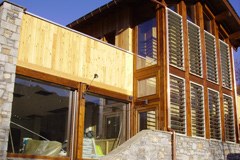
Ideas spread like viruses. They infect someone, who in turn infects someone else, and if they are good and strong, they spread like an epidemic. Energy-efficient construction is one such viral idea. On 14 September 2009 one could observe how it leapt from Vorarlberg to the French department of Savoie. Austria’s westernmost federal province is widely regarded as a centre for innovative timber construction. Concentrated here are a strikingly large number of architects, sawmills and carpenters who use wood as a traditional building material but in an ecologically advanced way – a large-scale workshop for creating a forest-sourced living environment.
CIPRA Internationale Alpenschutzkommission | Schaan, LI
Alliance of Central Asian Mountain Communities: Bridges across mountains
Sometimes the toughest challenges can be presented in the most tender way. On the plate in front of Antonio Zambon is a sheep’s head, braised for hours so that the meat is lovely and tender, eyes included. Expectantly, the Kyrgyz hosts watch their visitor from distant Italy. Quite a quandary. This rustic delicacy is not exactly to his taste; then again, the gesture is intended to honour him as the delegation’s oldest member.
CIPRA Internationale Alpenschutzkommission | Schaan, LI
cc.alps climate project: win-win with science
Swiss economic geographer Bruno Abegg has been working with CIPRA for three years. A scientist and a political organisation – how can that work? “It is a clash between two ways of thinking,” says the 45-year-old, which is precisely what he finds so exciting. As the scientific director of the cc.alps project he examines the way in which regions, communities and businesses in the Alps are responding to climate change. CIPRA campaigns to ensure that climate response measures are sustainable. “My research work has always been application-oriented,” says Abegg, “which is why it’s important to me that my findings flow into practical work for the environment.”
Events
|
Local Peaks, Global Learning | online | |
|
Transhumance as Intangible Cultural Heritage of Humanity: A Way Forward? | MUCEM, Marseille/France | |
|
Growing alternative crops for new market opportunities in a changing climate | Vienna/Austria | |
|
Trento Film Festival | Santa Croce street, 67; I-38122 Trento | |
|
ForumAlpinum 2026 | Aosta |
Projects
CIPRA International
Alpine Dialogue
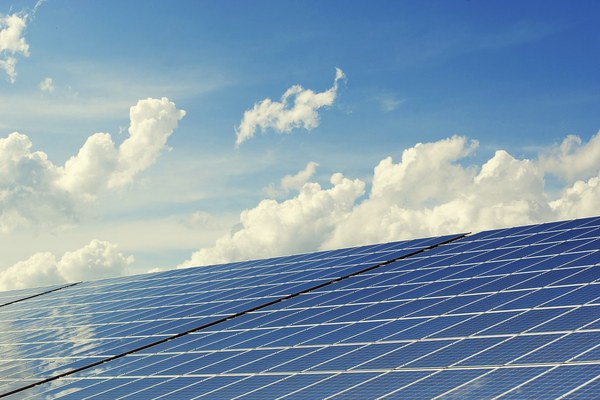
[Project completed] Energy transition does not stop at the gates of the Alps. A low carbon society and nuclear phase-out are on the political agenda of the Alpine governments. In sensitive natural areas of the Alps, the increased use of renewable energy can lead – and is already leading – to significant conflicts, for instance between the last natural rivers and hydropower.
CIPRA International
C3-Alps
[Project completed] C3-Alps stands for Climate Change Capitalisation, and that is precisely this Interreg Alpine Space Project has been all about.