
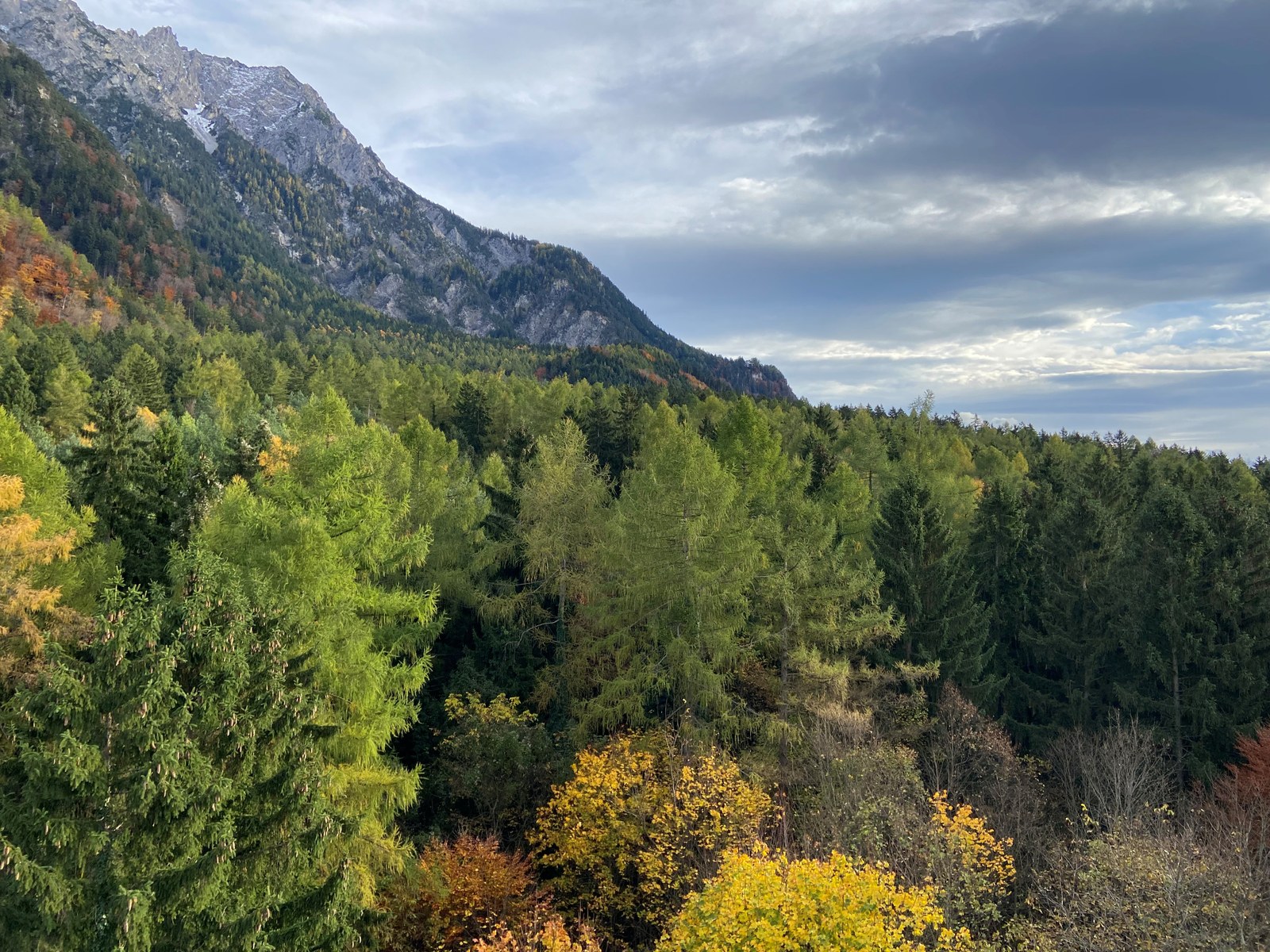
Act now to protect forests: sign the #HandsOffNature petition!
More than 40 percent of the Alpine region is covered by forests. They are not only a defining feature of the landscape, but also a cornerstone of Alpine livelihood, providing building materials, supporting biodiversity, and delivering essential ecosystem services.

Who is CIPRA?
Find out more!
More articles
alpMedia | Schaan, LI
Changing forests
The seminar titled Forestry and Climate Change - Thinking One Step Ahead! looks at the consequences of global warming on the timber industry, forestry and its functions. What sort of strategies are needed to ensure the sustainable development of the forest within the context of regional development?
Methodological guide of the hierarchical ecological networks
The pilot region Isère has published a guide presenting various experiences they led since ten years in different areas and the methods being used. The publication "Methodological guide of the hierarchical ecological networks - Ten years of experiments in Isère" is available in English and French.
alpMedia | Schaan, LI
Idrija is the Alpine Town of the Year 2011
The label for sustainable development was awarded to the Slovenian town of Idrija for its commitment to climate protection among other initiatives. The "Alpine Town Year" was ceremoniously inaugurated in February.
alpMedia | Schaan, LI
Olympic bid by Annecy: repercussions underestimated
French environmental protection agencies have said that the "impact of the Olympic Games on the environment are widely underestimated in the application documents".
Events
|
Webinar: The journey of water | online | |
|
XIV European Mountain Convention | Sallanches / France | |
|
Alps in Motion: new Alpine-wide Day of Action | alpswide | |
|
Symposium 2: Vernacular Buildings in the Anthropocene | Austrian Academy of Sciences, Vienna (Austria) |
Projects
CIPRA Deutschland | CIPRA France
DINAMO
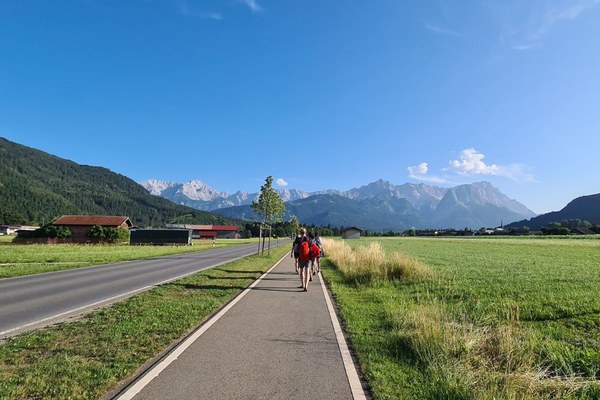
[Project competed] In many rural areas of the Alps, public transport services are inadequate for daily needs and tourism development. In some remote mountain regions, this is one of the reasons why there is a considerable amount of car traffic, especially on weekends, public holidays and during rush hours. There are various reasons for this, including the high cost of public transport solutions due to low population density, inadequate public transport options (such as timetables, accessibility, connectivity, travel time and costs) and political and social preferences in favour of private motorised transport.

CIPRA International Lab
LISTEN
The LISTEN project is analysing the use of space in suburbs on the basis of three pilot regions in Belgium, Sweden and Austria. CIPRA Lab GmbH is working together with partners from research and regional stakeholders.
CIPRA International Lab
Haus am Katzenturm Association
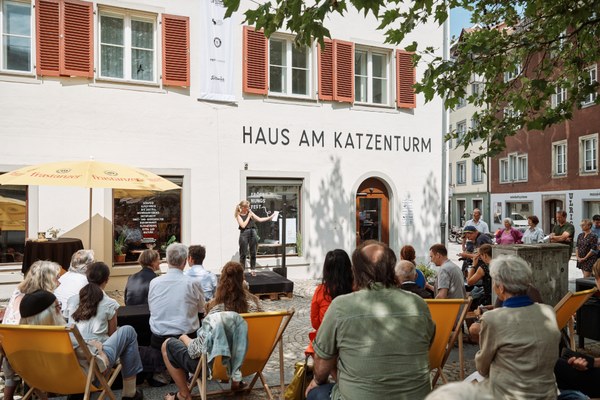
[Project completed] Along with the association of the same name in Feldkirch/A, the “Haus am Katzenturm” networks NGOs from the environmental and nature conservation sector in the Lake Constance region and makes their topics accessible to a broad public.