
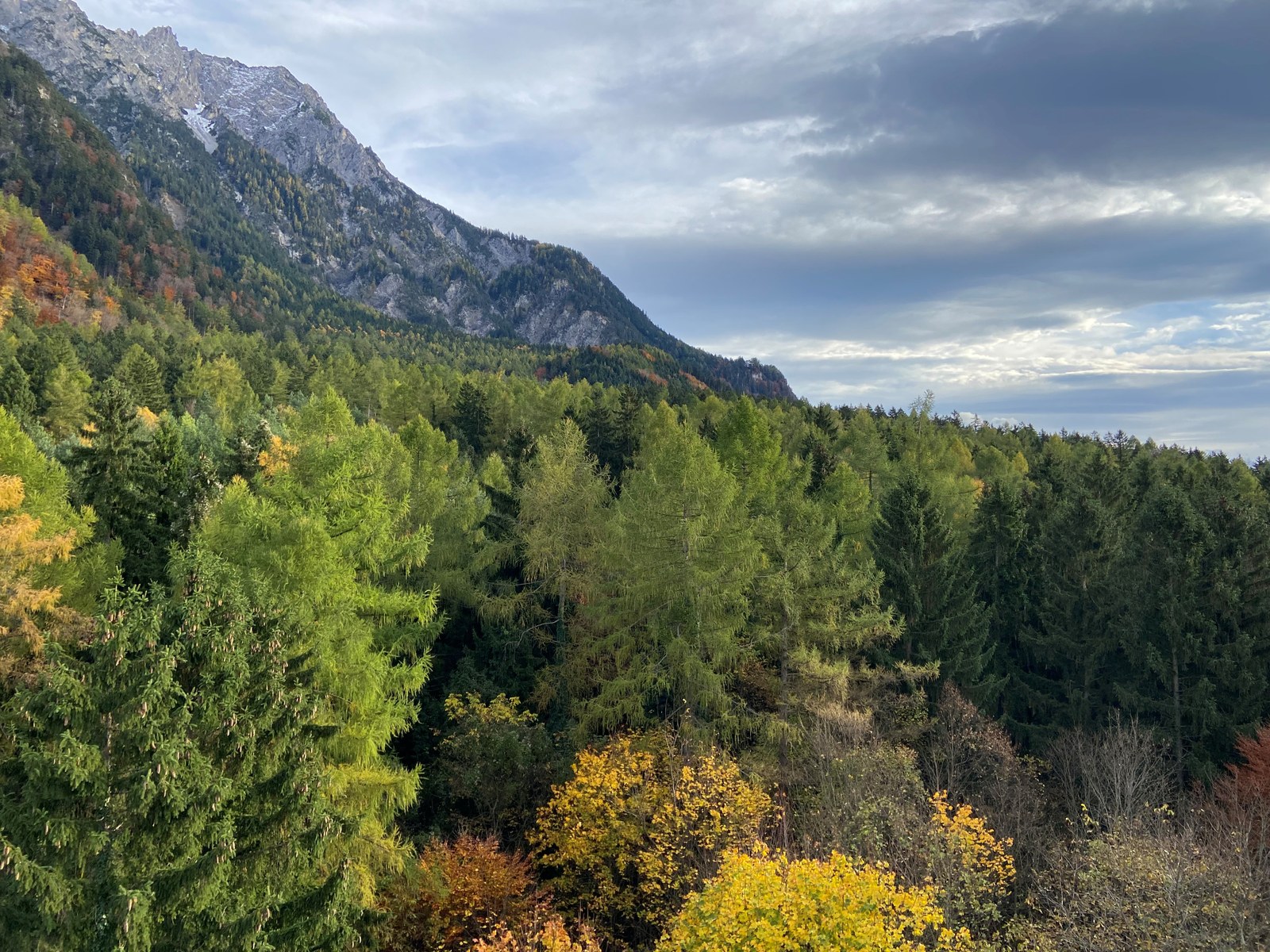
Act now to protect forests: sign the #HandsOffNature petition!
More than 40 percent of the Alpine region is covered by forests. They are not only a defining feature of the landscape, but also a cornerstone of Alpine livelihood, providing building materials, supporting biodiversity, and delivering essential ecosystem services.

Who is CIPRA?
Find out more!
More articles
Wild cat back in Austrian forests
After more than fifty years, the wild cat returned to Austrian forests. To contribute to protection and a better acceptance of this shy animal among people, the Platform on Wildcats was founded in 2009.
Journal "Conservation Biology" about ecological connectivity and corridors
The April 2010 virtual issue of the journal Conservation biology contains several articles on connectivity and corridors.The articles address phenomena and actions that affect movement of genes, organisms (including humans), and ecological processes.
TransEcoNet: Comprehensive inventory of ecological networks in Central Europe finished
The TransEcoNet project strives for a better connection of protected and less or unprotected landscapes across national borders in Central Europe. One focus of the project during its first half of implementation has been the analysis of existing transboundary ecological networks, their status of biodiversity and the detection of gaps in these networks.
Fragmentation of Stelvio National Park management
A committee composed of members of the Italian government, the region Lombardy and the automous provinces of Trento and Bolzano has decided that the Stelvio national park/I should be run directly by local authorities. It foresees that the park will be managed by the Autonomous Provinces of Trento and Bolzano and the Region Lombardy, in collaboration with the municipalities concerned. According to WWF Italy, this could lead to an unnecessary and potentially damaging administrational fragmentation of the Park.
Projects
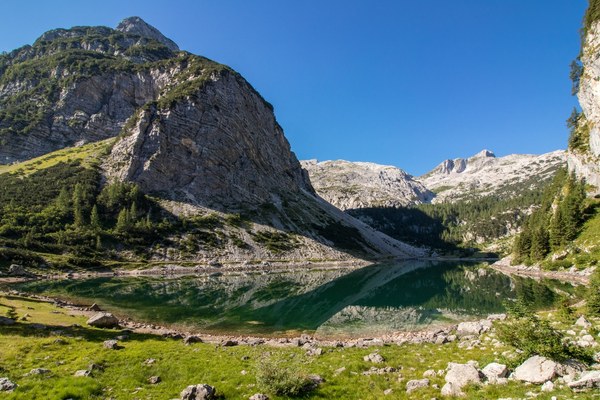
Responsible management of mountain water resources
Mountain regions constitute a unique yet fragile natural environment that provides habitat for numerous rare and endemic species. Their biodiversity is rich, yet highly vulnerable. These areas host a variety of aquatic ecosystems—rivers, streams, lakes, wetlands and peat bogs — which have very limited self-purification capacity and are extremely sensitive to change. Their condition is directly affected by climate change and human activities.
CIPRA International
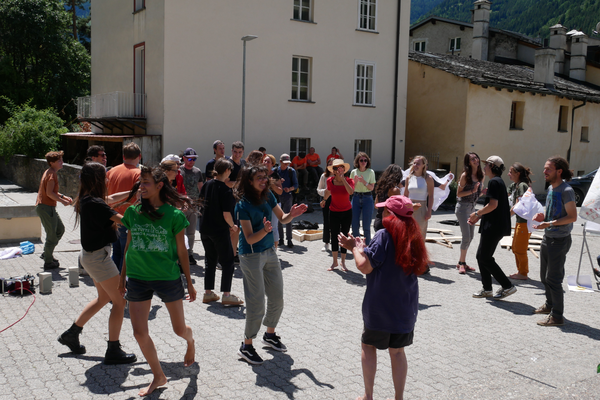
Alpine Changemaker Network
How can we advance eco-social transformation in the Alpine region? The Alpine Changemaker Network project combines Alpine traditions, as reflected in contemporary art, culture and design, with current approaches to overcoming global crises.
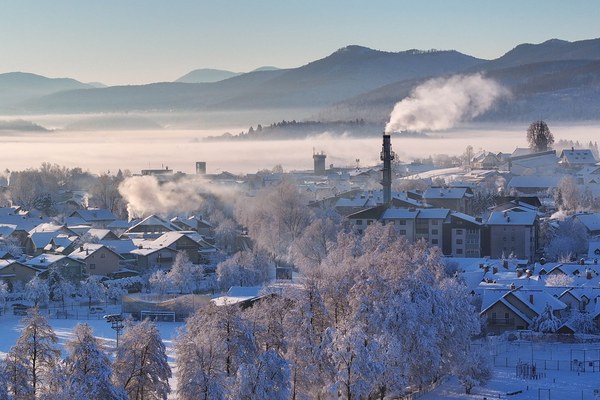
Heating of buildings and air quality 2.0
The project represents a continuation of efforts to reduce air pollution resulting from improper combustion in individual furnaces. Particular attention is paid to the use of outdated wood biomass combustion devices, which contribute significantly to emissions of particles that are harmful to health.