
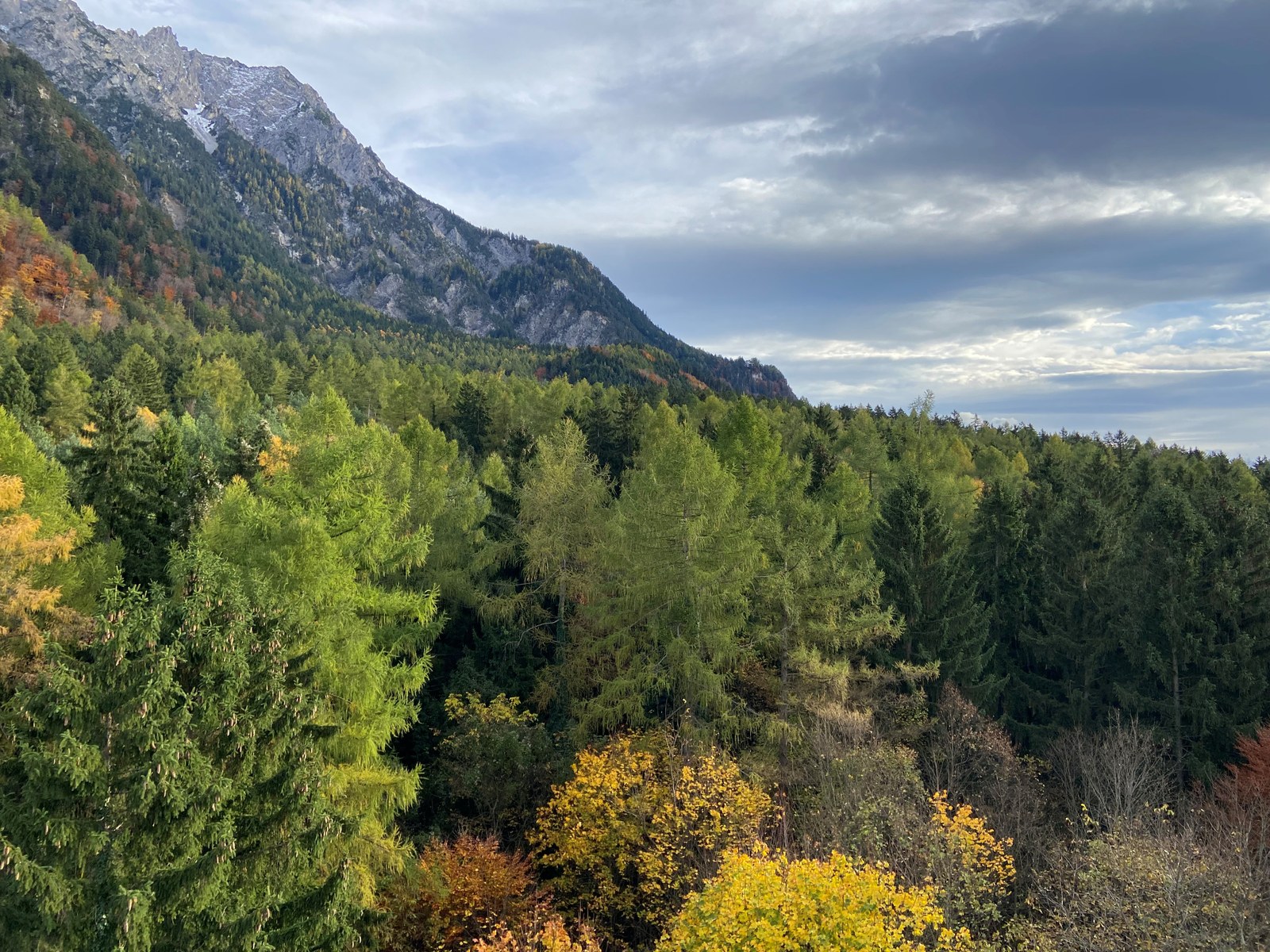
Act now to protect forests: sign the #HandsOffNature petition!
More than 40 percent of the Alpine region is covered by forests. They are not only a defining feature of the landscape, but also a cornerstone of Alpine livelihood, providing building materials, supporting biodiversity, and delivering essential ecosystem services.

Who is CIPRA?
Find out more!
More articles
CIPRA France | CIPRA Deutschland
DINAMO Erasmus+ project: a new white paper on mountain mobility
The "DINAMO" project aims to address the challenges of rural mountain mobility by encouraging cooperation between different stakeholders and stimulating creative processes through international exchanges. The main objective is to promote sustainable mobility solutions in rural mountain areas, to help them become less dependent on individual car transport.
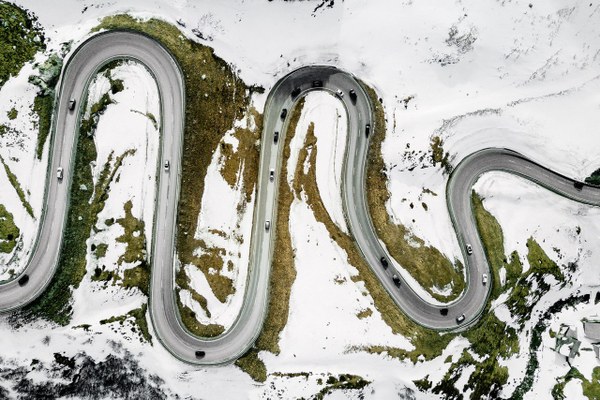
Learning about Alpine cross-mobility in the DINAMO Erasmus+ project webinars
As part of the European ERASMUS+ project "DINAMO - Developing International Nature Adapted Mobility Options", CIPRA Germany and CIPRA France organised two webinars on the topic of cross-border mobility and Alpine mobility strategies in June and July 2024.
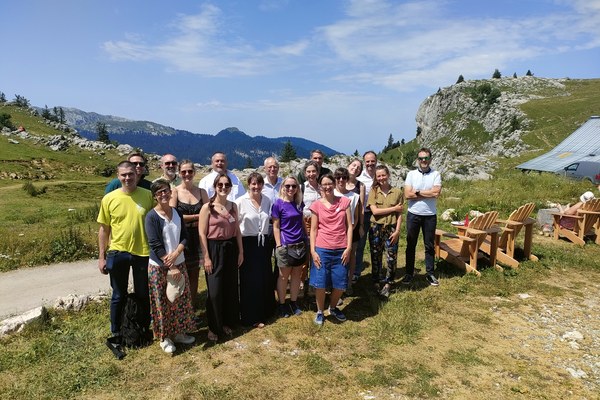
DINAMO Erasmus+ project: the return trip from Bad Hindelang to Chartreuse
As part of the European ERASMUS+ project "DINAMO - Developing International Nature Adapted Mobility Options", CIPRA Germany and CIPRA France organised exchange study visits between two pilot territories : the Chartreuse massif in France (represented by the regional natural park and the local authority "Coeur de Chartreuse") and the municipality of Bad Hindelang in Germany.
Sophie V. Mahlknecht, CIPRA International
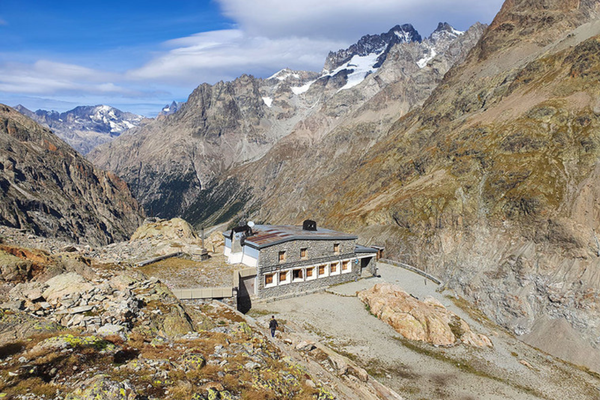
Alpine huts: the first victims of the climate crisis?
Water shortages, disintegrating mountains and renovation needs: managing Alpine huts has always been difficult, but the climate crisis is making the situation even worse. The Austrian Alpine Association has already issued an “Emergency call from the Alps”.
Events
|
Youth Parliament to the Alpine Convention: Climate Resilient Development | ||
|
The Better-Cities Event | Ljubljana | |
|
Local Peaks, Global Learning | online | |
|
Transhumance as Intangible Cultural Heritage of Humanity: A Way Forward? | MUCEM, Marseille/France | |
|
Growing alternative crops for new market opportunities in a changing climate | Vienna/Austria |
Projects
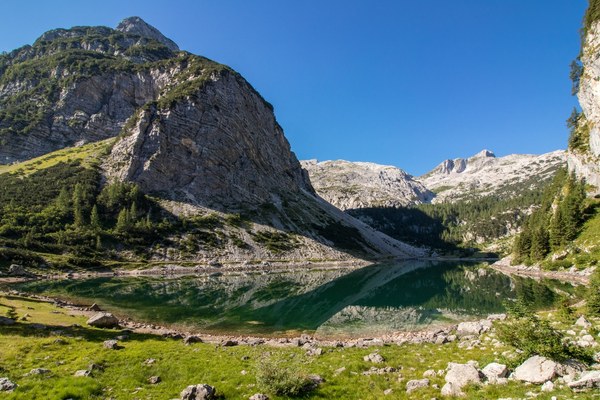
Responsible management of mountain water resources
Mountain regions constitute a unique yet fragile natural environment that provides habitat for numerous rare and endemic species. Their biodiversity is rich, yet highly vulnerable. These areas host a variety of aquatic ecosystems—rivers, streams, lakes, wetlands and peat bogs — which have very limited self-purification capacity and are extremely sensitive to change. Their condition is directly affected by climate change and human activities.
CIPRA International
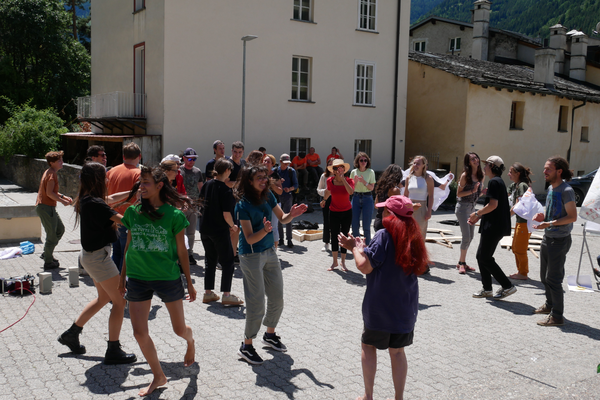
Alpine Changemaker Network
How can we advance eco-social transformation in the Alpine region? The Alpine Changemaker Network project combines Alpine traditions, as reflected in contemporary art, culture and design, with current approaches to overcoming global crises.
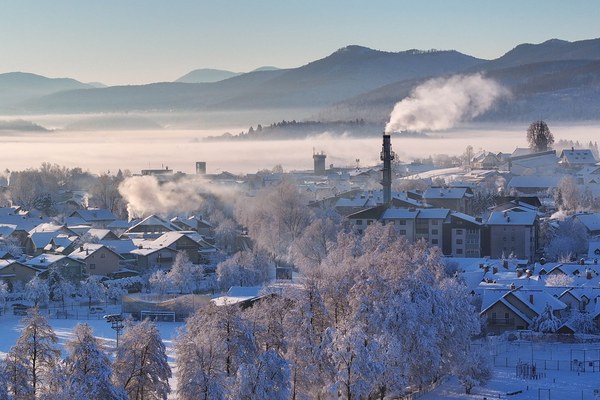
Heating of buildings and air quality 2.0
The project represents a continuation of efforts to reduce air pollution resulting from improper combustion in individual furnaces. Particular attention is paid to the use of outdated wood biomass combustion devices, which contribute significantly to emissions of particles that are harmful to health.