
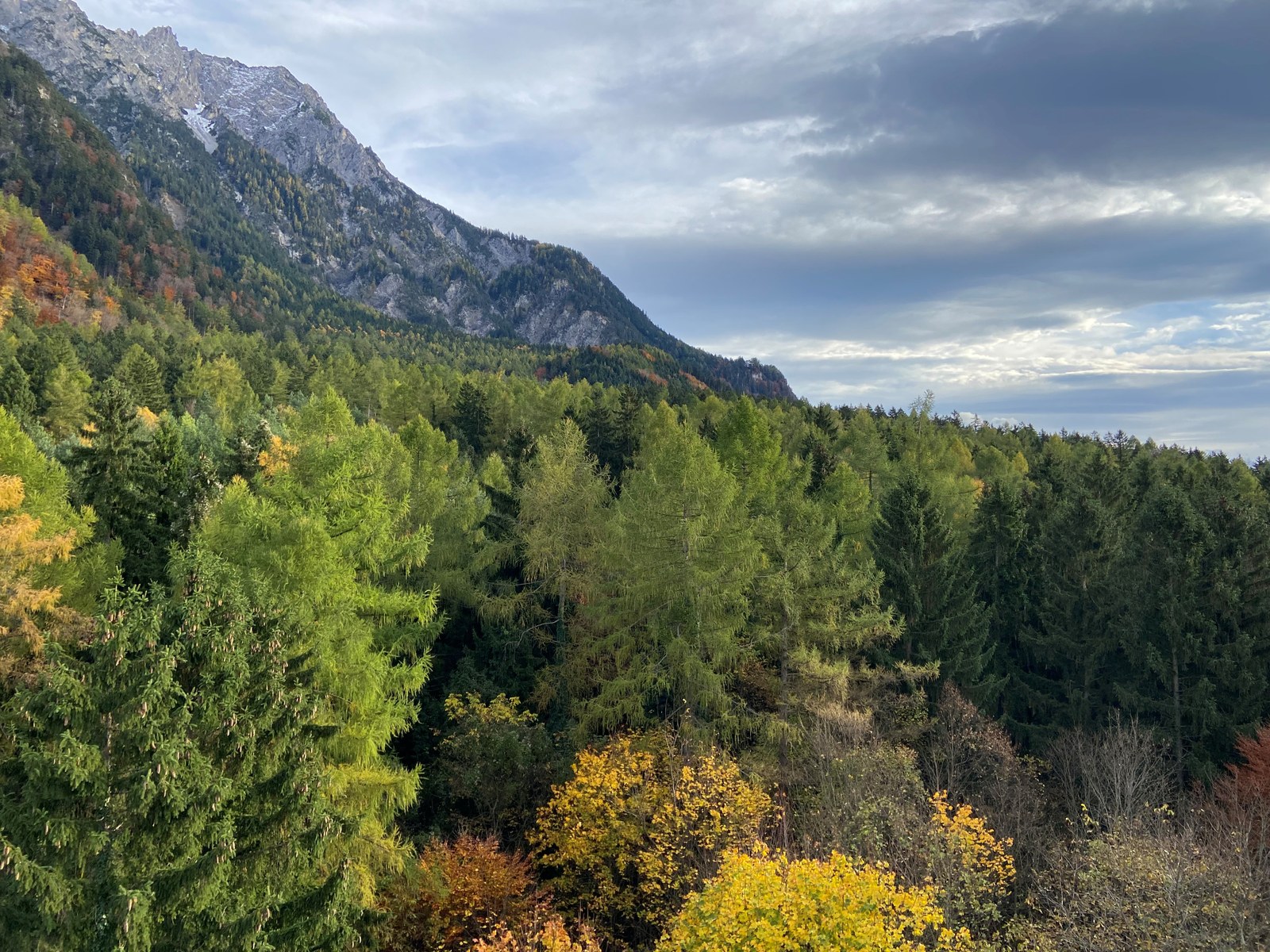
Act now to protect forests: sign the #HandsOffNature petition!
More than 40 percent of the Alpine region is covered by forests. They are not only a defining feature of the landscape, but also a cornerstone of Alpine livelihood, providing building materials, supporting biodiversity, and delivering essential ecosystem services.

Who is CIPRA?
Find out more!
More articles
CIPRA Internationale Alpenschutzkommission | Schaan, LI
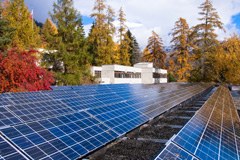
Background report on "Energy Self-sufficient Regions" now online!
The latest cc.alps background report is the compact on "Energy Self-sufficient Regions". It is dedicated to this topical, future-oriented issue and takes an in-depth look at the ambitious concept and its conflicts of objectives.

CIPRA Internationale Alpenschutzkommission | Schaan, LI
Calm and collected in a heated discussion: Pascale Poblet, CCP Project Manager "There's no stress involved in travelling by bus or by bike."
With a commuter plan that encourages the use of modes of transport other than cars the STMicroelectronics and ST-Ericsson site in Grenoble/F is committed to eco- and climate-friendly mobility. For this initiative the company was awarded one of the cc.alps competition prizes worth 10,000 euros. Pascale Poblet, CCP (Company Commuter Plan) Project Manager, explains why the company's workforce is in such great shape and why the company's kitty has benefited as a result.
alpMedia | Schaan, LI
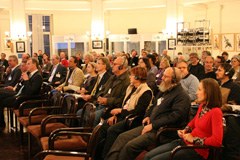
CIPRA Yearly Symposium 2010: "The Alps Adapting to Change"
CIPRA's 54th Yearly Symposium was held in Semmering/A (14-16 October 2010) to the motto of "The Alps Adapting to Change - Peripheral Regions Between Wasteland and Hope". It clearly showed that decision-makers are only now beginning to perceive the problems remote areas within the Alps are faced with. Unsurprisingly there were no patent remedies to the problems these areas have to contend with - indeed the circumstances and claims to exploitation in individual regions of the Alps are far too diverse and need to be countered in just as many ways. What remains is a need for debate and action for a sustainable, future-orientated development of peripheral rural regions in the Alps.
alpMedia | Schaan, LI
European mountain areas: focusing on trendsetting projects
In mid-September 350 experts and interested participants from 23 countries gathered in Lillehammer/NO to discuss the implementation of innovative projects in European mountain areas. By now in the mountains of Europe there are already multiple trendsetting projects in progress. One of the conclusions reached by the experts is that a better usage needs to be made of that potential, and that it also needs to be expanded further.
Events
|
Local Peaks, Global Learning | online | |
|
Transhumance as Intangible Cultural Heritage of Humanity: A Way Forward? | MUCEM, Marseille/France | |
|
Growing alternative crops for new market opportunities in a changing climate | Vienna/Austria | |
|
Trento Film Festival | Santa Croce street, 67; I-38122 Trento | |
|
ForumAlpinum 2026 | Aosta |
Projects
CIPRA International
Living Labs
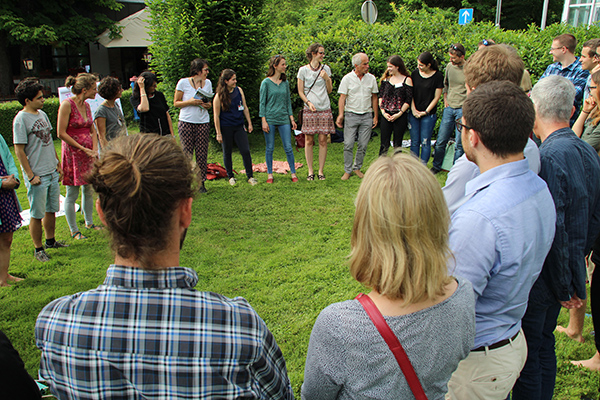
[Project completed] The project “Living Labs” brought together people of different ages from different Alpine countries to work together on process and know-how on selected topics. The project approach was participative and based on the principles of co-creation between young talents aged 18-30 years, environmental NGOs, civil society and politicians. The participants of this intergenerational project are committed to the sustainable development of the Alps at local, national and international level. For a desirable future it is important to set the right course today and to talk about how existing natural resources can be used sustainably.
CIPRA International | CIPRA Deutschland | CIPRA France | CIPRA Italia | CIPRA Slovenija
Sustainable Alpine Tourism
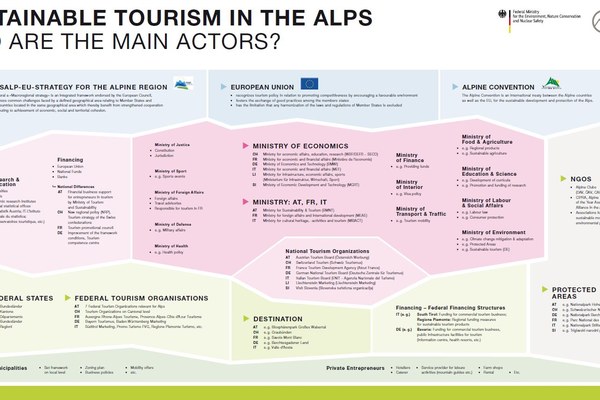
[Project completed] Sustainable tourism in the Alps is the only long-term alternative to conventional mass tourism in order to safeguard the habitat for nature and people. So far, however, there is a lack of jointly defined framework conditions on anational or alpine level for planning, promoting and implementing sustainable tourism.
CIPRA International
Cross-border mobility
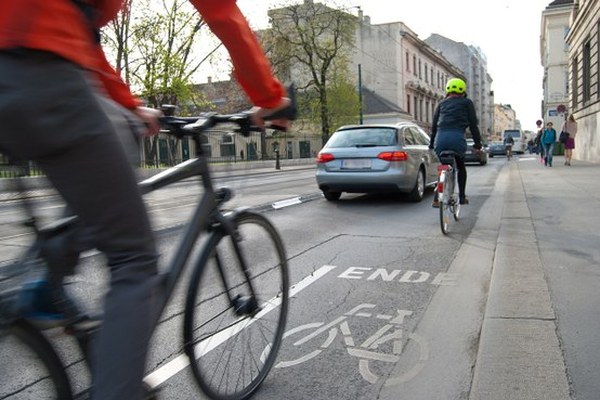
[Project completed] Tens of thousands of commuters move across national borders every day in the Alpine region. Existing traffic routes, however, were mostly built with a purely national perspective and are not geared to cross-border commuter flows. The result is overloaded roads, noise and pollution for local residents.