
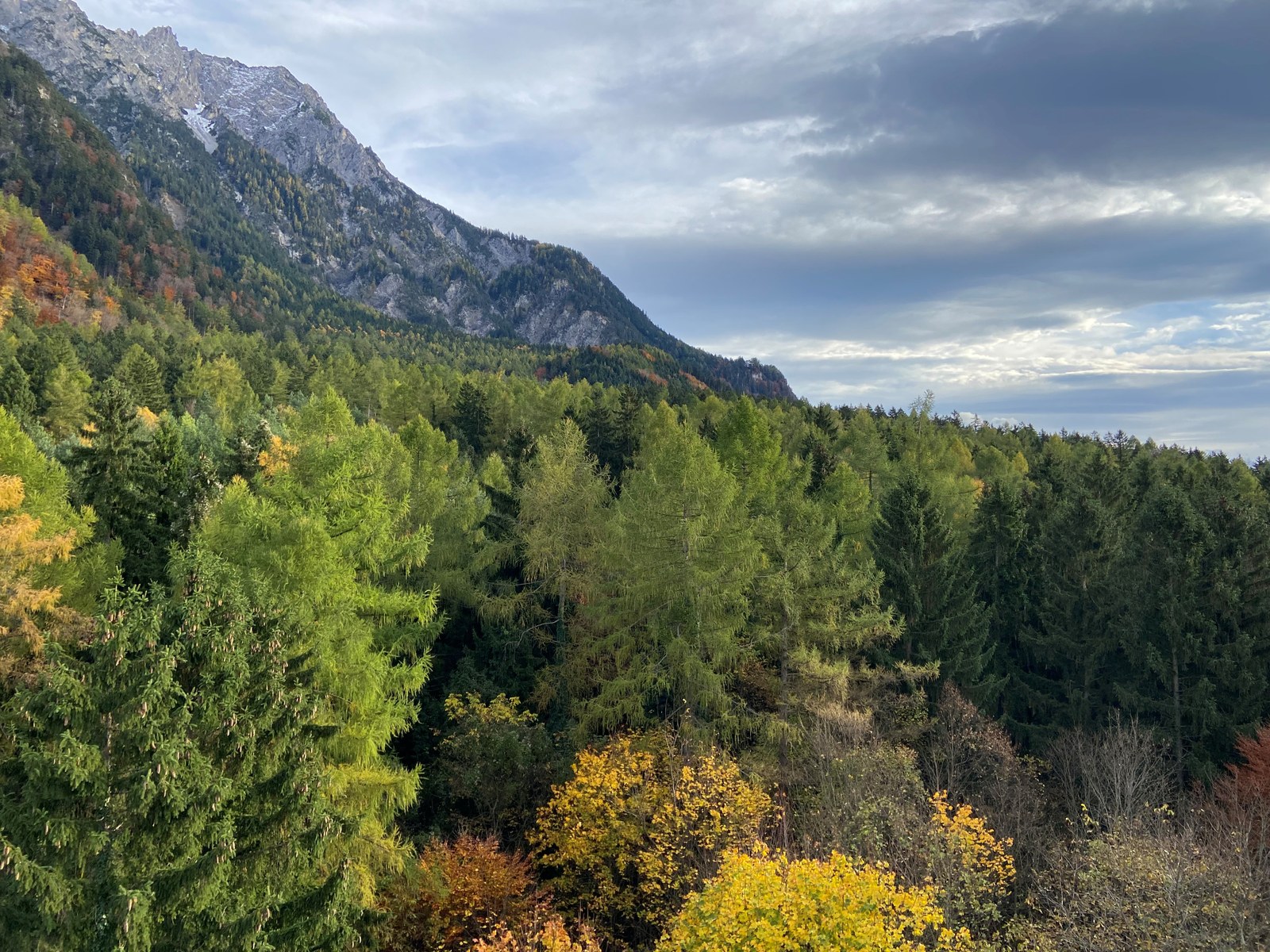
Act now to protect forests: sign the #HandsOffNature petition!
More than 40 percent of the Alpine region is covered by forests. They are not only a defining feature of the landscape, but also a cornerstone of Alpine livelihood, providing building materials, supporting biodiversity, and delivering essential ecosystem services.

Who is CIPRA?
Find out more!
More articles
alpMedia | Schaan, LI
The true value of our mountains
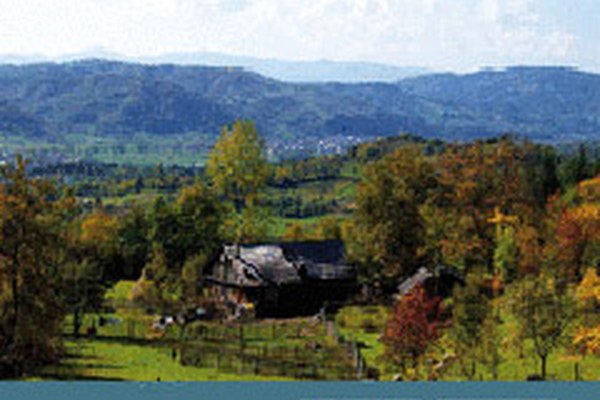
The European Environmental Agency (EEA) has just published a new report titled Europe's ecological backbone: recognising the true value of our mountains. The report provides a comprehensive analysis of population numbers, ecosystems, water cycles, land use, and policies in mountain regions. The report focuses its attention on forces and interactions between the various issues and their impact on Europe's mountain areas.
CIPRA Internationale Alpenschutzkommission | Schaan, LI
Experiences from the Carpathians: a manual on creation of ecological corridors
Based on a pilot project of realizing trans-boundary ecological connectivity in the Ukrainian Carpathians a manual on stakeholder involvement and landscape-ecological modeling to connect protected areas has recently been published.
First atlas of biodiversity risk in Europe
The new "Atlas of Biodiversity Risk" is the first of its kind to describe and summarise in a comprehensive, easy-to-read and richly illustrated form the major pressures, impacts and risks of biodiversity loss on a European and global level.
55 questions on alpine ecological connectivity
A joint research project of Econnect, the Platform Ecological Network under the Alpine Convention and the Ecological Continuum Initiative aims to identify "The 55 most urgent questions concerning ecological networks in the Alps" by bringing together all "alpine actors" such as national administrations, protected areas, researchers, stakeholders and various NGOs.
Events
|
Local Peaks, Global Learning | online | |
|
Transhumance as Intangible Cultural Heritage of Humanity: A Way Forward? | MUCEM, Marseille/France | |
|
Growing alternative crops for new market opportunities in a changing climate | Vienna/Austria | |
|
Trento Film Festival | Santa Croce street, 67; I-38122 Trento | |
|
ForumAlpinum 2026 | Aosta |
Projects
CIPRA International
Alps2030
[Project completed] Climate change, increasing consumption of resources and waste problems threaten nature and society in the Alps. With their 17 Sustainable Development Goals (SDGs), almost all countries worldwide have set themselves the target of making global development socially, ecologically and economically sustainable by 2030.
CIPRA International | CIPRA Youth Council
AlpTick
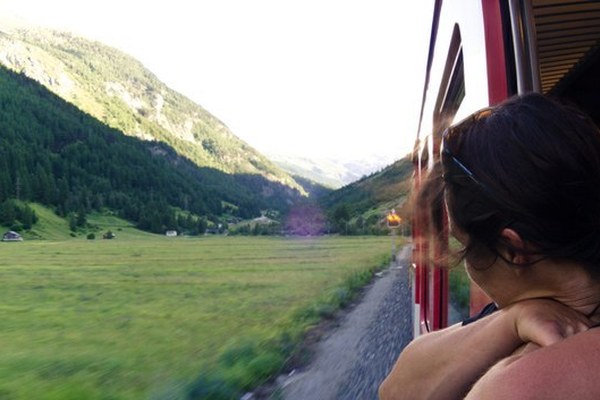
Having one ticket for all public transportation in the entire Alpine region – this is our vision. The Alpine Ticket (AlpTick) makes travelling in the Alps easier, more sustainable and more attractive for young people. It is an idea developed by the CIPRA Youth Council (CYC) based on its members’ experiences of travelling on public transport in the Alps.
CIPRA International | CIPRA Slovenija | CIPRA Deutschland | CIPRA Italia | CIPRA Schweiz | CIPRA France | CIPRA Youth Council
Re.sources
[Project completed] Water, soil, bees, ideas, motivation, time: the Alps contain a wide range of resources. A large part of the natural capital is under threat, while the social potential for more sustainable solutions still slumbers in many places. What are my resources and what are yours? Which ones are in danger and which ones are our lives dependent on? What resources does it take to make a change towards sustainable development in the Alps?