
Act now to protect forests: sign the #HandsOffNature petition!
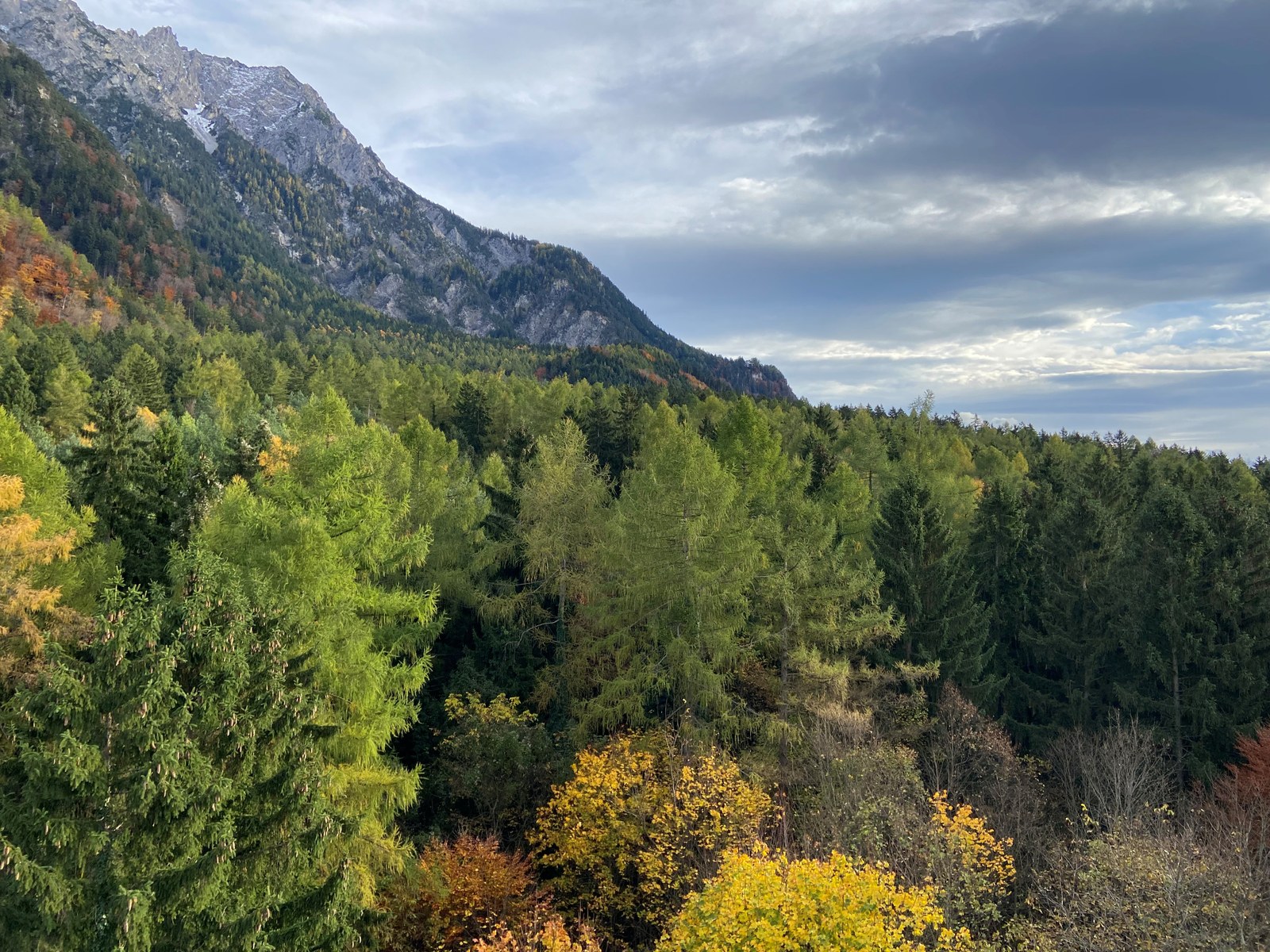
More than 40 percent of the Alpine region is covered by forests. They are not only a defining feature of the landscape, but also a cornerstone of Alpine livelihood, providing building materials, supporting biodiversity, and delivering essential ecosystem services.

Who is CIPRA?
Find out more!
More articles
alpMedia | Schaan, LI
Per Alpes - Discovering the Alps in 20 circular walks
Such is the title of the hiking guide that has just been published by the Permanent Secretariat of the Alpine Convention. It showcases and describes 20 selected trekking routes across the alpine arc, touching on all the alpine states that are part of the Alpine Convention. By presenting the Alps as a tourist destination that goes beyond the national borders of the individual countries this book contributes in its way towards implementing the Alpine Convention's protocol on tourism.
alpMedia | Schaan, LI
Innovation in mountain areas: European Mountain Convention
Innovation as the key driver for sustainable development in mountain areas: such is the theme of this year's European Mountain Convention, which is being held in Lillehammer, Norway, from 15th to 17th September. The conference will offer participants the opportunity to discuss sustainable development in their mountain regions and communities and to find out more about innovative projects in European mountain regions.
alpMedia | Schaan, LI
New publications for networking natural environments in the Alps
A great deal has been done and achieved in recent years to set up a pan-alpine ecological network. As part of its script series the German Federal Agency for Nature Conservation (BfN) has just published a report in English entitled Implementing a Pan-Alpine Ecological Network - A Compilation of Major Approaches, Tools and Activities. It comprises for the first time various documents, publications and reports supporting the implementation of an ecological network across the alpine arc. One chapter focuses on activities in the Carpathians. The publication can provide useful information to regions beyond the Alps, too.
alpMedia | Schaan, LI
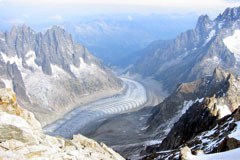
First transnational permafrost map of the Alps
The first standardised permafrost monitoring map of the Alpine Space is to be drawn up by researchers from Austria, Italy, Switzerland, France and Germany by 2011. The map will allow a better assessment of natural hazards and play an important role particularly for tourism and the growing infrastructure in the high-alpine region.
Events
|
Local Peaks, Global Learning | online | |
|
Transhumance as Intangible Cultural Heritage of Humanity: A Way Forward? | MUCEM, Marseille/France | |
|
Growing alternative crops for new market opportunities in a changing climate | Vienna/Austria | |
|
Trento Film Festival | Santa Croce street, 67; I-38122 Trento | |
|
ForumAlpinum 2026 | Aosta |
Projects
Responsible management of mountain water resources
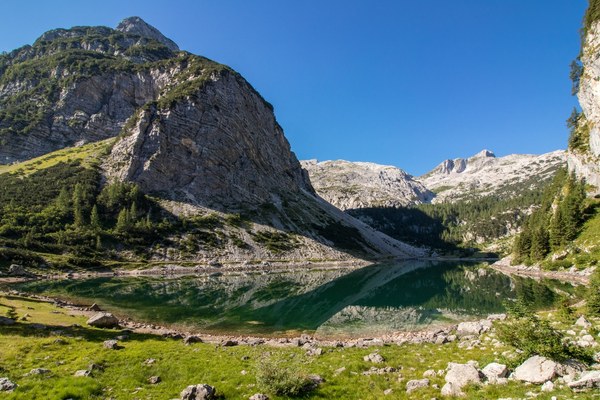
Mountain regions constitute a unique yet fragile natural environment that provides habitat for numerous rare and endemic species. Their biodiversity is rich, yet highly vulnerable. These areas host a variety of aquatic ecosystems—rivers, streams, lakes, wetlands and peat bogs — which have very limited self-purification capacity and are extremely sensitive to change. Their condition is directly affected by climate change and human activities.
CIPRA International
Alpine Changemaker Network
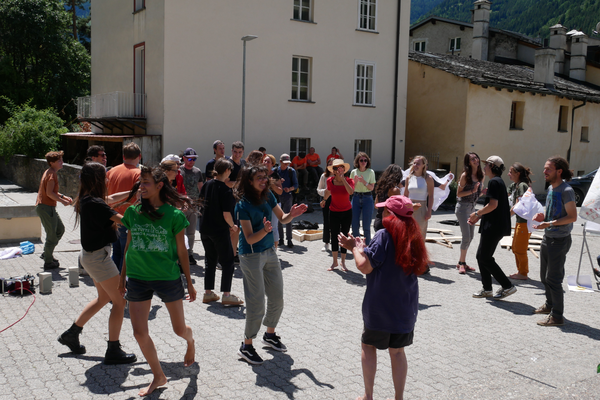
How can we advance eco-social transformation in the Alpine region? The Alpine Changemaker Network project combines Alpine traditions, as reflected in contemporary art, culture and design, with current approaches to overcoming global crises.
Heating of buildings and air quality 2.0
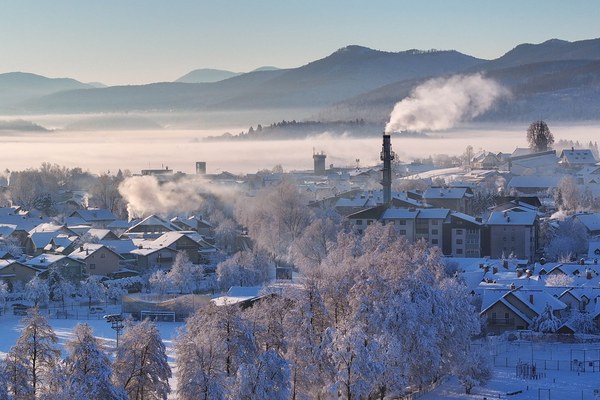
The project represents a continuation of efforts to reduce air pollution resulting from improper combustion in individual furnaces. Particular attention is paid to the use of outdated wood biomass combustion devices, which contribute significantly to emissions of particles that are harmful to health.