
Act now to protect forests: sign the #HandsOffNature petition!
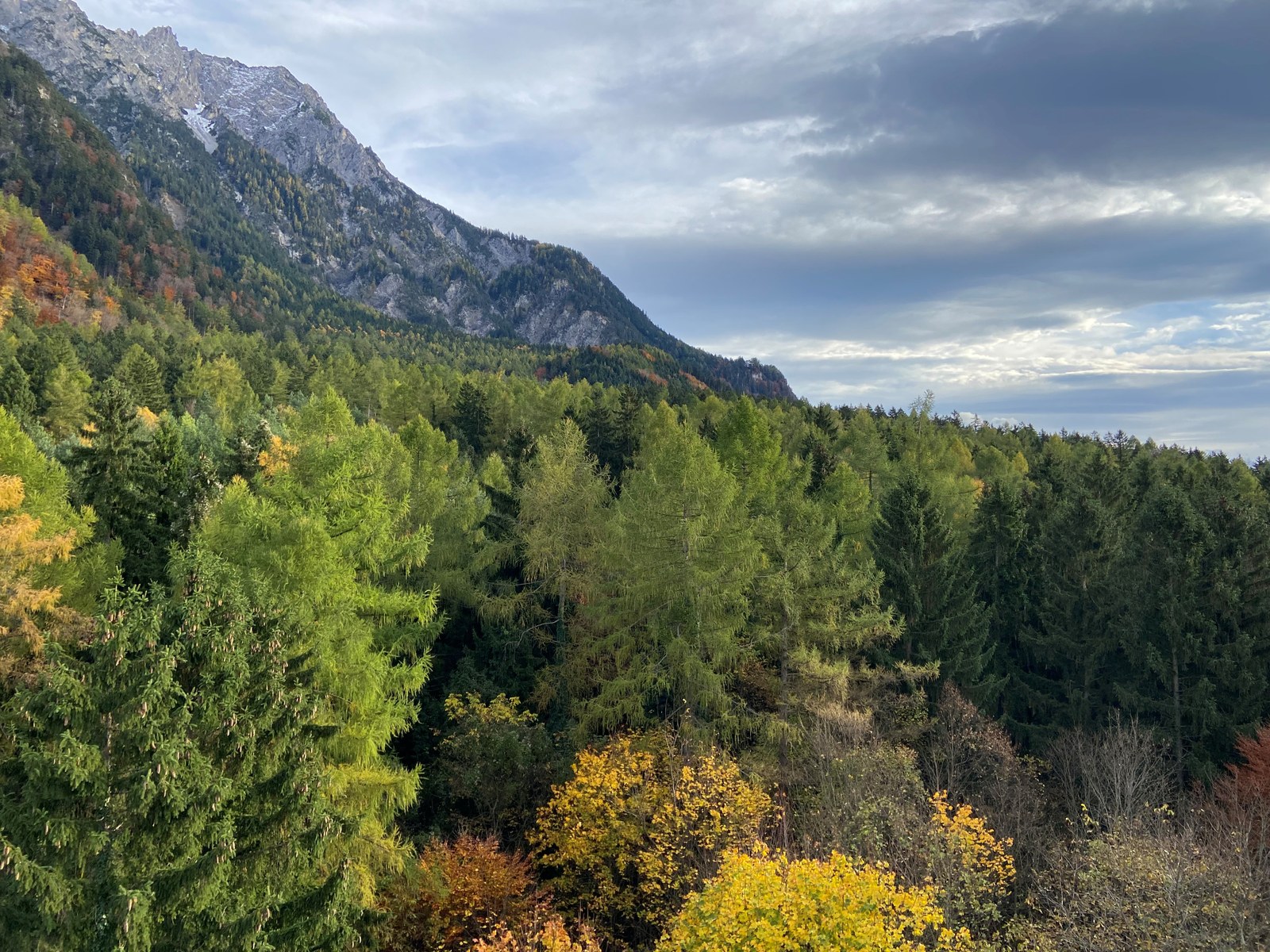
More than 40 percent of the Alpine region is covered by forests. They are not only a defining feature of the landscape, but also a cornerstone of Alpine livelihood, providing building materials, supporting biodiversity, and delivering essential ecosystem services.

Who is CIPRA?
Find out more!
More articles
alpMedia | Schaan, LI
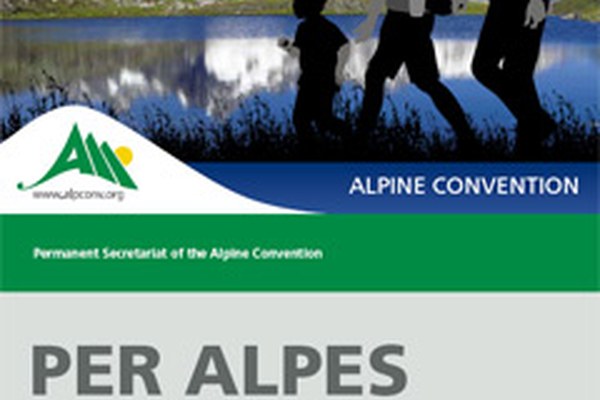
Per Alpes - Discovering the Alps in 20 circular walks
Such is the title of the hiking guide that has just been published by the Permanent Secretariat of the Alpine Convention. It showcases and describes 20 selected trekking routes across the alpine arc, touching on all the alpine states that are part of the Alpine Convention. By presenting the Alps as a tourist destination that goes beyond the national borders of the individual countries this book contributes in its way towards implementing the Alpine Convention's protocol on tourism.
alpMedia | Schaan, LI
Innovation in mountain areas: European Mountain Convention
Innovation as the key driver for sustainable development in mountain areas: such is the theme of this year's European Mountain Convention, which is being held in Lillehammer, Norway, from 15th to 17th September. The conference will offer participants the opportunity to discuss sustainable development in their mountain regions and communities and to find out more about innovative projects in European mountain regions.
alpMedia | Schaan, LI
New publications for networking natural environments in the Alps
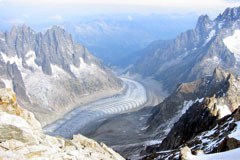
A great deal has been done and achieved in recent years to set up a pan-alpine ecological network. As part of its script series the German Federal Agency for Nature Conservation (BfN) has just published a report in English entitled Implementing a Pan-Alpine Ecological Network - A Compilation of Major Approaches, Tools and Activities. It comprises for the first time various documents, publications and reports supporting the implementation of an ecological network across the alpine arc. One chapter focuses on activities in the Carpathians. The publication can provide useful information to regions beyond the Alps, too.
alpMedia | Schaan, LI
First transnational permafrost map of the Alps
The first standardised permafrost monitoring map of the Alpine Space is to be drawn up by researchers from Austria, Italy, Switzerland, France and Germany by 2011. The map will allow a better assessment of natural hazards and play an important role particularly for tourism and the growing infrastructure in the high-alpine region.
Events
|
Webinar: The journey of water | online | |
|
XIV European Mountain Convention | Sallanches / France | |
|
Alps in Motion: new Alpine-wide Day of Action | alpswide | |
|
Symposium 2: Vernacular Buildings in the Anthropocene | Austrian Academy of Sciences, Vienna (Austria) |
Projects

CIPRA International Lab
PlurAlps
[Project completed] The Alpine area is experiencing the combined challenges of an ageing population and new migration models. At the same time, opportunities for social innovation and development arise from increasing cultural diversity and pluralism. Mountainous and peripheral Alpine municipalities and regions are specifically concerned and need technical support and new approaches to develop a welcoming culture, which should be credibly embraced and implemented by municipalities, SMEs and civil society.
CIPRA International
BeeAware!
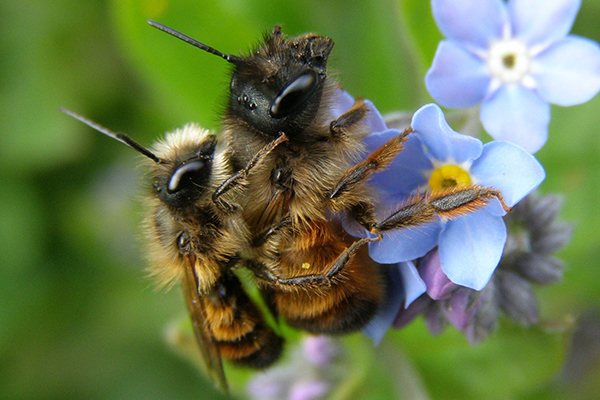
[Project completed] The aim of the project BeeAware! is to inspire communities in the Alps for bee protection and thus to improve the livelihoods of honey and wild bees. Bees are depending on an intact biodiversity. The different bee species need different plants, nesting and drinking places in order to survive. Integral bee protection therefore means securing, improving and enlarging the habitat of these important pollinators.

CIPRA International
GaYA
[Project completed] Governance and youth in the Alps - Young people tend to leave the Alpine space because they lack personal and professional fulfilment. Furthermore a majority of decision-makers remain unaware of the benefits a young active population brings to society.