
Act now to protect forests: sign the #HandsOffNature petition!
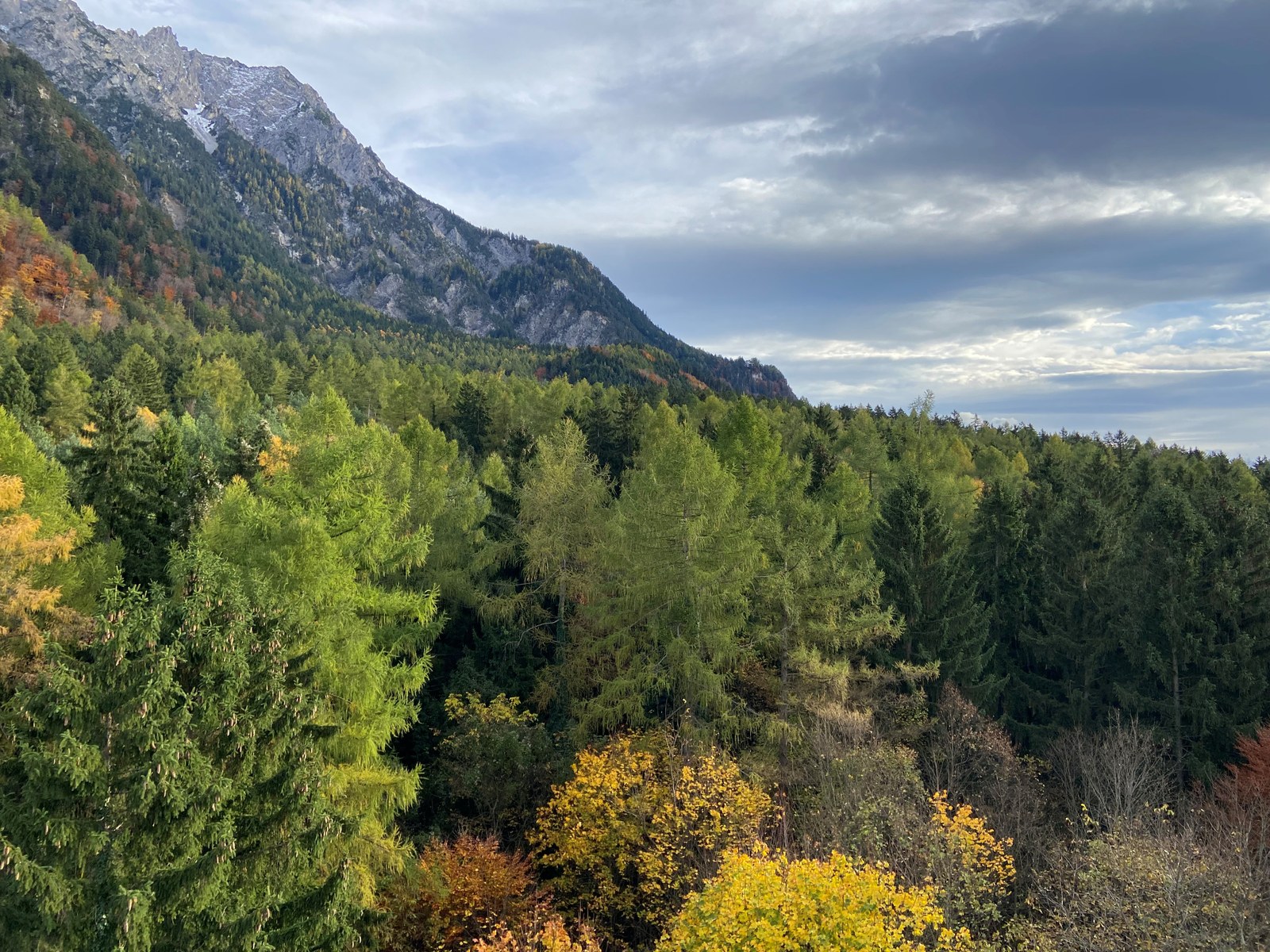
More than 40 percent of the Alpine region is covered by forests. They are not only a defining feature of the landscape, but also a cornerstone of Alpine livelihood, providing building materials, supporting biodiversity, and delivering essential ecosystem services.

Who is CIPRA?
Find out more!
More articles
Serena Rauzi | Povo (TN), IT
Fen felling
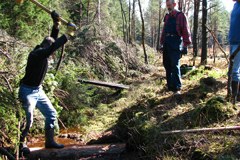
It‘s 7 am in early summer. A clack, clack sound drifts through the veil of mist hanging over the Ödmoos area of Bavaria. Work is already in full swing. You need to start early, as it gets very hot during the day. Stefan raises his axe and starts to hack away at the clumps of bushes. The 23-year-old is studying forestry science and works as a volunteer restoring the area‘s natural habitat. He has always had a keen interest in fens and bogs as diverse habitats, ever since he was a boy. And now he also knows that they make a valuable contribution to climate protection.
Claire Simon | CIPRA International | Schaan, LI
The chestnut forest plays host to a rare guest: Alliance in the Alps network of municipalities
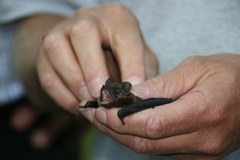
The little bat somehow looked different. Filigree in form, brownish in colour, and with a ringed wing it huddled in the corner of the nesting box on the chestnut tree. Nicola Zambelli put on his gloves and pulled gently on the wing tip to examine the ring.
Anita Wyss | Bern, CH
Discovering common ground
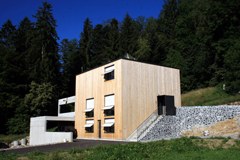
Liechtenstein is a small country, so you’re always bumping into people. And although everybody sort of knows everybody else, they don’t really. Energy-efficient construction is a bit like that. Or rather, it was until October 2009. It was then that CIPRA, which is better known for using its climalp project (see box) to circulate know-how on energy-efficient construction and renovation throughout the Alps, brought its own people together for a change.
Serena Rauzi | Povo (TN), IT
“Bolzano, the energy source”
ASSOCIATION “Alpine Town of the Year” - Bolzano’s municipal councillor Helmuth Moroder explains how the “2009 Alpine Town of the Year” intends to achieve ITS aim OF BEING carbon-neutral by 2030.
Events
|
Webinar: The journey of water | online | |
|
XIV European Mountain Convention | Sallanches / France | |
|
Alps in Motion: new Alpine-wide Day of Action | alpswide | |
|
Symposium 2: Vernacular Buildings in the Anthropocene | Austrian Academy of Sciences, Vienna (Austria) |
Projects
CIPRA International
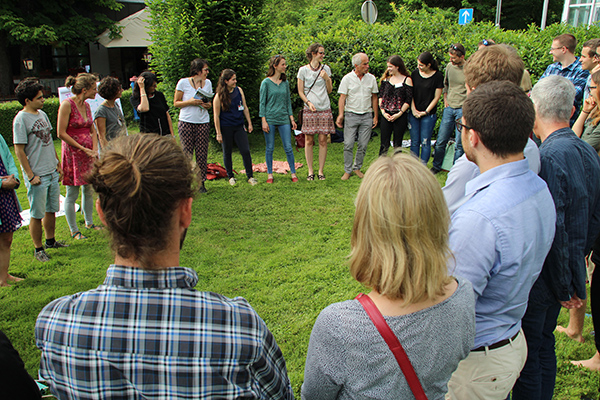
Living Labs
[Project completed] The project “Living Labs” brought together people of different ages from different Alpine countries to work together on process and know-how on selected topics. The project approach was participative and based on the principles of co-creation between young talents aged 18-30 years, environmental NGOs, civil society and politicians. The participants of this intergenerational project are committed to the sustainable development of the Alps at local, national and international level. For a desirable future it is important to set the right course today and to talk about how existing natural resources can be used sustainably.
CIPRA International | CIPRA Deutschland | CIPRA France | CIPRA Italia | CIPRA Slovenija
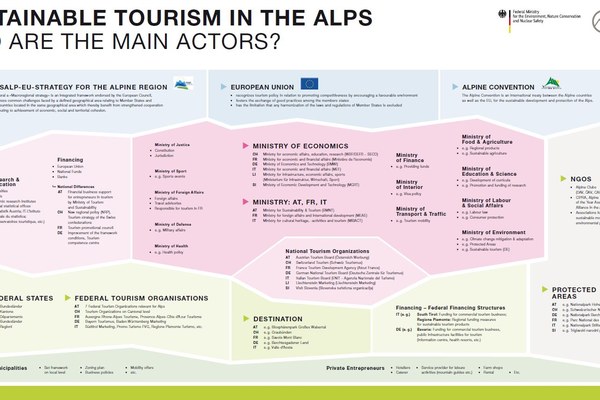
Sustainable Alpine Tourism
[Project completed] Sustainable tourism in the Alps is the only long-term alternative to conventional mass tourism in order to safeguard the habitat for nature and people. So far, however, there is a lack of jointly defined framework conditions on anational or alpine level for planning, promoting and implementing sustainable tourism.
CIPRA International
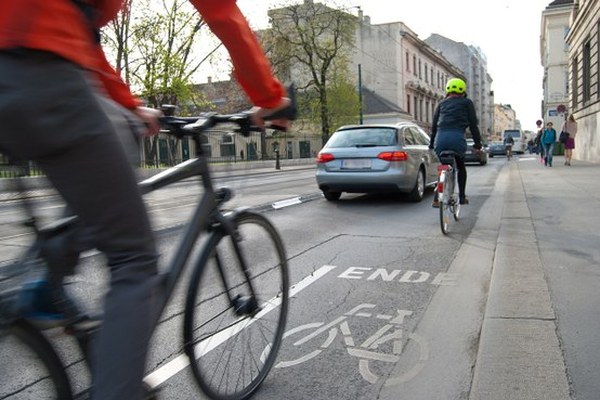
Cross-border mobility
[Project completed] Tens of thousands of commuters move across national borders every day in the Alpine region. Existing traffic routes, however, were mostly built with a purely national perspective and are not geared to cross-border commuter flows. The result is overloaded roads, noise and pollution for local residents.