
Act now to protect forests: sign the #HandsOffNature petition!
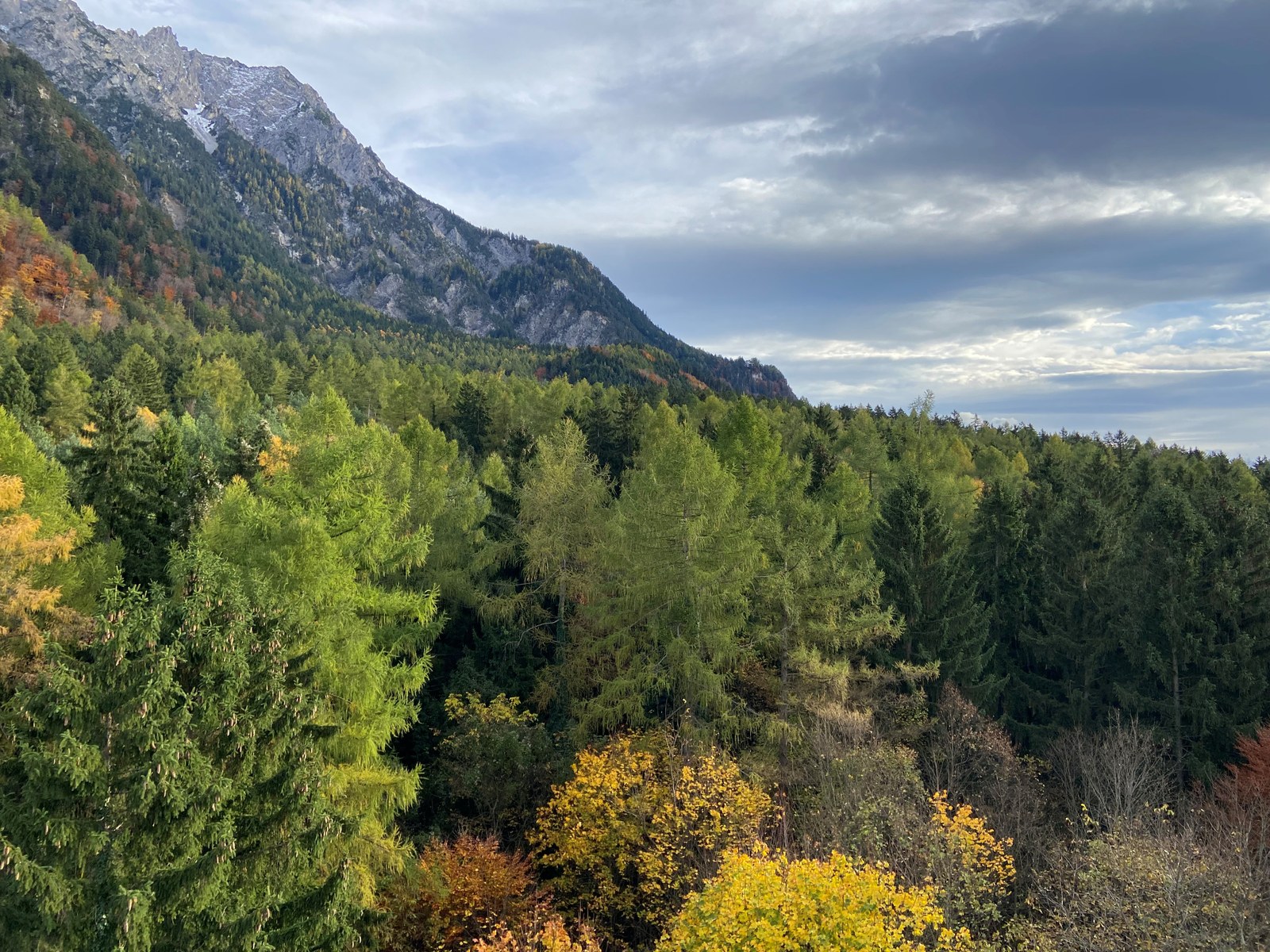
More than 40 percent of the Alpine region is covered by forests. They are not only a defining feature of the landscape, but also a cornerstone of Alpine livelihood, providing building materials, supporting biodiversity, and delivering essential ecosystem services.

Who is CIPRA?
Find out more!
More articles
Serena Rauzi | Povo (TN), IT
Fen felling
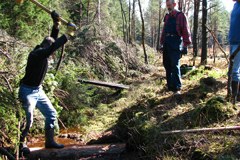
It‘s 7 am in early summer. A clack, clack sound drifts through the veil of mist hanging over the Ödmoos area of Bavaria. Work is already in full swing. You need to start early, as it gets very hot during the day. Stefan raises his axe and starts to hack away at the clumps of bushes. The 23-year-old is studying forestry science and works as a volunteer restoring the area‘s natural habitat. He has always had a keen interest in fens and bogs as diverse habitats, ever since he was a boy. And now he also knows that they make a valuable contribution to climate protection.
Claire Simon | CIPRA International | Schaan, LI
The chestnut forest plays host to a rare guest: Alliance in the Alps network of municipalities
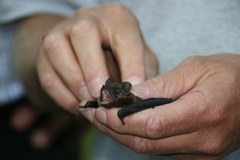
The little bat somehow looked different. Filigree in form, brownish in colour, and with a ringed wing it huddled in the corner of the nesting box on the chestnut tree. Nicola Zambelli put on his gloves and pulled gently on the wing tip to examine the ring.
Anita Wyss | Bern, CH
Discovering common ground
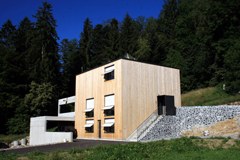
Liechtenstein is a small country, so you’re always bumping into people. And although everybody sort of knows everybody else, they don’t really. Energy-efficient construction is a bit like that. Or rather, it was until October 2009. It was then that CIPRA, which is better known for using its climalp project (see box) to circulate know-how on energy-efficient construction and renovation throughout the Alps, brought its own people together for a change.
Serena Rauzi | Povo (TN), IT
“Bolzano, the energy source”
ASSOCIATION “Alpine Town of the Year” - Bolzano’s municipal councillor Helmuth Moroder explains how the “2009 Alpine Town of the Year” intends to achieve ITS aim OF BEING carbon-neutral by 2030.
Events
|
Webinar: The journey of water | online | |
|
XIV European Mountain Convention | Sallanches / France | |
|
Alps in Motion: new Alpine-wide Day of Action | alpswide | |
|
Symposium 2: Vernacular Buildings in the Anthropocene | Austrian Academy of Sciences, Vienna (Austria) |
Projects

CIPRA International Lab
PlurAlps
[Project completed] The Alpine area is experiencing the combined challenges of an ageing population and new migration models. At the same time, opportunities for social innovation and development arise from increasing cultural diversity and pluralism. Mountainous and peripheral Alpine municipalities and regions are specifically concerned and need technical support and new approaches to develop a welcoming culture, which should be credibly embraced and implemented by municipalities, SMEs and civil society.
CIPRA International
BeeAware!
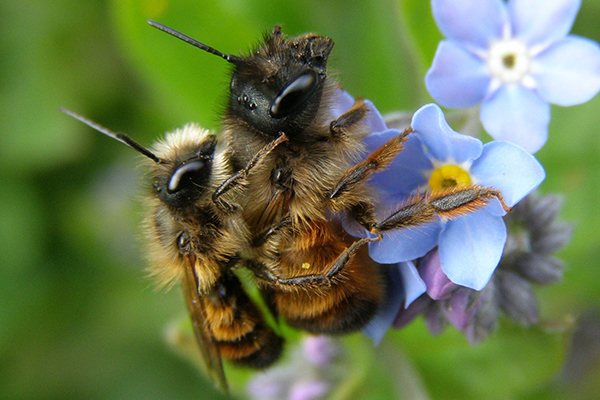
[Project completed] The aim of the project BeeAware! is to inspire communities in the Alps for bee protection and thus to improve the livelihoods of honey and wild bees. Bees are depending on an intact biodiversity. The different bee species need different plants, nesting and drinking places in order to survive. Integral bee protection therefore means securing, improving and enlarging the habitat of these important pollinators.
CIPRA International
GaYA
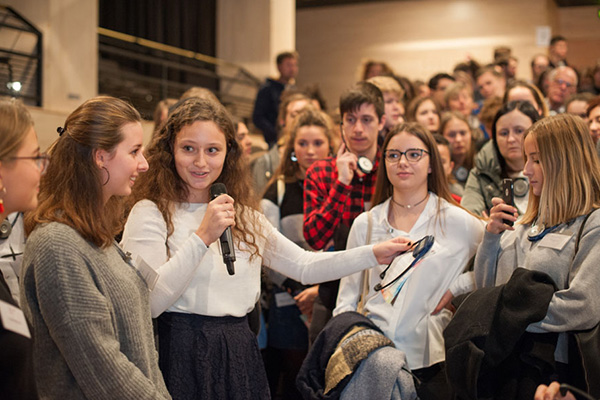
[Project completed] Governance and youth in the Alps - Young people tend to leave the Alpine space because they lack personal and professional fulfilment. Furthermore a majority of decision-makers remain unaware of the benefits a young active population brings to society.