
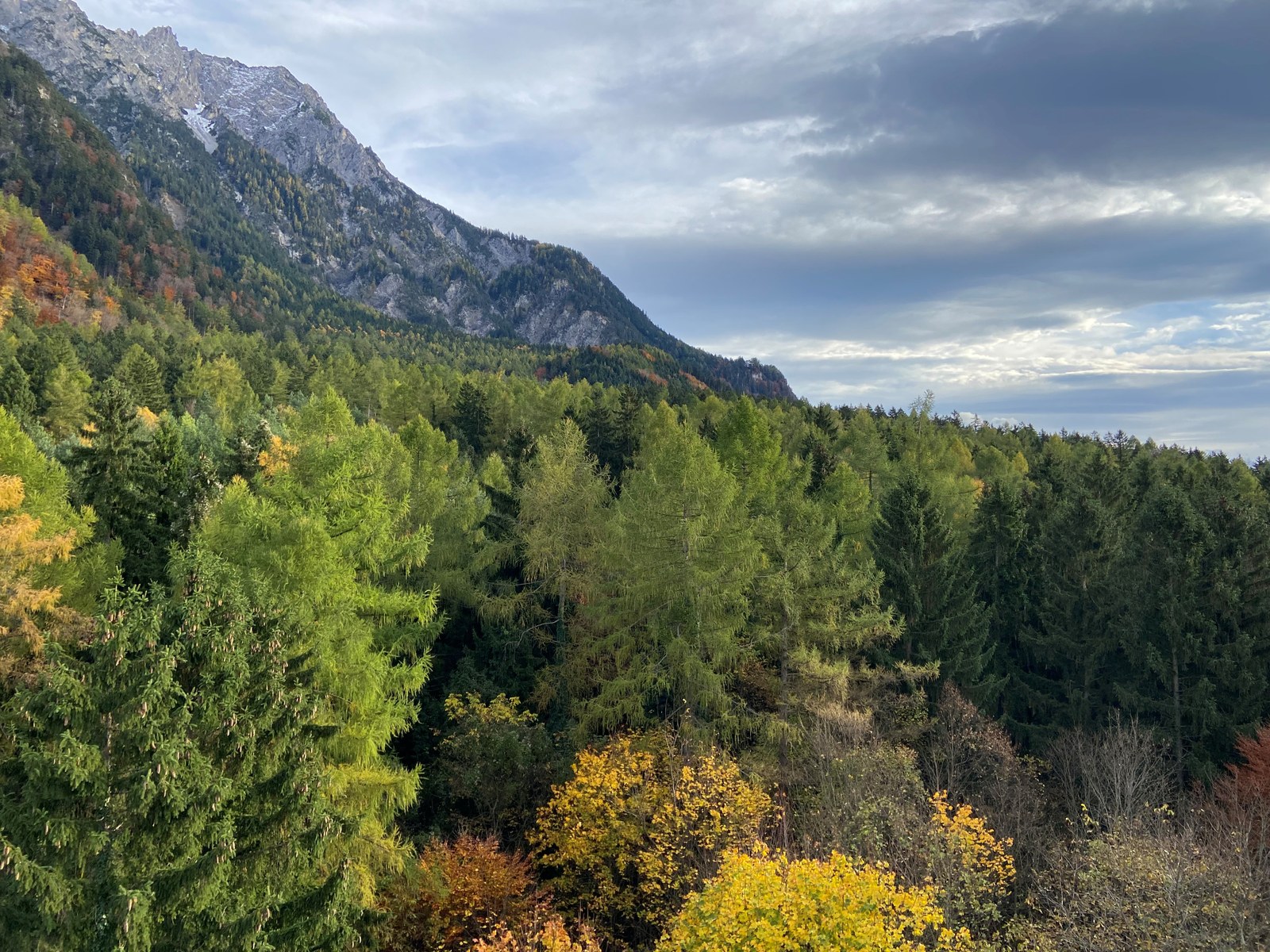
Act now to protect forests: sign the #HandsOffNature petition!
More than 40 percent of the Alpine region is covered by forests. They are not only a defining feature of the landscape, but also a cornerstone of Alpine livelihood, providing building materials, supporting biodiversity, and delivering essential ecosystem services.

Who is CIPRA?
Find out more!
More articles
alpMedia | Schaan, LI
Leisure: car-free mobility
Leisure activities that do not involve the use of cars are now "in", as the increasing number of information packs clearly shows. The Alpine Club South Tyrol (AVS) for instance recently published five new brochures, each featuring 15 to 20 hiking routes whose starting and finishing points can all be reached by public transport. In the series Hiking Without Cars the Alpine Club has compiled a total of some 300 hiking tips for the whole of South Tyrol. As the AVS remarks in a press release, "It should be a priority for tourist regions to adopt measures that promote the use of public transport for travel both to and from destinations as well as for activities at the holiday destination itself".

alpMedia | Schaan, LI
The "brain drain": an opportunity for the Alps?
Highly qualified people are also leaving alpine regions to move to other regions or countries. But according to a study by the Arbeitsgemeinschaft Alpenländer (ARGE ALPE) Working Group the Alps can put this brain drain to a positive use. Indeed these brilliant minds are also multipliers and image carriers for their homeland around the globe, a fact that should be capitalised on.
alpMedia | Schaan, LI
International projects on the impact of climate change in mountain regions
The results of the CIRCLE MOUNTAIN Call are now available. The financing of four translational projects has been approved. The projects are to run for a period of two years and have a volume of approximatively EUR 300'000 each. The four funded projects are ARNICA, EURAS-CLIMPACT, ChangingRISKS and CAMELEON.
Dear colleagues,
One of the main challenges in the process of implementing the Alpine ecological network is involving all the relevant stakeholders. The Ecological Continuum Initiative supports this goal in different ways. On the one hand with printed information material (fact sheets and the brochure), on the other hand by organizing meetings that offer a chance for personal interactions and exchange among stakeholders. Such a workshop on stakeholder integration took place in Dobbiaco/I this April.
Events
|
Local Peaks, Global Learning | online | |
|
Transhumance as Intangible Cultural Heritage of Humanity: A Way Forward? | MUCEM, Marseille/France | |
|
Growing alternative crops for new market opportunities in a changing climate | Vienna/Austria | |
|
Trento Film Festival | Santa Croce street, 67; I-38122 Trento | |
|
ForumAlpinum 2026 | Aosta |
Projects
Responsible management of mountain water resources
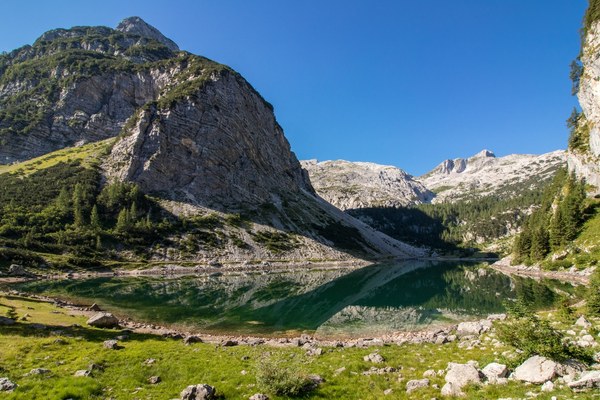
Mountain regions constitute a unique yet fragile natural environment that provides habitat for numerous rare and endemic species. Their biodiversity is rich, yet highly vulnerable. These areas host a variety of aquatic ecosystems—rivers, streams, lakes, wetlands and peat bogs — which have very limited self-purification capacity and are extremely sensitive to change. Their condition is directly affected by climate change and human activities.
CIPRA International
Alpine Changemaker Network
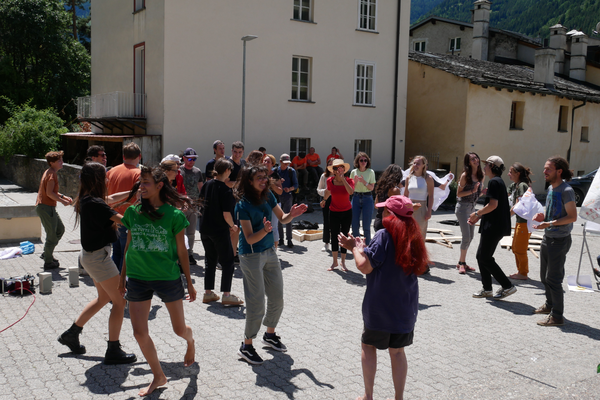
How can we advance eco-social transformation in the Alpine region? The Alpine Changemaker Network project combines Alpine traditions, as reflected in contemporary art, culture and design, with current approaches to overcoming global crises.
Heating of buildings and air quality 2.0
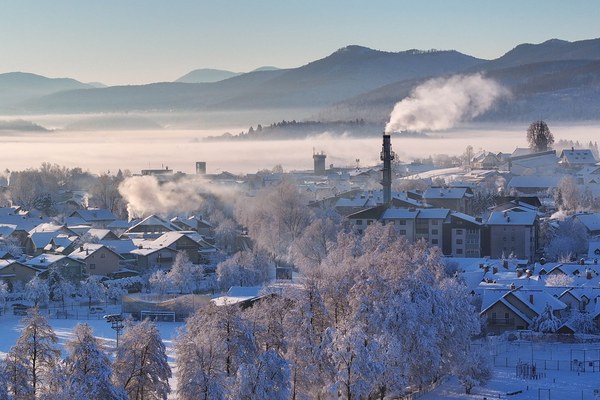
The project represents a continuation of efforts to reduce air pollution resulting from improper combustion in individual furnaces. Particular attention is paid to the use of outdated wood biomass combustion devices, which contribute significantly to emissions of particles that are harmful to health.