
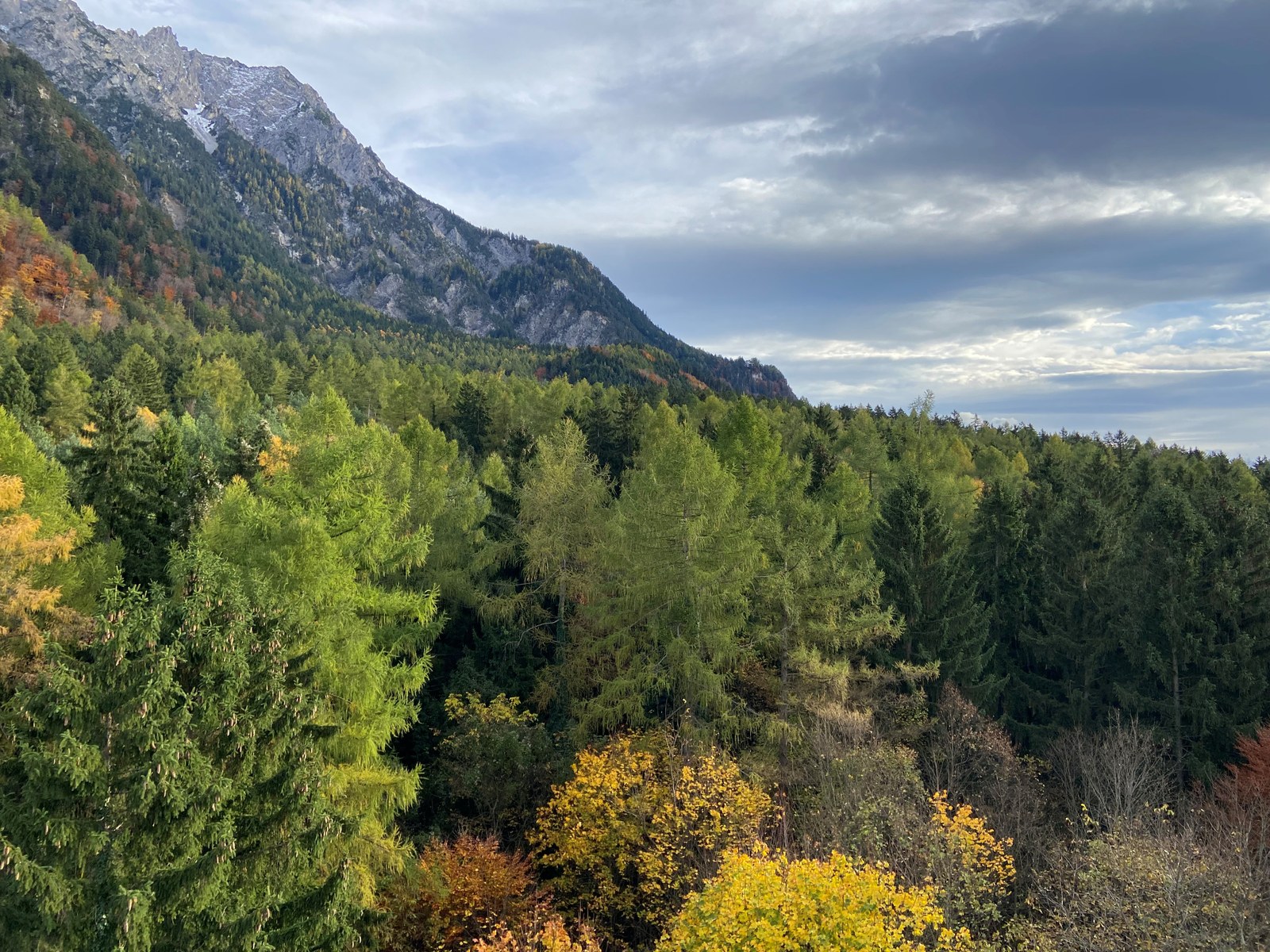
Act now to protect forests: sign the #HandsOffNature petition!
More than 40 percent of the Alpine region is covered by forests. They are not only a defining feature of the landscape, but also a cornerstone of Alpine livelihood, providing building materials, supporting biodiversity, and delivering essential ecosystem services.

Who is CIPRA?
Find out more!
More articles
News from TransEcoNet - transnational ecological networks in Central Europe
Similar as ECONNECT, the Platform Ecological Network and the Ecological Continuum Initiative in the Alps, in Central Europe the TransEcoNet project strives for a better connection of protected and less or unprotected landscapes across national borders. One major goal of the project is to reveal local people's perception and relation to their surrounding landscape in form of a survey of oral history. This is being carried out in the form of interviews in selected project regions.
5th meeting of the Ecological Network Platform
The 5th official meeting of the Ecological Network Platform of the Alpine Convention was held in Dobbiaco/Toblach (I) on 21 April 2010. The main topic at the meeting was progress made to date in nominating a number of pioneering Alpine regions as Pilot Regions of the Alpine Convention. It is hoped that the first regions will receive official recognition at the next Alpine Conference to be held in March 2011.
Think tank workshop Dobbiaco/Toblach: Elaborating recommendations for stakeholder integration
Local connectivity projects can only be implemented if stakeholders are integrated into these activities. Potential difficulties and supportive tools were in the centre of an exchange of experiences between representatives of the ECONNECT pilot areas and other stakeholders carrying out connectivity activities. The discussions were facilitated by the Ecological Continuum Initiative in the frame of a workshop.
Communicating ecological connectivity to stakeholders made easy
What significance do water management, tourism and agriculture have for ecological networks? Can measures in the transport sector have a positive effect for ecological corridors? How shall I design my garden to be a habitat for domestic plants and animals? These questions are answered by a series of eleven fact sheets provided by the Ecological Continuum Initiative.
Events
|
Local Peaks, Global Learning | online | |
|
Transhumance as Intangible Cultural Heritage of Humanity: A Way Forward? | MUCEM, Marseille/France | |
|
Growing alternative crops for new market opportunities in a changing climate | Vienna/Austria | |
|
Trento Film Festival | Santa Croce street, 67; I-38122 Trento | |
|
ForumAlpinum 2026 | Aosta |
Projects
CIPRA International
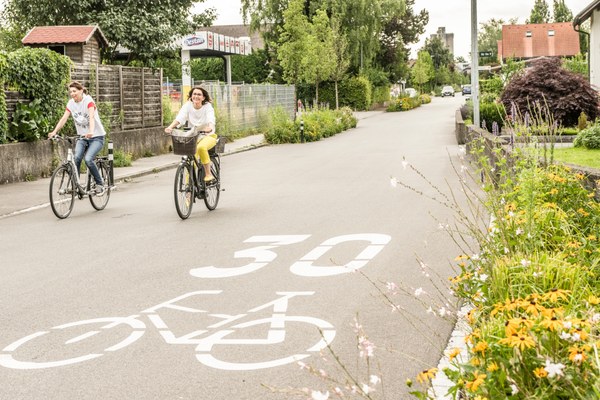
Climate-friendly streetscapes
Whether travelling by car, public transport, bicycle or on foot, roads and their immediate surroundings are probably the most important part of our daily journeys. Against the backdrop of the climate crisis, they can become a problem because they increase the heat island effect and seal the ground. The project, based in the Alpine Rhine Valley, aims to make road spaces fair, climate-friendly and health-promoting.
CIPRA International
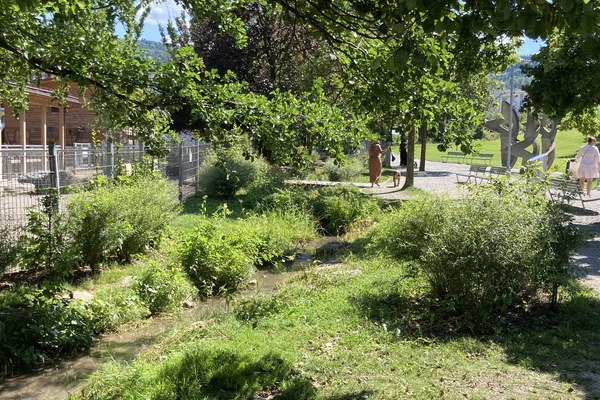
Nature-based solutions and their governance structures in the Alpine region
In view of the global challenges of climate change and biodiversity loss, the use of nature-based solutions (NbS) is becoming increasingly important. On behalf of the German Federal Environment Agency, ifuplan (lead) and CIPRA International are preparing a report on “Nature-based solutions and governance structures in the Alpine region”. The aim of the report is to analyse the potential of various NbS in the Alpine region and the governance mechanisms behind them that ensure their success. Based on this, their transferability to other Alpine regions will be analysed and recommendations for action formulated.
CIPRA International
Ars vivendi
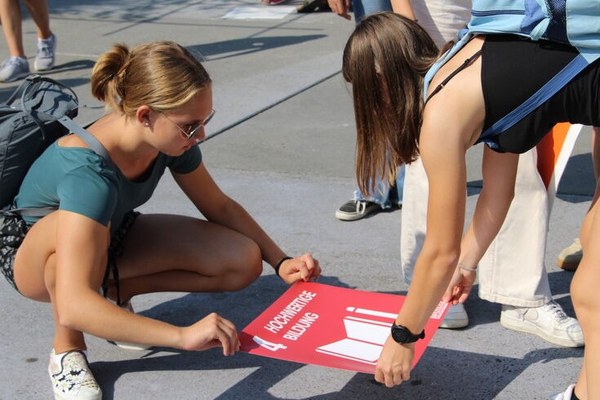
[Project completed] How can the Sustainable Development Goals (SDGs) be learned and taught? In the project «ars vivendi» a didactic tool for the Global Agenda 2030 is being developed.