
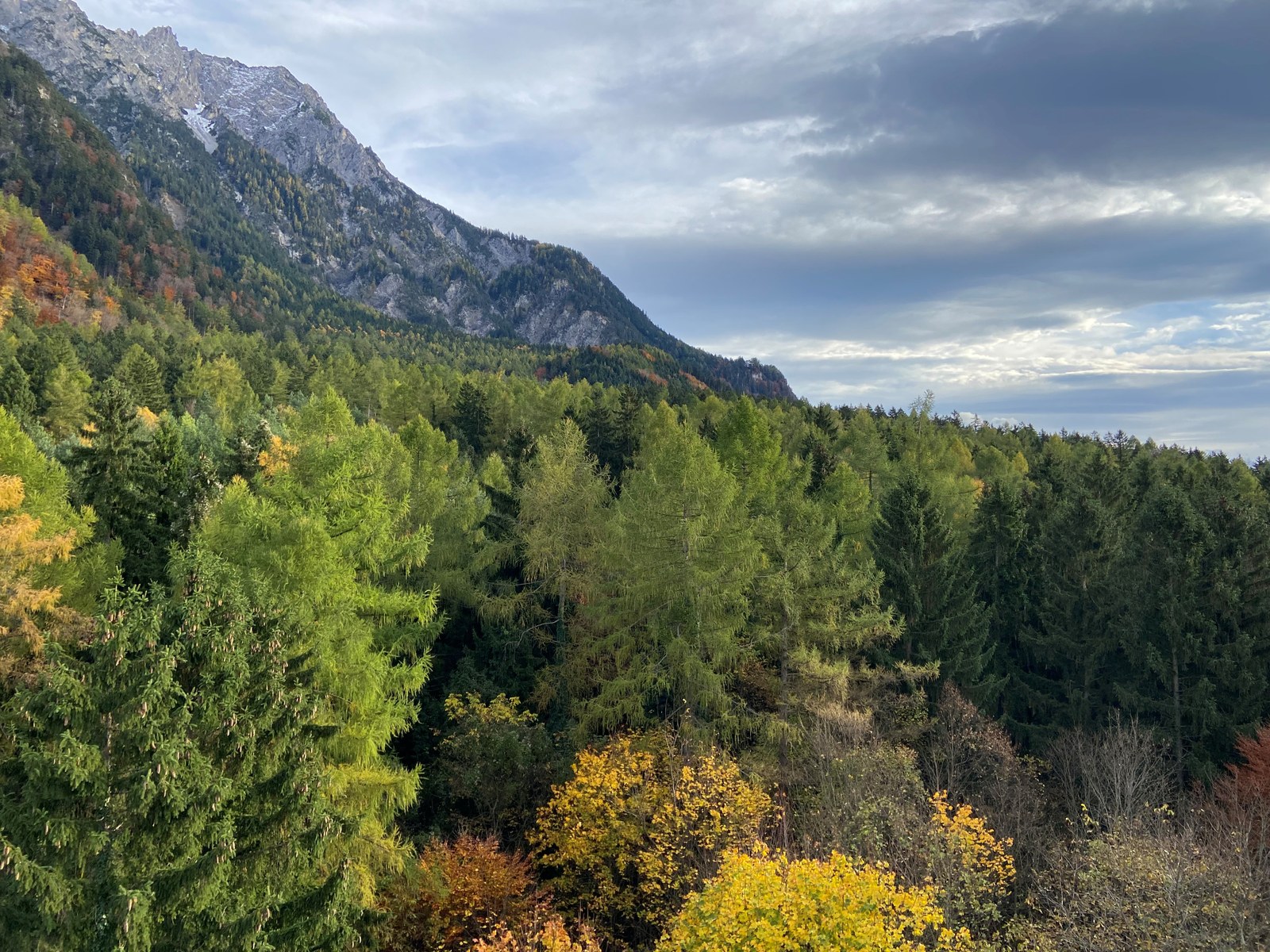
Act now to protect forests: sign the #HandsOffNature petition!
More than 40 percent of the Alpine region is covered by forests. They are not only a defining feature of the landscape, but also a cornerstone of Alpine livelihood, providing building materials, supporting biodiversity, and delivering essential ecosystem services.

Who is CIPRA?
Find out more!
More articles
News from TransEcoNet - transnational ecological networks in Central Europe
Similar as ECONNECT, the Platform Ecological Network and the Ecological Continuum Initiative in the Alps, in Central Europe the TransEcoNet project strives for a better connection of protected and less or unprotected landscapes across national borders. One major goal of the project is to reveal local people's perception and relation to their surrounding landscape in form of a survey of oral history. This is being carried out in the form of interviews in selected project regions.
5th meeting of the Ecological Network Platform
The 5th official meeting of the Ecological Network Platform of the Alpine Convention was held in Dobbiaco/Toblach (I) on 21 April 2010. The main topic at the meeting was progress made to date in nominating a number of pioneering Alpine regions as Pilot Regions of the Alpine Convention. It is hoped that the first regions will receive official recognition at the next Alpine Conference to be held in March 2011.
Think tank workshop Dobbiaco/Toblach: Elaborating recommendations for stakeholder integration
Local connectivity projects can only be implemented if stakeholders are integrated into these activities. Potential difficulties and supportive tools were in the centre of an exchange of experiences between representatives of the ECONNECT pilot areas and other stakeholders carrying out connectivity activities. The discussions were facilitated by the Ecological Continuum Initiative in the frame of a workshop.
Communicating ecological connectivity to stakeholders made easy
What significance do water management, tourism and agriculture have for ecological networks? Can measures in the transport sector have a positive effect for ecological corridors? How shall I design my garden to be a habitat for domestic plants and animals? These questions are answered by a series of eleven fact sheets provided by the Ecological Continuum Initiative.
Events
|
Webinar: The journey of water | online | |
|
XIV European Mountain Convention | Sallanches / France | |
|
Alps in Motion: new Alpine-wide Day of Action | alpswide | |
|
Symposium 2: Vernacular Buildings in the Anthropocene | Austrian Academy of Sciences, Vienna (Austria) |
Projects
CIPRA International
Alps2030
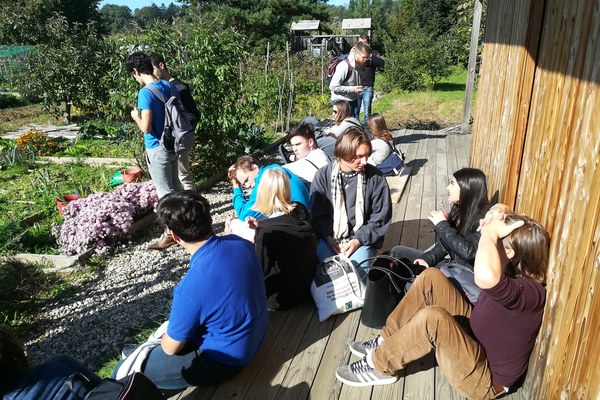
[Project completed] Climate change, increasing consumption of resources and waste problems threaten nature and society in the Alps. With their 17 Sustainable Development Goals (SDGs), almost all countries worldwide have set themselves the target of making global development socially, ecologically and economically sustainable by 2030.
CIPRA International | CIPRA Youth Council
AlpTick
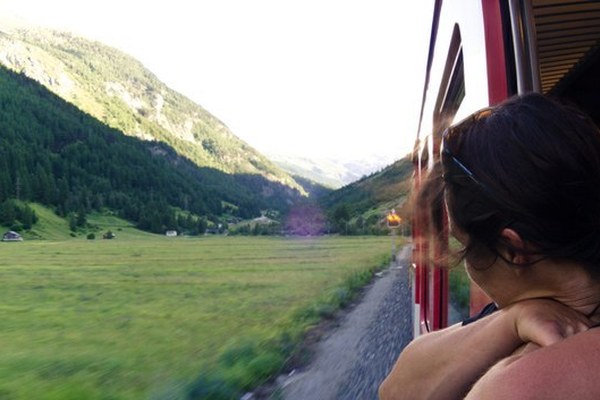
Having one ticket for all public transportation in the entire Alpine region – this is our vision. The Alpine Ticket (AlpTick) makes travelling in the Alps easier, more sustainable and more attractive for young people. It is an idea developed by the CIPRA Youth Council (CYC) based on its members’ experiences of travelling on public transport in the Alps.
CIPRA International | CIPRA Slovenija | CIPRA Deutschland | CIPRA Italia | CIPRA Schweiz | CIPRA France | CIPRA Youth Council
Re.sources
[Project completed] Water, soil, bees, ideas, motivation, time: the Alps contain a wide range of resources. A large part of the natural capital is under threat, while the social potential for more sustainable solutions still slumbers in many places. What are my resources and what are yours? Which ones are in danger and which ones are our lives dependent on? What resources does it take to make a change towards sustainable development in the Alps?