
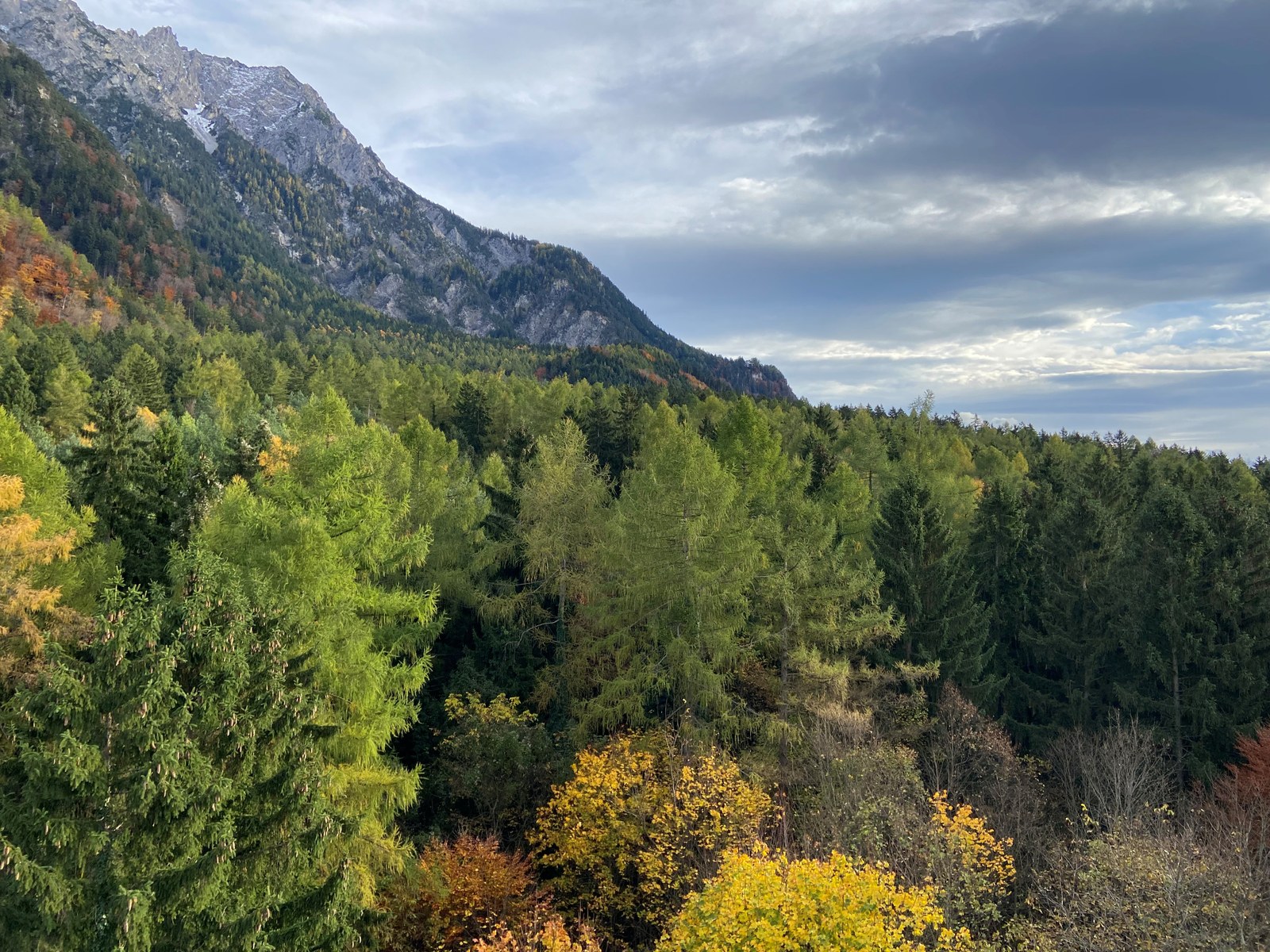
Act now to protect forests: sign the #HandsOffNature petition!
More than 40 percent of the Alpine region is covered by forests. They are not only a defining feature of the landscape, but also a cornerstone of Alpine livelihood, providing building materials, supporting biodiversity, and delivering essential ecosystem services.

Who is CIPRA?
Find out more!
More articles
alpMedia | Schaan, LI
Kick-off for a new alpine media house
The "Las-Alps Infoteca" project was launched at the end of April in Chur/CH. In the coming five years, a competence centre will be established for media products that are relevant to the Alps. The project will be realized in two phases: in the first phase the focus will be on the provision of media products, in the second the centre will also produce and market its own products.
alpMedia | Schaan, LI
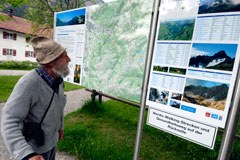
New web page with information on visitor centres throughout the Alps
A new page has recently been added to the web site of alparc - the network of protected areas in the Alps - for those who want an overview of the many visitor centres in the Alps.
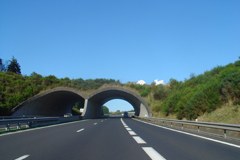
Linking-up the German roads for animals and for a better traffic safety
The German Government is developing a National Connectivity Programme which foresees to build wild animal crossings at the most important sites of migrating corridors. This year the first systematic research on ecological corridors in Germany has been finished, representing an important scientific groundwork for the implementation of the Programme.
alpMedia | Schaan, LI
Towards happy shrinking
Always more - the world will become better and better as long as material well-being grows. Nobody asks what this costs…until the system collapses. The present financial and economic crisis is giving us a taste of it. The Alps are now among the losers, but could be among the winners if they rise to the challenge. Must growth in principle be rejected?
Events
|
Local Peaks, Global Learning | online | |
|
Transhumance as Intangible Cultural Heritage of Humanity: A Way Forward? | MUCEM, Marseille/France | |
|
Growing alternative crops for new market opportunities in a changing climate | Vienna/Austria | |
|
Trento Film Festival | Santa Croce street, 67; I-38122 Trento | |
|
ForumAlpinum 2026 | Aosta |
Projects
Caretaker Tourism
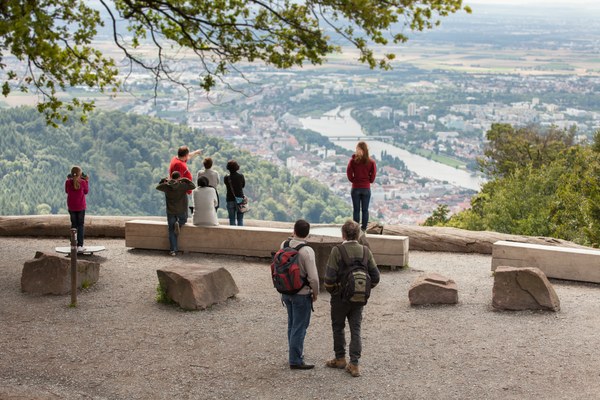
The Alpine Climate Board (ACB) is a body of the Alpine Convention that is committed to climate-neutral and climate-resilient Alps by 2050, with the “Tourism” pathway also in this sector. Within the framework of “Caretaker Tourism”, certain organizations and individuals assume responsibility for developing climate-friendly and sustainable tourism strategies.

CIPRA International Lab
OUT4INGOV: Shaping youth migration
The emigration of young people poses major challenges for many Alpine regions. The OUT4INGOV project is working with local organisations to develop innovative approaches to better manage youth migration and raise awareness of the issue in society.
CIPRA France
GOVQoL – Empowering Alpine communities to improve their quality of life
Alpine communities’ quality of life (QoL) is currently facing several challenges such as the depopulation of remote areas, reduced provision of services of general interest, the impacts of climate change, and mistrust of governance. These issues are not only reshaping the Alpine territories but also impacting the daily lives of its inhabitants. Despite the urgent need for responsive and inclusive governance, there is currently a significant gap in understanding and addressing QoL at the local level which our project aims to address.