
Act now to protect forests: sign the #HandsOffNature petition!
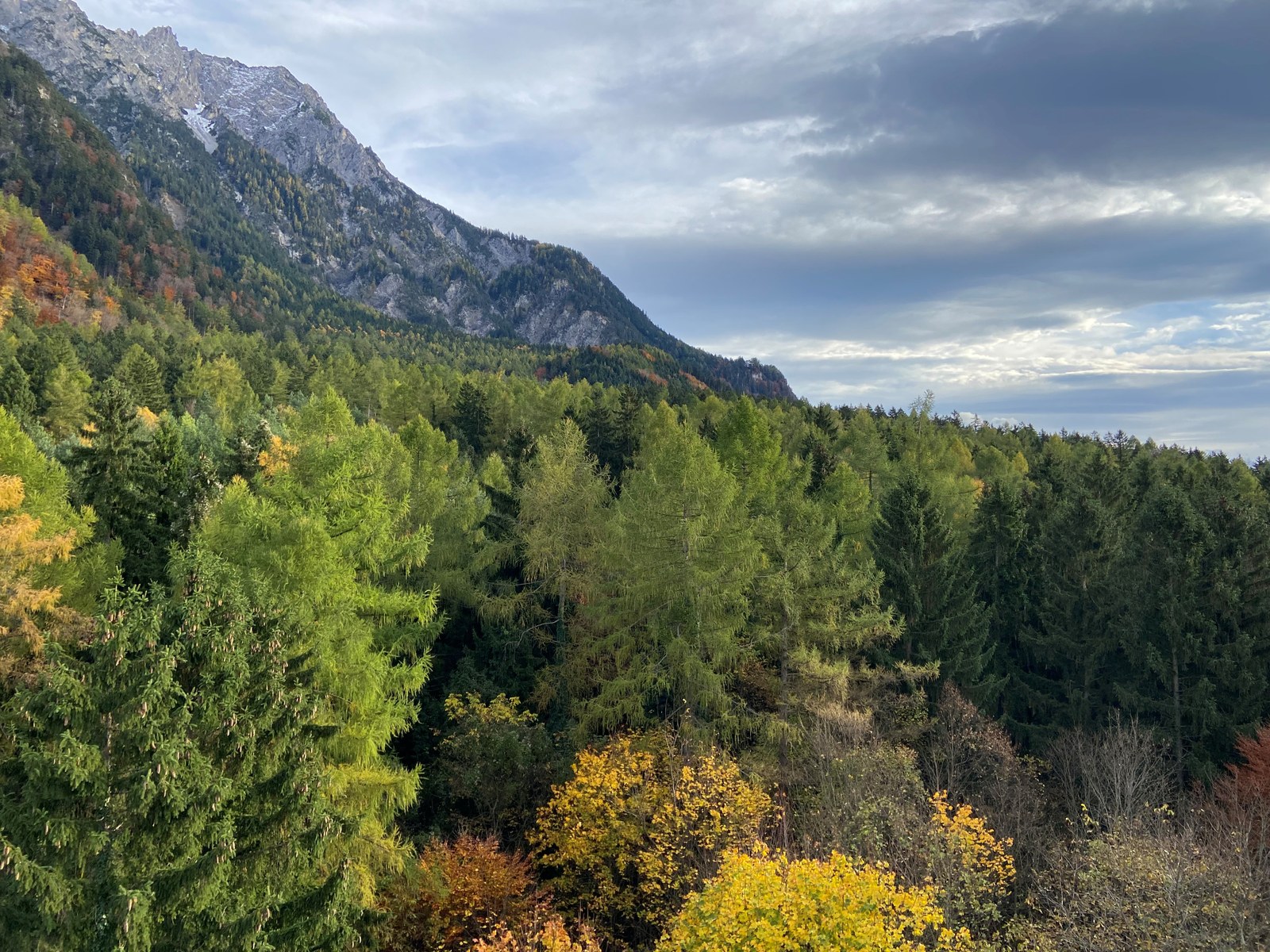
More than 40 percent of the Alpine region is covered by forests. They are not only a defining feature of the landscape, but also a cornerstone of Alpine livelihood, providing building materials, supporting biodiversity, and delivering essential ecosystem services.

Who is CIPRA?
Find out more!
More articles
CIPRA Internationale Alpenschutzkommission | Schaan, LI
Alpine riverine landscapes: connectivity, barriers and fragmentation
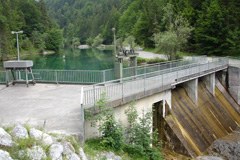
How strongly is a river landscape fragmented? What are the most important barriers and obstacles in Alpine rivers? These questions are in the focus of the Institute of Ecology from University of Innsbruck within its ECONNECT activities. The results will be visualized with the help of GIS and contacts to regional watershed authorities established for the reduction of barrier impacts and restoration.

CIPRA Internationale Alpenschutzkommission | Schaan, LI
Ecological Connectivity and the Law: from barriers to instruments
Entering the second year of the ECONNECT project, the activities on legal barriers (Work Package 6) are steadily progressing. The two major fields of action are at the moment a comparative analysis of the legal frameworks of ecological connectivity in the Alps and the analysis of the legal situation in the pilot regions.
CIPRA Internationale Alpenschutzkommission | Schaan, LI
Understandable and visualised ECONNECT website
The ECONNECT website www.econnectproject.eu has recently been translated into the four project languages (French, German, Italian and Slovenian) and will soon be updated with maps.
CIPRA Internationale Alpenschutzkommission | Schaan, LI
Berchtesgaden - Salzburg: Improving the ecological network of extensive grasslands
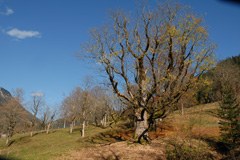
Extensively cultivated grasslands are important landscape elements for ecological connectivity in the pilot region Berchtesgaden - Salzburg. Improving these habitats will help to safeguard species such as butterflies, dragonflies or grasshoppers. This is one of the tasks of the subprojects within ECONNECT which are currently being finalised.
Events
|
Local Peaks, Global Learning | online | |
|
Transhumance as Intangible Cultural Heritage of Humanity: A Way Forward? | MUCEM, Marseille/France | |
|
Growing alternative crops for new market opportunities in a changing climate | Vienna/Austria | |
|
Trento Film Festival | Santa Croce street, 67; I-38122 Trento | |
|
ForumAlpinum 2026 | Aosta |
Projects

CIPRA International Lab
PlurAlps
[Project completed] The Alpine area is experiencing the combined challenges of an ageing population and new migration models. At the same time, opportunities for social innovation and development arise from increasing cultural diversity and pluralism. Mountainous and peripheral Alpine municipalities and regions are specifically concerned and need technical support and new approaches to develop a welcoming culture, which should be credibly embraced and implemented by municipalities, SMEs and civil society.
CIPRA International
BeeAware!
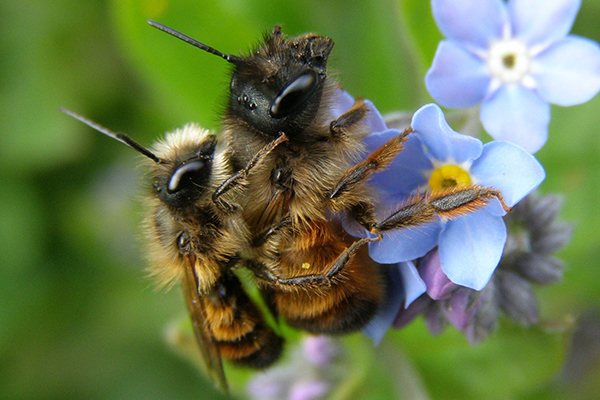
[Project completed] The aim of the project BeeAware! is to inspire communities in the Alps for bee protection and thus to improve the livelihoods of honey and wild bees. Bees are depending on an intact biodiversity. The different bee species need different plants, nesting and drinking places in order to survive. Integral bee protection therefore means securing, improving and enlarging the habitat of these important pollinators.
CIPRA International
GaYA
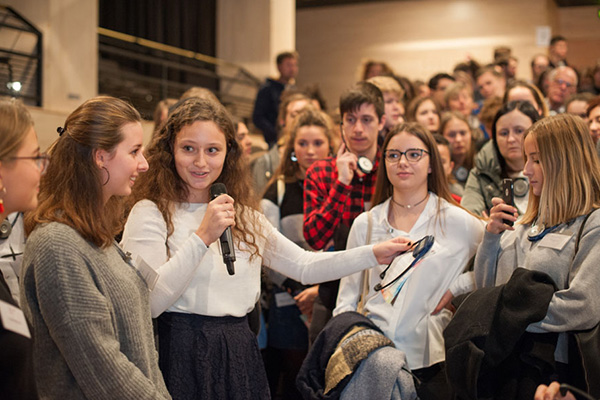
[Project completed] Governance and youth in the Alps - Young people tend to leave the Alpine space because they lack personal and professional fulfilment. Furthermore a majority of decision-makers remain unaware of the benefits a young active population brings to society.