
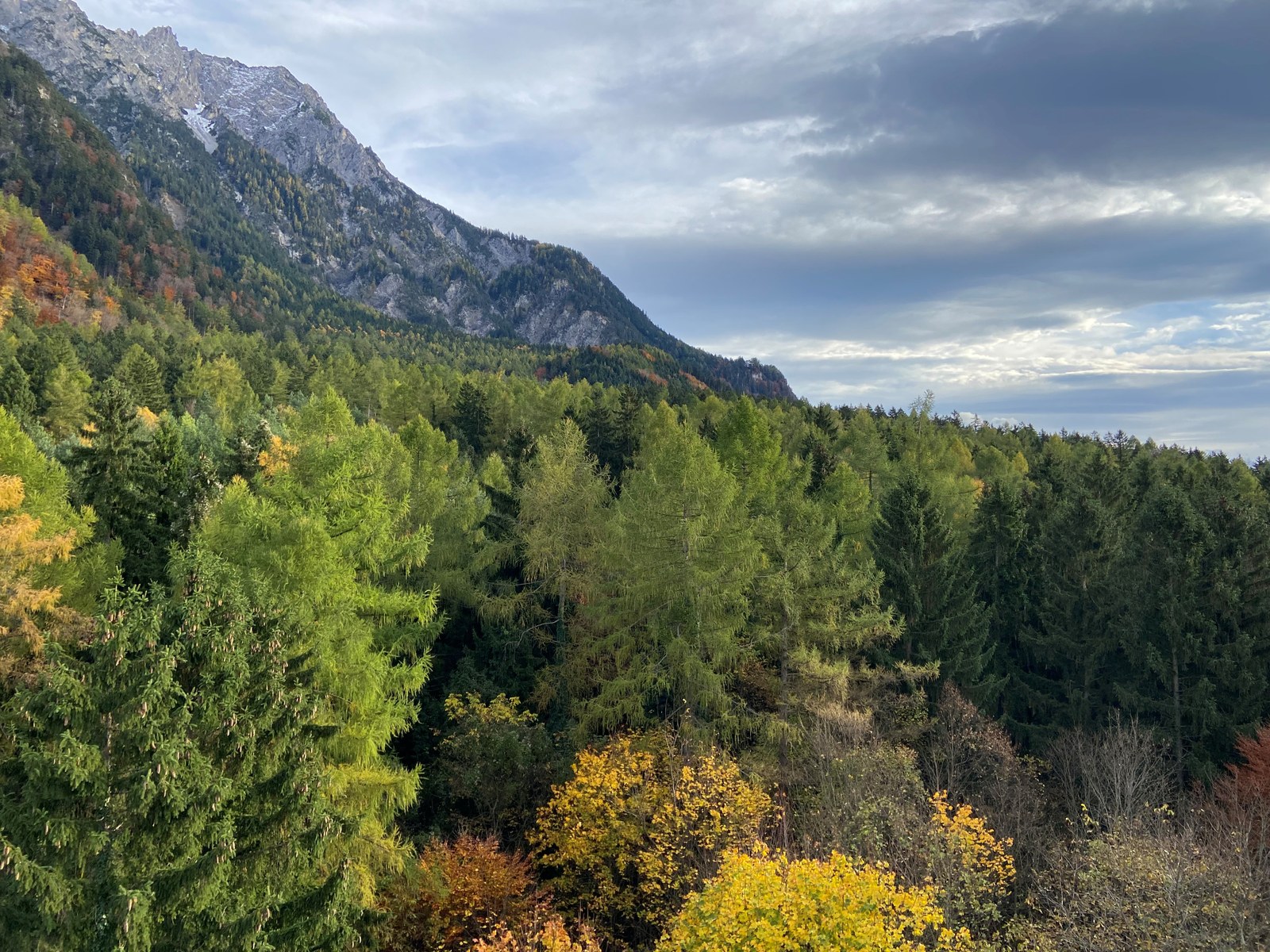
Act now to protect forests: sign the #HandsOffNature petition!
More than 40 percent of the Alpine region is covered by forests. They are not only a defining feature of the landscape, but also a cornerstone of Alpine livelihood, providing building materials, supporting biodiversity, and delivering essential ecosystem services.

Who is CIPRA?
Find out more!
More articles
CIPRA Internationale Alpenschutzkommission | Schaan, LI
Rhaetian Triangle: new online tools and support for local initiatives
The Swiss National Park (SNP) is currently developing a web based tool to analyze barriers and corridors of the large pilot region Rhaetian Triangle. Furthermore, two local initiatives are concretely acting for the restoration of ecological connectivity. The new map application will allow comparing a freely defined area with other areas in the neighbourhood and identifying the fields with high need of action according to selected indices.
CIPRA Internationale Alpenschutzkommission | Schaan, LI
Alpi Marittime: Ecological corridors preventing car accidents
In the Italian Alpi Marittime Natural Park car crashes which involve ungulates are very common. In most cases those accidents, besides being hazardous for drivers' life, could have been avoided with a better territorial planning, a more careful infrastructure planning and a warier use of existing technologies. The Alpi Marittime natural park will make use of the new ways to help the passage for animals across busy roads, which have been tested in the Pilot region of Isère.
CIPRA Internationale Alpenschutzkommission | Schaan, LI
Northern Limestone Alps: Involving local population
In the three provinces of Upper and Lower Austria and Styria interviews with 170 stakeholders were held. People were asked about their knowledge, experience and ideas concerning the connectivity of habitats and possible barriers by using a questionnaire. These interviews aimed at receiving an overview of opinions on this theme as well as information on planned or ongoing projects dealing with ecological connectivity in the region.
Isère Department: Tearing down the barriers
The French Isère Pilot Region is very active in the field of ecological connectivity. Besides ECONNECT, since February 2009 the region is engaged in another EU Project named "Paths of life". This project will last six years and has a budget of nine million Euro.
Events
|
Local Peaks, Global Learning | online | |
|
Transhumance as Intangible Cultural Heritage of Humanity: A Way Forward? | MUCEM, Marseille/France | |
|
Growing alternative crops for new market opportunities in a changing climate | Vienna/Austria | |
|
Trento Film Festival | Santa Croce street, 67; I-38122 Trento | |
|
ForumAlpinum 2026 | Aosta |
Projects
CIPRA International
AlpInnoCT
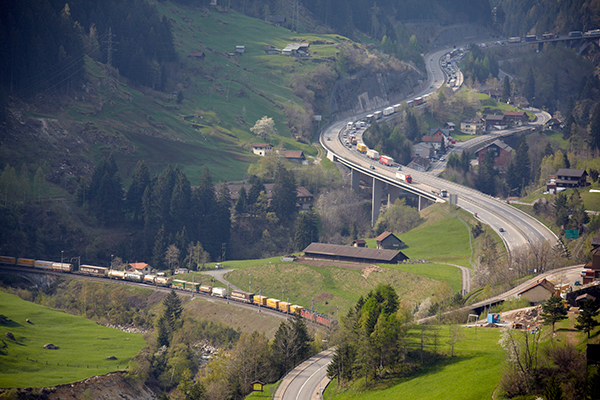
[Project completed] The Alps are a sensitive ecosystem that has to be protected from pollutant emissions and climate change. The alpine road freight transport has enormous ecological and sociocultural effects on the alpine habitat. Most actors such as forwarders, port operators, administrations and consumers, are aware of these negative effects and they are working on their own technical or regulatory solutions. However, a constructive and participatory dialogue between all involved actors, in order to promote sustainable freight transport within the Alps, has not been established so far.
CIPRA International
AlpES
[Project completed] Ecosystems and their services go beyond national borders and need a transnational approach for their dynamic protection, sustainable use, management and risk prevention. As a basis for joint action, public authorities, policy makers, NGOs, researchers and economic actors – the AlpES target groups – need a common understanding of ecosystem services, comparable information on their status and support in using appropriate tools for integrating them in their fields of work.
CIPRA International
SPARE – Alpine rivers as society’s lifelines
[Project completed] What is the state of the Alpine rivers? How can we bring those responsible and other interested parties to committing themselves to holistic river management? The SPARE project strives to answer these and other questions.