
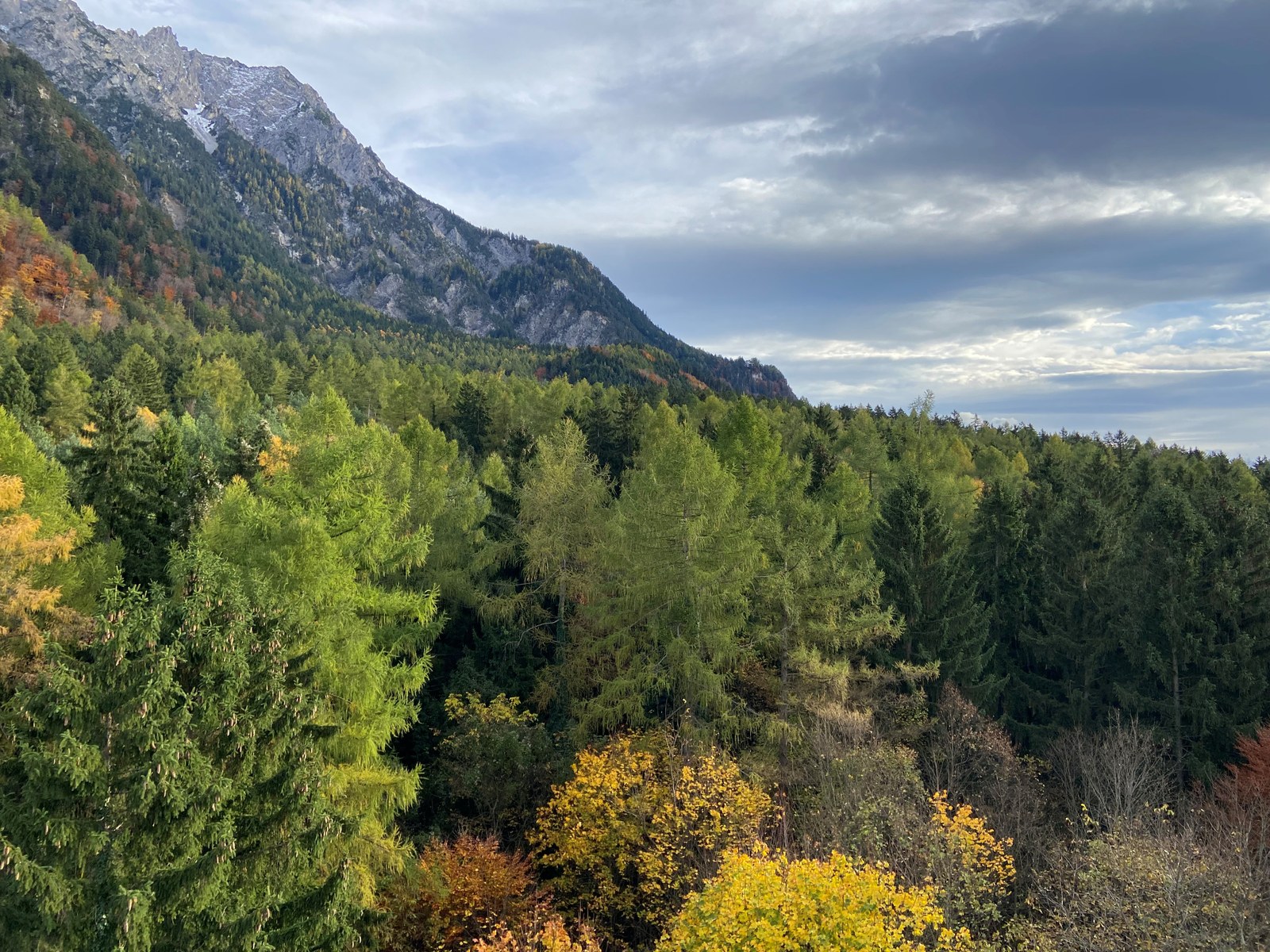
Act now to protect forests: sign the #HandsOffNature petition!
More than 40 percent of the Alpine region is covered by forests. They are not only a defining feature of the landscape, but also a cornerstone of Alpine livelihood, providing building materials, supporting biodiversity, and delivering essential ecosystem services.

Who is CIPRA?
Find out more!
More articles
alpMedia | Schaan, LI
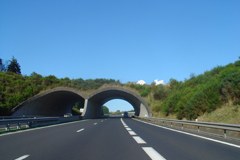
Green light for deer and lynx in the Alpine-Carpathian Corridor
In future, wild animals will be able to move more easily between the Alps and the adjoining Carpathian Mountains. That is the objective of the recently initiated cross-border project Alpine-Carpathian Corridor. The EU is providing approximately 2 million Euros for it.

alpMedia | Schaan, LI
The new CIPRA compacts Traffic and Spatial Planning are on-line
The results of the climate protection measures taken in the areas of 'Traffic' and 'Spatial Planning' are now accessible on-line. At www.cipra.org/en/cc.alps (de/en) both of the background reports - so-called 'CIPRA compacts' - 'Traffic and Climate Change' and 'Spatial Planning and Climate Change' can be downloaded.
alpMedia | Schaan, LI
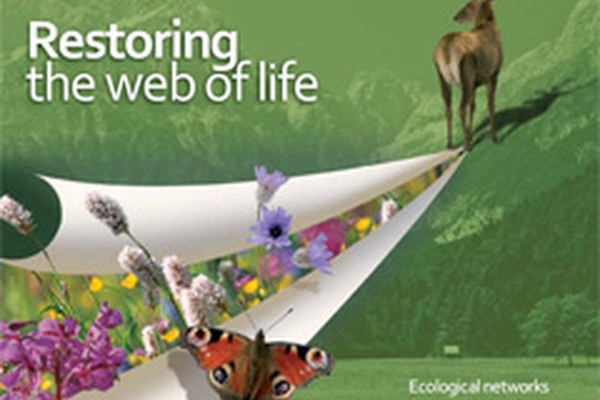
Restoring the web of life: a new brochure designed to help you understand ecological networks
What is an ecological network? How can you create one and who does it involve? What are their roles? These are just some of the questions to which the recently published brochure Restoring the web of life: ecological network for more biodiversity in the Alps provides answers.
Conference searching solutions to adapt to climate change
The Berchtesgaden National Park and the Alpine Network of Protected Areas (ALPARC) organised an international conference on ecological networks and climate change. The conference "Alpine Ecological Network: a response to climate change that will preserve biodiversity?" took place in Berchtesgaden, Germany, on 15th and 16th October 2009.
Projects
CIPRA International
speciAlps
[Project completed] Grasslands, marshes, hedges, biotopes and woods are examples of natural treasures and biological diversity that are of great value to alpine regions and municipalities. Not only do they offer a habitat for plants and animals, but also humans value functioning natural areas for their attractiveness and the quality of life they offer. Nevertheless, –these areas have much more potential than we often realise and there is much more every municipality can do!
CIPRA International | CIPRA France
whatsalps youth
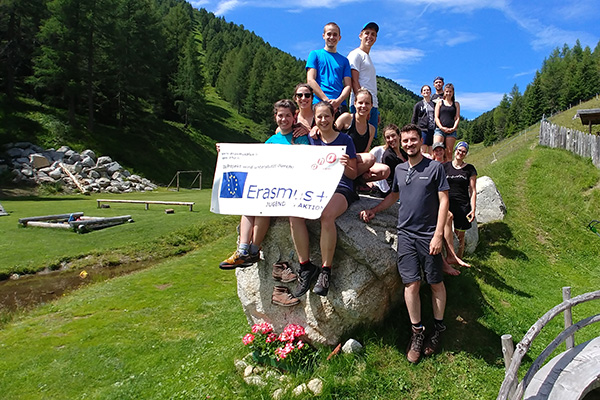
[Project completed] Many young people spend most of their time indoors, sit in front of the TV or the computer. The "whatsalp youth"-project lured them out. The CIPRA Youth Council, together with CIPRA International and other project partners, was implementing it.
CIPRA International
Worthwild
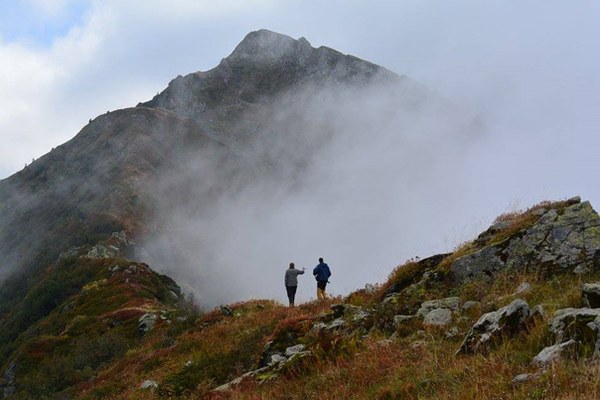
[Project completed] Only minimally impacted by human intervention, areas with limited infrastructural development in the Alps provide European societies with a wide range of ecosystem services, such as the conservation of biodiversity and climate regulation.