
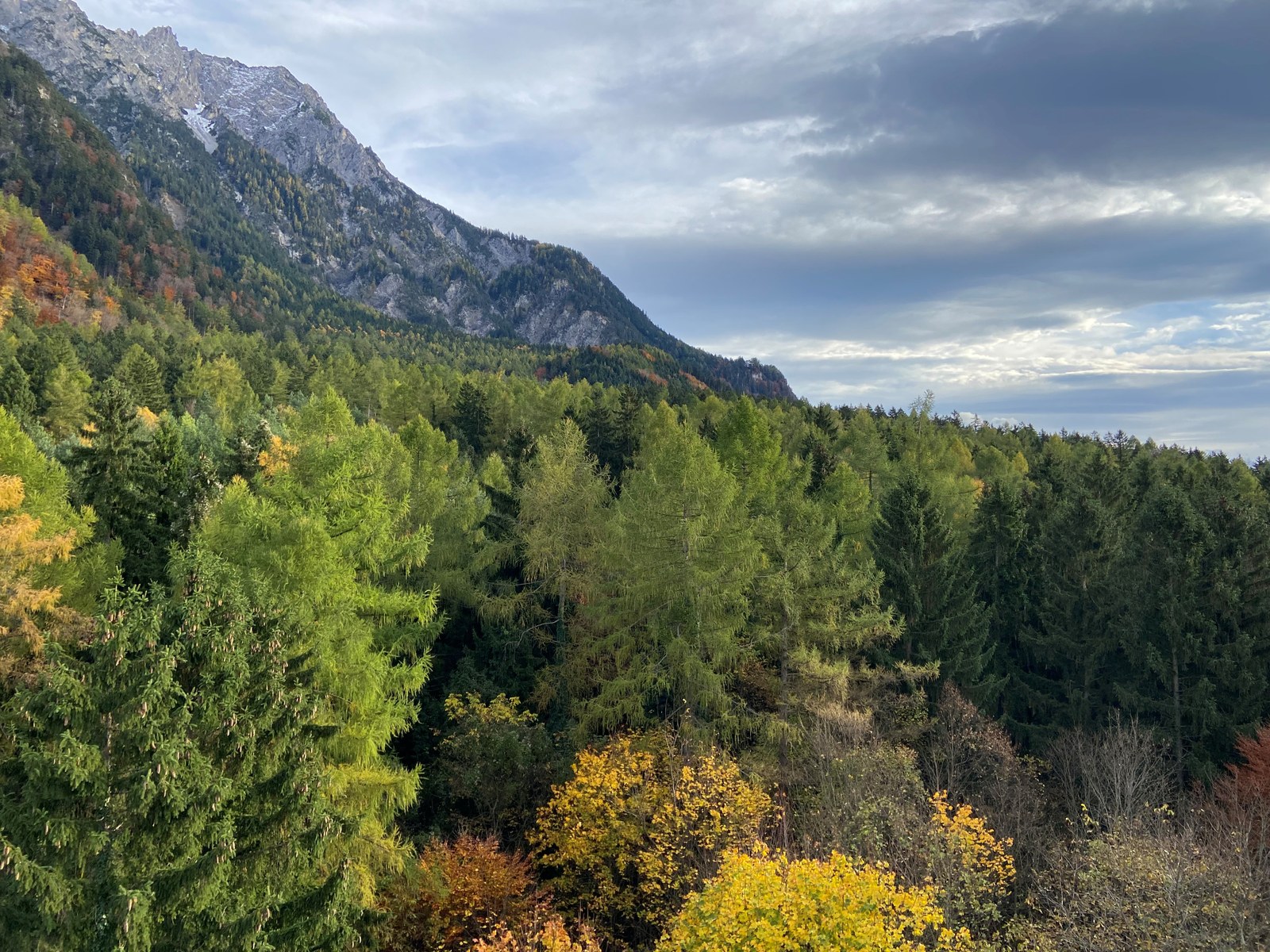
Act now to protect forests: sign the #HandsOffNature petition!
More than 40 percent of the Alpine region is covered by forests. They are not only a defining feature of the landscape, but also a cornerstone of Alpine livelihood, providing building materials, supporting biodiversity, and delivering essential ecosystem services.

Who is CIPRA?
Find out more!
More articles
alpMedia | Schaan, LI
Club Arc Alpin makes a stand on climate change, the expansion of fixed rope routes, and motorised offroad traffic
On September 12 the Club Arc Alpin (CAA) held its members' meeting in Innsbruck at which it formulated political demands on climate change and adopted a number of policy documents on fixed rope routes and motorised offroad traffic. On the subject of climate change the CAA called for a reduction in CO2 as well as a move away from a dependency on fossil sources of energy. It specifically addressed the issue of traffic, to which it suggested a number of measures.
alpMedia | Schaan, LI
New issue of the Eco.mont magazine
The latest issue of eco.mont - Journal on Protected Mountain Areas Research is now available. It features scientific articles from European mountain regions and the Himalayas, with articles on amphibians, visitor monitoring, information management, resource utilisation, and the perception of biodiversity changes.
alpMedia | Schaan, LI
Alpine Convention's climate portal now online
The Permanent Secretariat of the Alpine Convention has gone online with its climate portal, in time for International Mountain Day and the climate negotiations in Copenhagen. The climate portal collates and disseminates information on events, activities and developments relating to climate change in the Alps. Climate-related information from throughout the Alpine region can be submitted to the portal for publication.
cc.alps | Schaan, LI
The construction industry as a key to the problem of climate change
The information provided through cc.alps is now available in the form of focussed background reports called Compacts, which can be downloaded from the CIPRA website at www.cipra.org/de/cc.alps/ergebnisse/compacts . The first three Compacts - on Energy, Nature Protection, and Construction and Refurbishment - address their subjects with reference to climate change in the Alpine context. The authors list and analyse activities relating to climate change mitigation and adaptation, assessing them for sustainability, explaining the conflicts of interest involved, and presenting examples of good practice.
Events
|
Local Peaks, Global Learning | online | |
|
Transhumance as Intangible Cultural Heritage of Humanity: A Way Forward? | MUCEM, Marseille/France | |
|
Growing alternative crops for new market opportunities in a changing climate | Vienna/Austria | |
|
Trento Film Festival | Santa Croce street, 67; I-38122 Trento | |
|
ForumAlpinum 2026 | Aosta |
Projects
CIPRA International
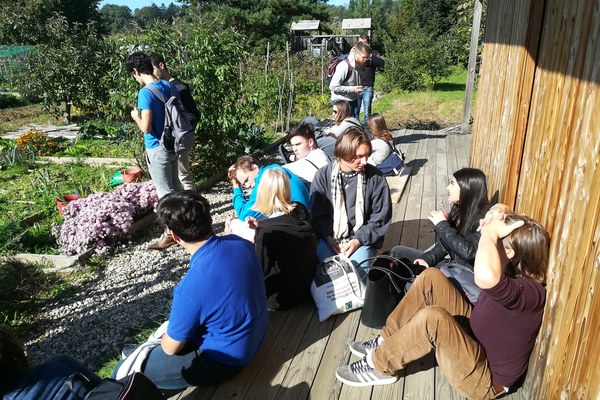
Alps2030
[Project completed] Climate change, increasing consumption of resources and waste problems threaten nature and society in the Alps. With their 17 Sustainable Development Goals (SDGs), almost all countries worldwide have set themselves the target of making global development socially, ecologically and economically sustainable by 2030.
CIPRA International | CIPRA Youth Council
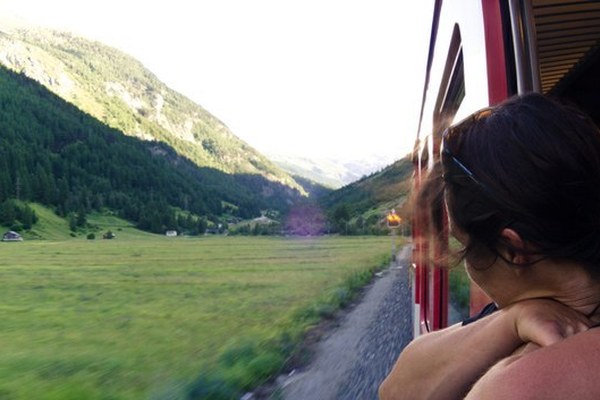
AlpTick
Having one ticket for all public transportation in the entire Alpine region – this is our vision. The Alpine Ticket (AlpTick) makes travelling in the Alps easier, more sustainable and more attractive for young people. It is an idea developed by the CIPRA Youth Council (CYC) based on its members’ experiences of travelling on public transport in the Alps.
CIPRA International | CIPRA Slovenija | CIPRA Deutschland | CIPRA Italia | CIPRA Schweiz | CIPRA France | CIPRA Youth Council
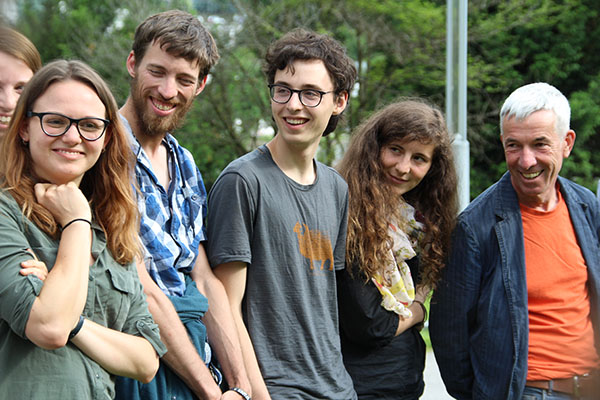
Re.sources
[Project completed] Water, soil, bees, ideas, motivation, time: the Alps contain a wide range of resources. A large part of the natural capital is under threat, while the social potential for more sustainable solutions still slumbers in many places. What are my resources and what are yours? Which ones are in danger and which ones are our lives dependent on? What resources does it take to make a change towards sustainable development in the Alps?