
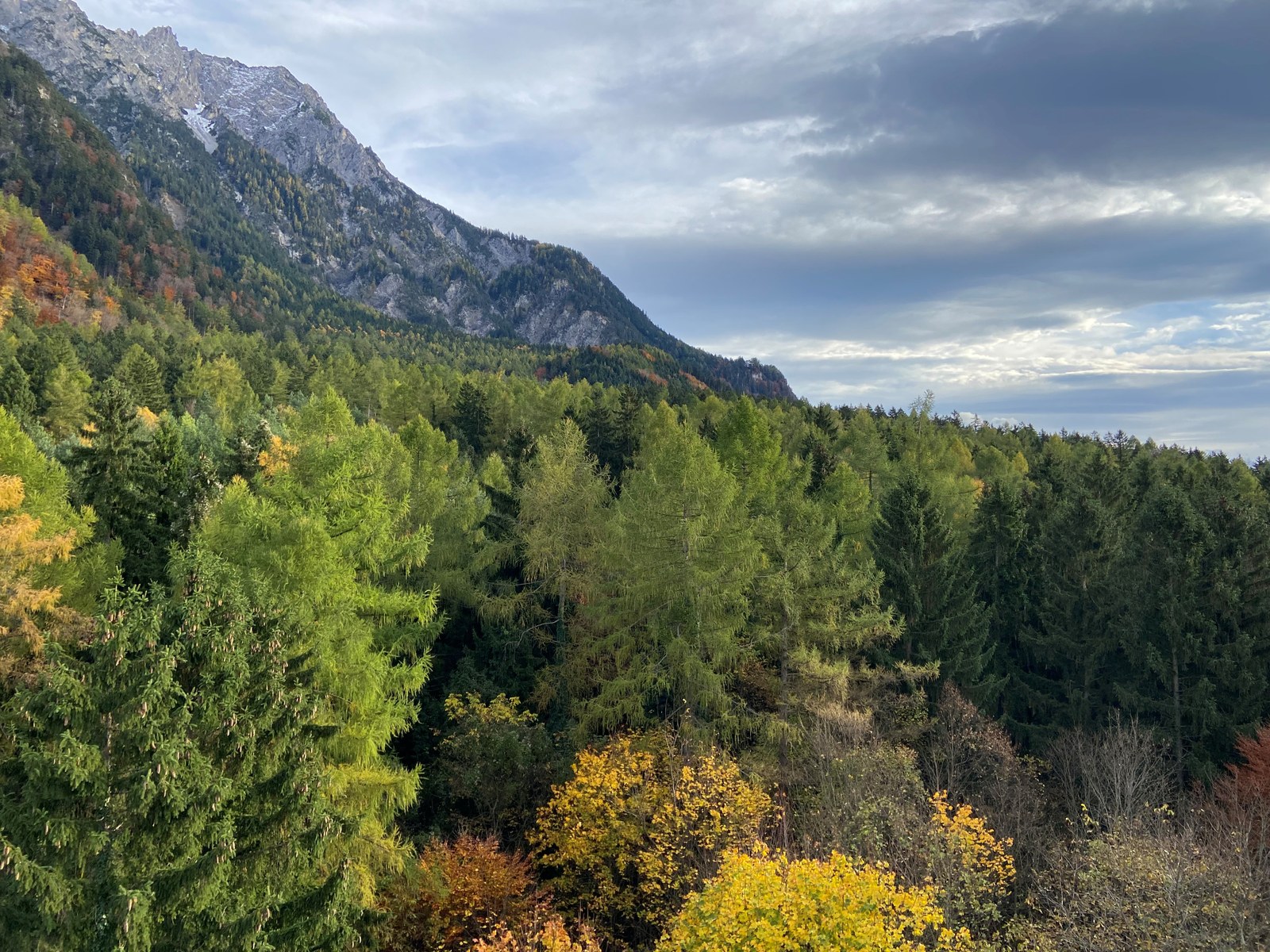
Act now to protect forests: sign the #HandsOffNature petition!
More than 40 percent of the Alpine region is covered by forests. They are not only a defining feature of the landscape, but also a cornerstone of Alpine livelihood, providing building materials, supporting biodiversity, and delivering essential ecosystem services.

Who is CIPRA?
Find out more!
More articles
Sophie V. Mahlknecht, CIPRA International
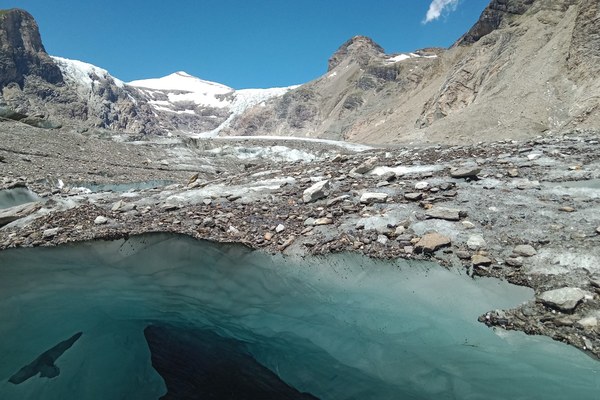
The final glacier melt
Glaciers have been suffering from the consequences of climate change for years, but the latest figures from the Alpine countries are nevertheless alarming: measurements from 2022-23 show that the glaciers in the Alps shrank by more than ever before. A researcher from the Austrian Alpine Association describes the situation as “miserable as hell”.
Veronika Hribernik, CIPRA International
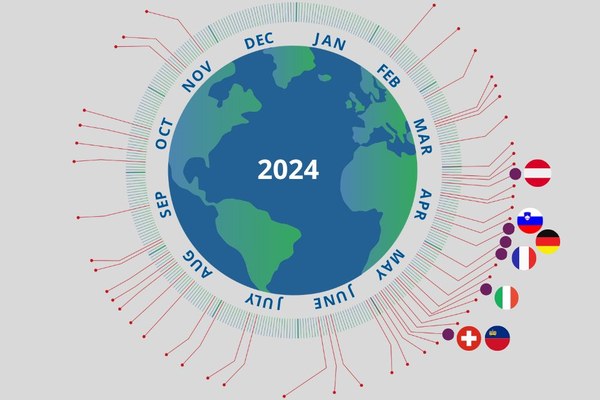
Excessive consumption of resources
The Alpine countries are living at the expense of future generations: if everyone lived like those living in the Alpine region, the available resources for this year would be used up by May 2024.
Anna Mehrmann, CIPRA International
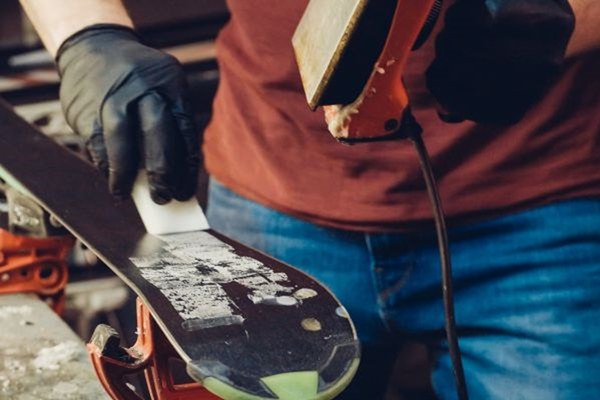
Toxic chemicals - even in ski resorts
Anoraks, climbing ropes, ski wax: many outdoor products contain persistent chemicals (PFAS). A recent study shows their worldwide distribution, with ski resorts in the Alps particularly affected.
Francesco Pastorelli, CIPRA Italy
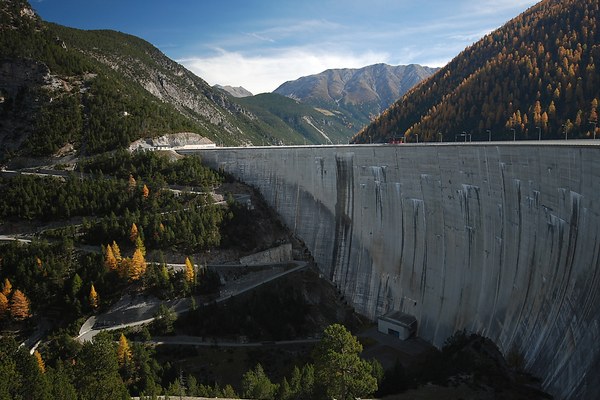
New Alpine reservoirs to combat water shortages
Frequent droughts, thirsty agriculture: Italy is discussing the construction of additional reservoirs to supply drinking water and energy. More ecologically sound solutions are in danger of falling by the wayside.
Events
|
Youth Parliament to the Alpine Convention: Climate Resilient Development | ||
|
The Better-Cities Event | Ljubljana | |
|
Local Peaks, Global Learning | online | |
|
Transhumance as Intangible Cultural Heritage of Humanity: A Way Forward? | MUCEM, Marseille/France | |
|
Growing alternative crops for new market opportunities in a changing climate | Vienna/Austria |
Projects
CIPRA International
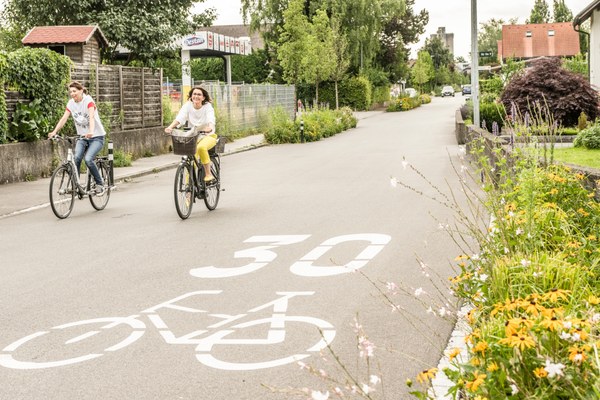
Climate-friendly streetscapes
Whether travelling by car, public transport, bicycle or on foot, roads and their immediate surroundings are probably the most important part of our daily journeys. Against the backdrop of the climate crisis, they can become a problem because they increase the heat island effect and seal the ground. The project, based in the Alpine Rhine Valley, aims to make road spaces fair, climate-friendly and health-promoting.
CIPRA International
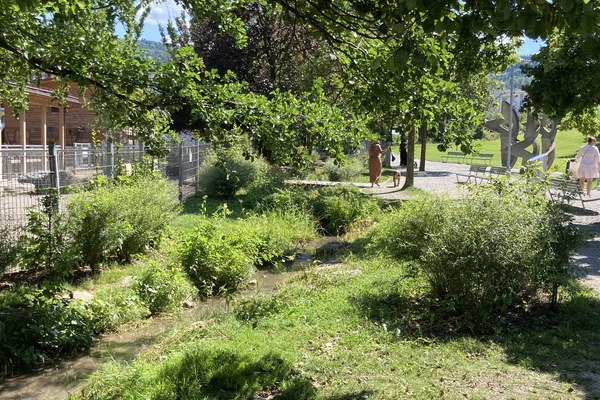
Nature-based solutions and their governance structures in the Alpine region
In view of the global challenges of climate change and biodiversity loss, the use of nature-based solutions (NbS) is becoming increasingly important. On behalf of the German Federal Environment Agency, ifuplan (lead) and CIPRA International are preparing a report on “Nature-based solutions and governance structures in the Alpine region”. The aim of the report is to analyse the potential of various NbS in the Alpine region and the governance mechanisms behind them that ensure their success. Based on this, their transferability to other Alpine regions will be analysed and recommendations for action formulated.
CIPRA International
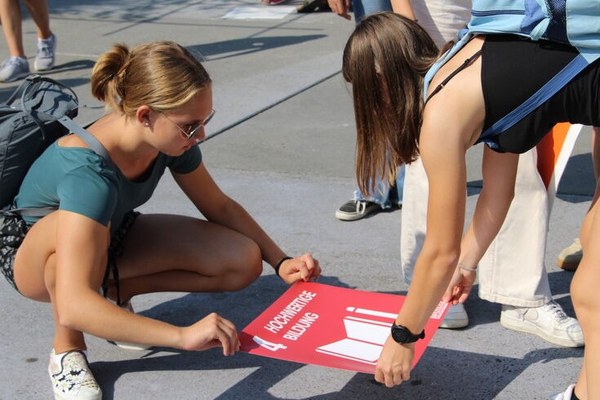
Ars vivendi
[Project completed] How can the Sustainable Development Goals (SDGs) be learned and taught? In the project «ars vivendi» a didactic tool for the Global Agenda 2030 is being developed.