
Act now to protect forests: sign the #HandsOffNature petition!
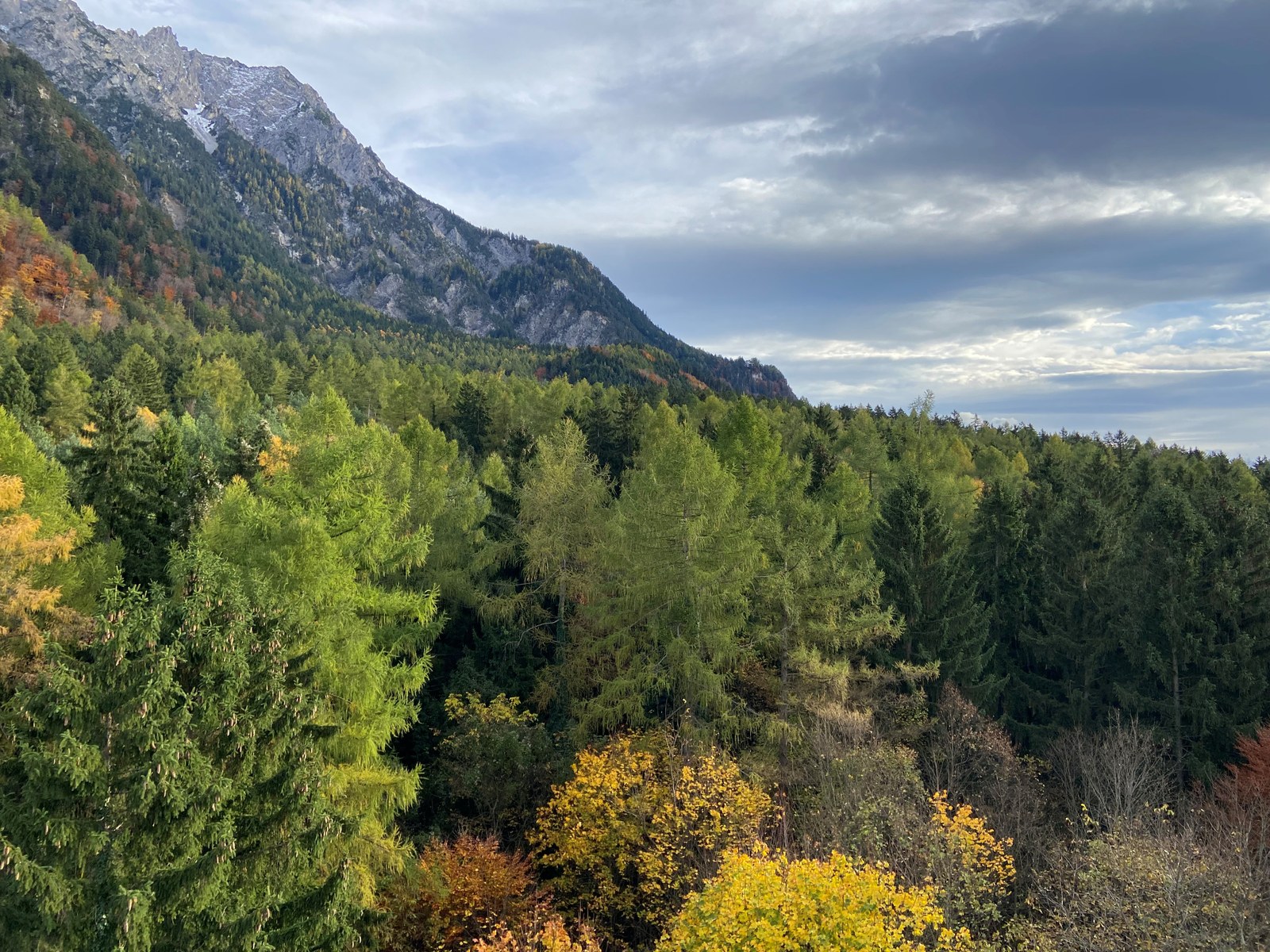
More than 40 percent of the Alpine region is covered by forests. They are not only a defining feature of the landscape, but also a cornerstone of Alpine livelihood, providing building materials, supporting biodiversity, and delivering essential ecosystem services.

Who is CIPRA?
Find out more!
More articles
alpMedia | Schaan, LI
Toxic glacier melts
A new study has confirmed that melting glaciers release chemical substances that have long been banned and are not longer produced by industry. Researchers from Swiss education institutes took frozen sediment core samples from the Oberaar reservoir in the Grimsel area in Switzerland and used the layers to reconstruct the history of the lake back to when it was first established in 1953.
alpMedia | Schaan, LI
Alpine Convention acts as a guide for the Dinaric Alps
CIPRA Slovenia has successfully completed its project entitled "Knowledge transfer in the area of sustainable development from the Alpine Convention to the municipality of Mojkovac in Montenegro". The project provides a good starting point for the comprehensive promotion of nature conservation and sustainable development in the Dinaric mountain range.
alpMedia | Schaan, LI
The 2009 Climate Winners
The winning municipalities of the 2009 Climate Star were presented with their awards in Melk in Lower Austria on October 22, under the motto of "Fast Track to Climate Protection". The proud winners from the Alpine region were the local authorities of Lustenau in Austria and Sand in Taufers in South Tyrol/I. The record participation of 444 municipalities from eleven European countries, with a very strong showing by local authorities in the Alps, highlights the importance now attached to climate protection.
CIPRA International
Calm and collected in a heated discussion: Ivan Hribar, director of Snovik thermal spa/SL
The Thermal Center Snovik was the winner of one of the seven prizes in CIPRA’s cc.alps competition for its activities . We met the director Ivan Hribar.
Events
|
Local Peaks, Global Learning | online | |
|
Transhumance as Intangible Cultural Heritage of Humanity: A Way Forward? | MUCEM, Marseille/France | |
|
Growing alternative crops for new market opportunities in a changing climate | Vienna/Austria | |
|
Trento Film Festival | Santa Croce street, 67; I-38122 Trento | |
|
ForumAlpinum 2026 | Aosta |
Projects
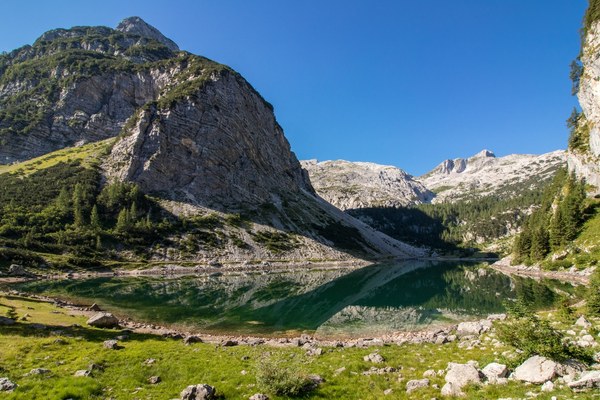
Responsible management of mountain water resources
Mountain regions constitute a unique yet fragile natural environment that provides habitat for numerous rare and endemic species. Their biodiversity is rich, yet highly vulnerable. These areas host a variety of aquatic ecosystems—rivers, streams, lakes, wetlands and peat bogs — which have very limited self-purification capacity and are extremely sensitive to change. Their condition is directly affected by climate change and human activities.
CIPRA International
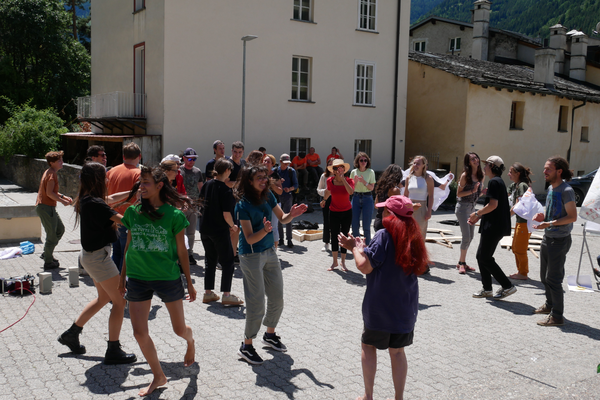
Alpine Changemaker Network
How can we advance eco-social transformation in the Alpine region? The Alpine Changemaker Network project combines Alpine traditions, as reflected in contemporary art, culture and design, with current approaches to overcoming global crises.
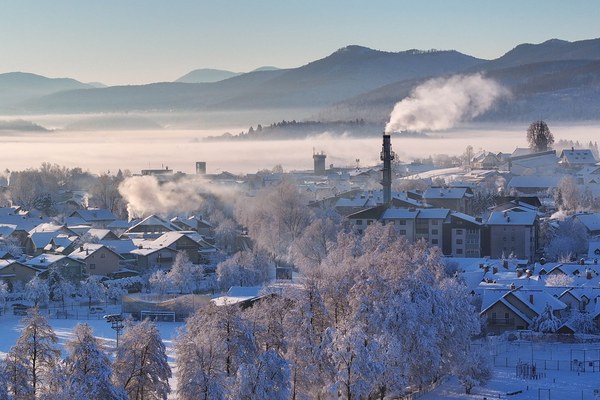
Heating of buildings and air quality 2.0
The project represents a continuation of efforts to reduce air pollution resulting from improper combustion in individual furnaces. Particular attention is paid to the use of outdated wood biomass combustion devices, which contribute significantly to emissions of particles that are harmful to health.