Act now to protect forests: sign the #HandsOffNature petition!
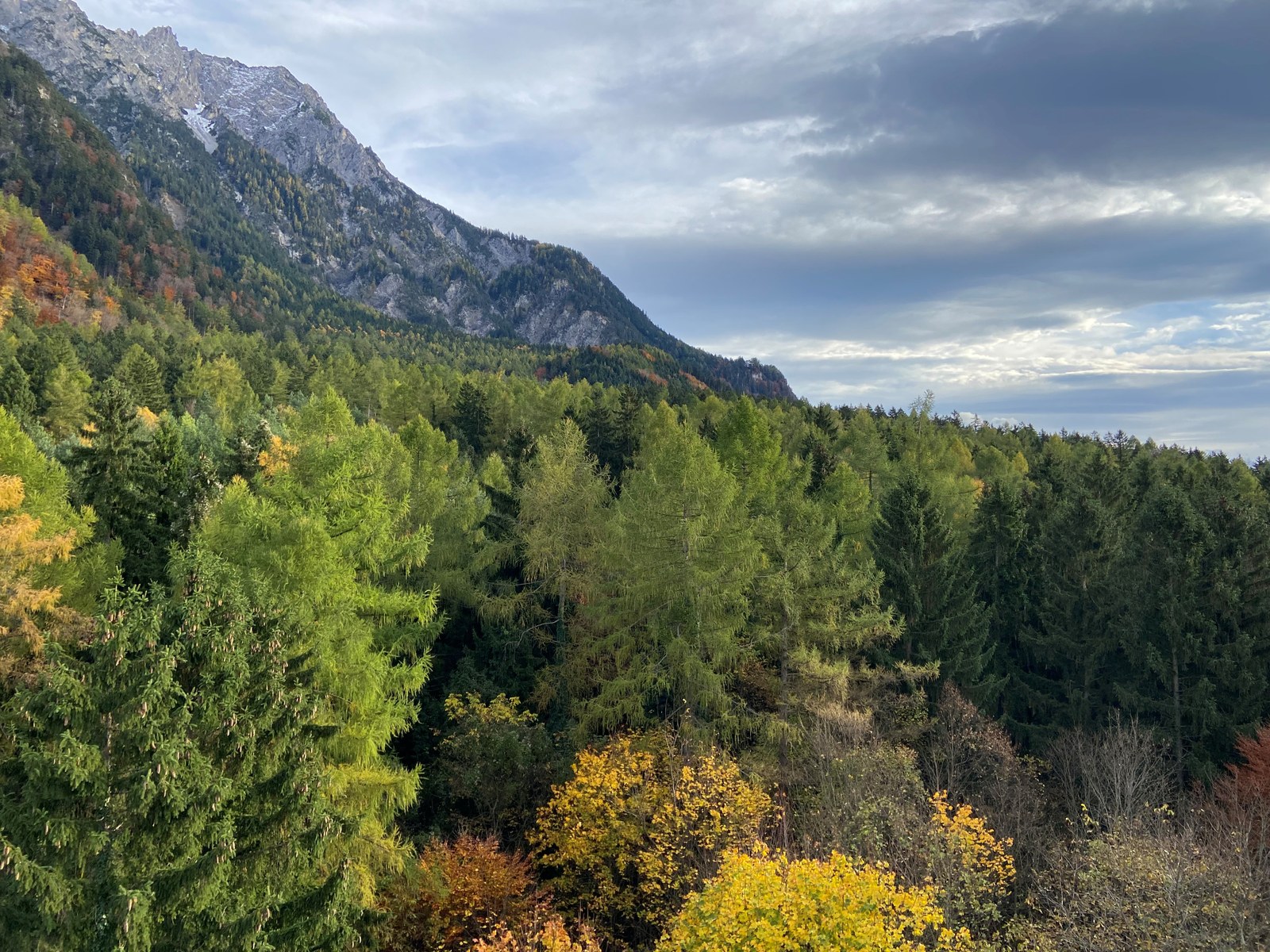
More than 40 percent of the Alpine region is covered by forests. They are not only a defining feature of the landscape, but also a cornerstone of Alpine livelihood, providing building materials, supporting biodiversity, and delivering essential ecosystem services.

Who is CIPRA?
Find out more!
More articles
alpMedia | Schaan, LI
Beacons of energy-efficient construction in the mountains
The summer of 2009 saw the opening of the first mountain chalet to be built to the Minergy-P standard. Located in the ski area of Zermatt/CH at an altitude of 3,883 metres, the Matterhorn Glacier Paradise is a model of ecological construction at the foot of the Klein Matterhorn.
alpMedia | Schaan, LI
New ALPARC brochure available
"Large Carnivores in the Alps and Carpathians: Living with the Wildlife" is a recently published brochure containing the results of the conference on large carnivores held in Slovakia at the beginning of July.
alpMedia | Schaan, LI
Abondance Ski Area reopened
In the last few years, lack of snow was a major problem for the ski area in Abondance/F, which is located at 1500 m above sea-level. Because of poor snow conditions, the lifts did not open at all in the last two winter seasons.
alpMedia | Schaan, LI
Latest edition of the Journal of Alpine Research now available online
The latest edition of the international and multidisciplinary "Journal of Alpine Research" is now available online under the title "Mountain Regions as Referents for Collective Action".
Events
|
Local Peaks, Global Learning | online | |
|
Transhumance as Intangible Cultural Heritage of Humanity: A Way Forward? | MUCEM, Marseille/France | |
|
Growing alternative crops for new market opportunities in a changing climate | Vienna/Austria | |
|
Trento Film Festival | Santa Croce street, 67; I-38122 Trento | |
|
ForumAlpinum 2026 | Aosta |
Projects
CIPRA International
Ecological Continuum Initiative
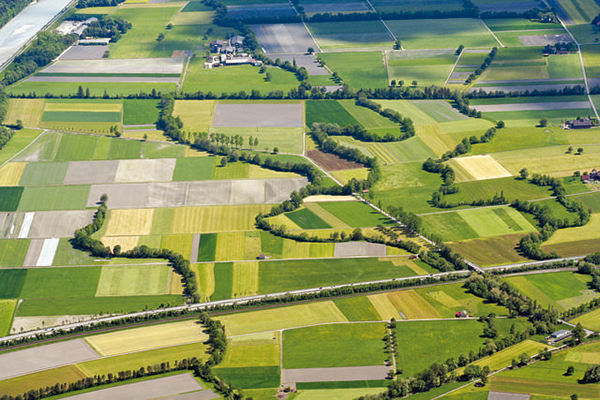
[Project completed] Nature does not stop at the boundaries of protected areas or national borders. And, more and more often, man’s interventions in nature and the landscape are dissecting habitats and lastingly obstructing the exchange and migration of fauna and flora. This is putting Europe’s unique biodiversity in the Alps at risk.