
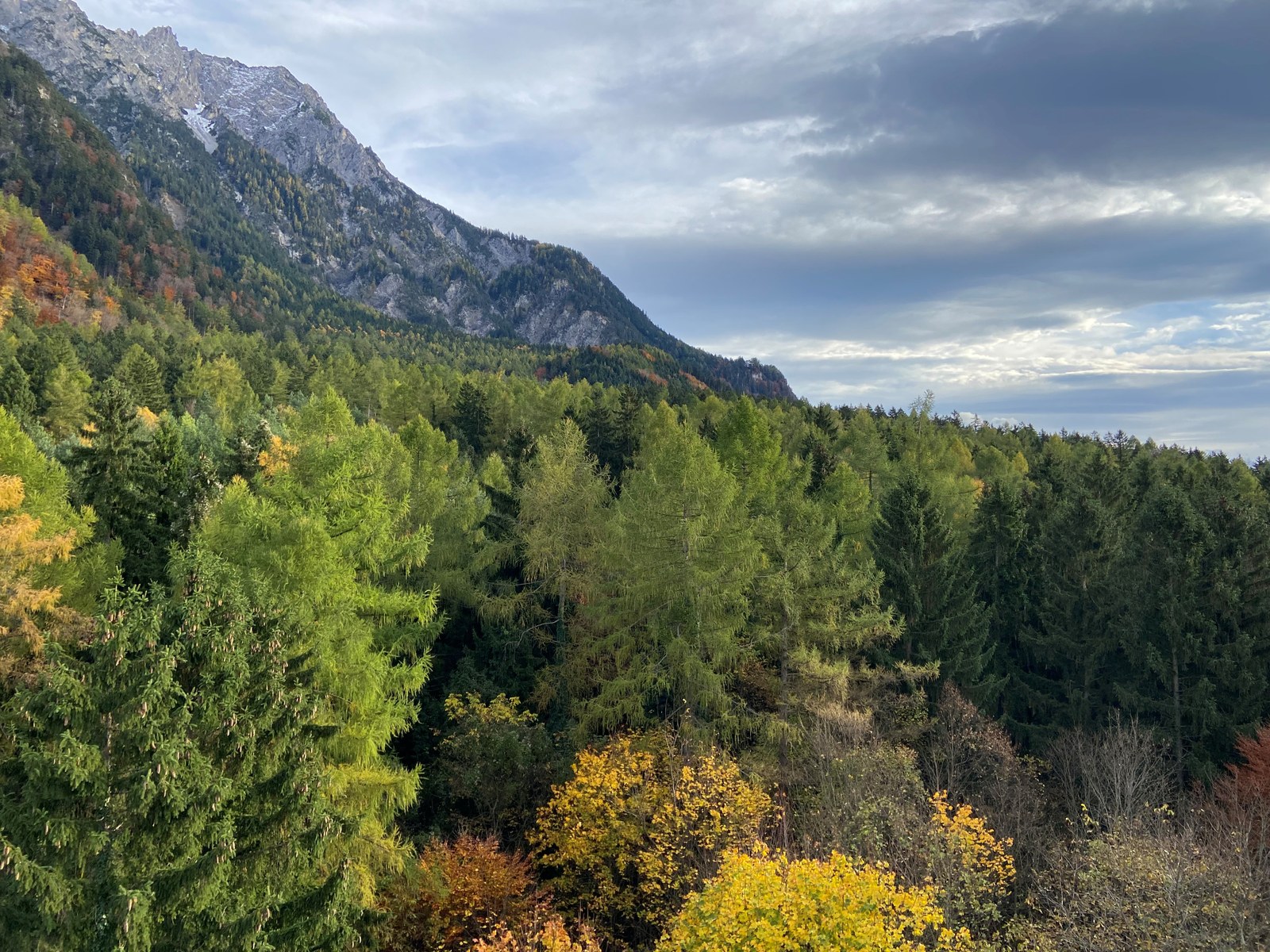
Act now to protect forests: sign the #HandsOffNature petition!
More than 40 percent of the Alpine region is covered by forests. They are not only a defining feature of the landscape, but also a cornerstone of Alpine livelihood, providing building materials, supporting biodiversity, and delivering essential ecosystem services.

Who is CIPRA?
Find out more!
More articles
cc.alps | Schaan, LI
Exemplary Climate Response Measures
A great deal is being done in the Alps as a response to climate change.
cc.alps | Schaan, LI
Knowledge in a compact and understandable form
Cool heads and well considered strategies are required in these times of heated debate about climate measures.
cc.alps | Schaan, LI
Melting glaciers on your local mountain - what now?
On 24th and 25th September 2009 cc.alps is organising an international conference on the impact of melting glaciers on communities in collaboration with CIPRA Switzerland and the Swiss Foundation for Landscape Preservation in Crans Montana/CH.
alpMedia | Schaan, LI
Why do you go hiking?
Together with the French Ramblers' Association and the French Alpine Club, the French association "Grande Traversée des Alpes" are trying to find the answer to the simple question, why do tourists go hiking on mountain and woodland paths or through dunes and deserts?
Projects
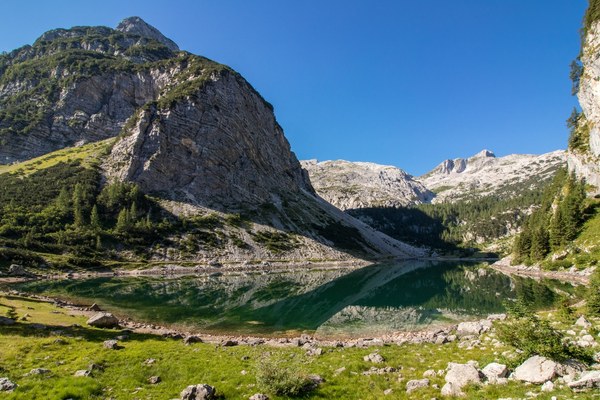
Responsible management of mountain water resources
Mountain regions constitute a unique yet fragile natural environment that provides habitat for numerous rare and endemic species. Their biodiversity is rich, yet highly vulnerable. These areas host a variety of aquatic ecosystems—rivers, streams, lakes, wetlands and peat bogs — which have very limited self-purification capacity and are extremely sensitive to change. Their condition is directly affected by climate change and human activities.
CIPRA International
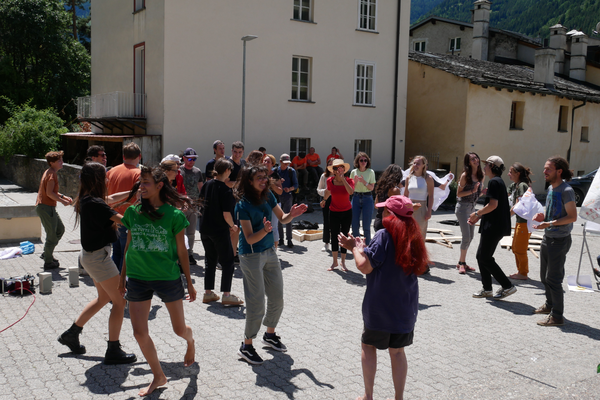
Alpine Changemaker Network
How can we advance eco-social transformation in the Alpine region? The Alpine Changemaker Network project combines Alpine traditions, as reflected in contemporary art, culture and design, with current approaches to overcoming global crises.
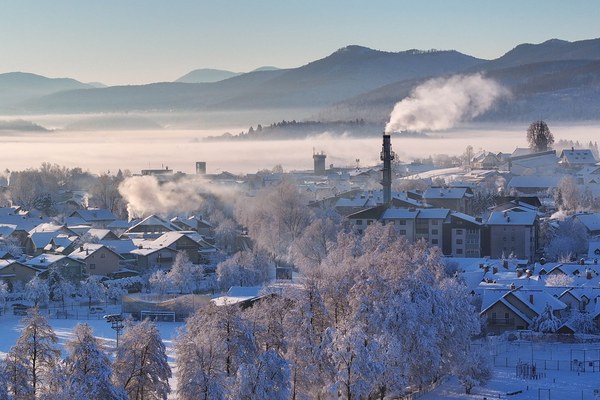
Heating of buildings and air quality 2.0
The project represents a continuation of efforts to reduce air pollution resulting from improper combustion in individual furnaces. Particular attention is paid to the use of outdated wood biomass combustion devices, which contribute significantly to emissions of particles that are harmful to health.