
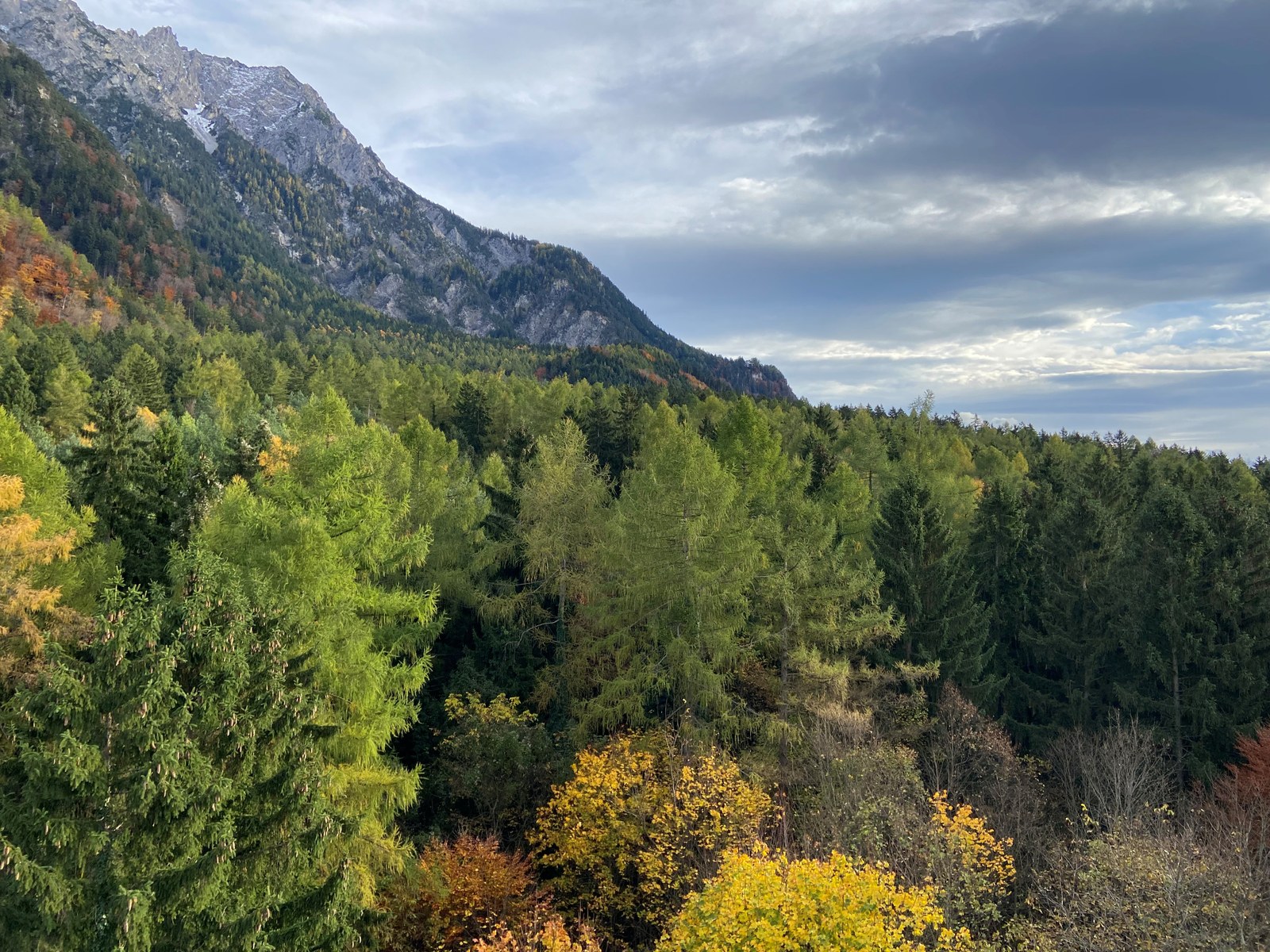
Act now to protect forests: sign the #HandsOffNature petition!
More than 40 percent of the Alpine region is covered by forests. They are not only a defining feature of the landscape, but also a cornerstone of Alpine livelihood, providing building materials, supporting biodiversity, and delivering essential ecosystem services.

Who is CIPRA?
Find out more!
More articles
alpMedia | Schaan, LI
Alpine region carbon-neutral by 2050
At the 10th Alpine Conference in Evian/F in March 2009 a climate action plan was adopted, which set itself the goal of making the Alpine region a model for prevention and adjustment to climate change.
alpMedia | Schaan, LI
First carbon-footprint calculation for a ski school
The carbon footprint of a ski school in France has been measured for the first time.
alpMedia | Schaan, LI
European Agro-Biodiversity Day
The European Agro-biodiversity Day (EAD) will take place on 29th September 2009 under the motto "Arca-Net - the European Ark Network".
alpMedia | Schaan, LI
New documentation on ecological networks in Europe
The KEN Projekt (Knowledge for ecological networks - Catalyzing the involvement of stakeholders in the implementation of ecological networks in Europe), carried out by six project partners, came to an end.
Projects
CIPRA International
Alpine Climate Action
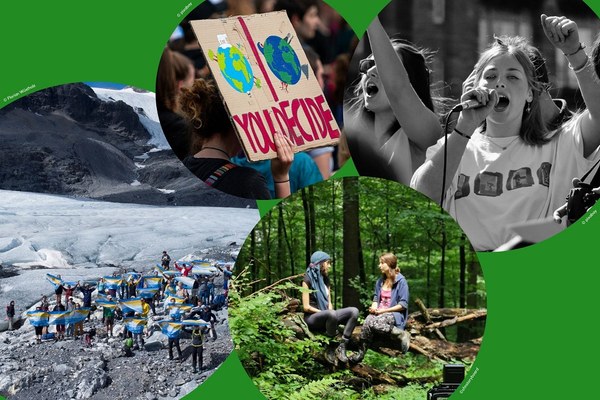
[Project completed] From classic forms of political participation to creative methods of non-violent civil resistance: in four online workshops, young adults learn about a range of political engagement – and how they can use it to campaign for climate protection.
CIPRA International
Saving:Soils
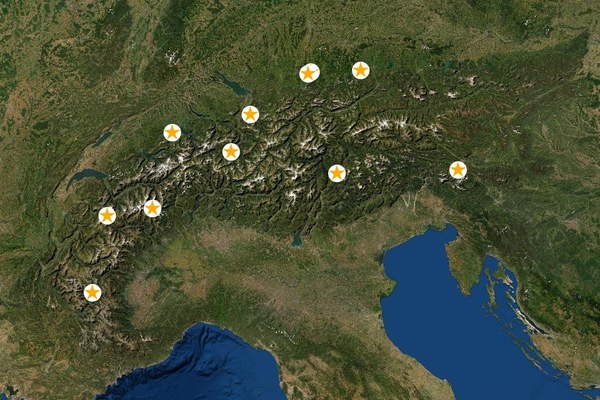
[Project completed] With its project “Saving:Soils”, CIPRA is working for a trend reversal in the use of land in peri-urban areas in order to put scientific findings into practice, make pilot examples visible and encourage imitation.
CIPRA International
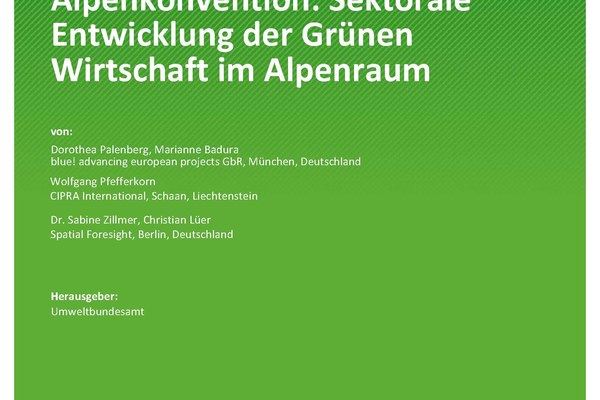
Alpine Convention - Sectoral development of the Green Economy in the Alpine region
[Project completed] Promoting environmentally sustainable growth while recognising ecological limits: the Green Economy is low-carbon, resource-efficient and socially inclusive. This form of economy preserves the Alpine ecosystem while making use of existing natural capital.