
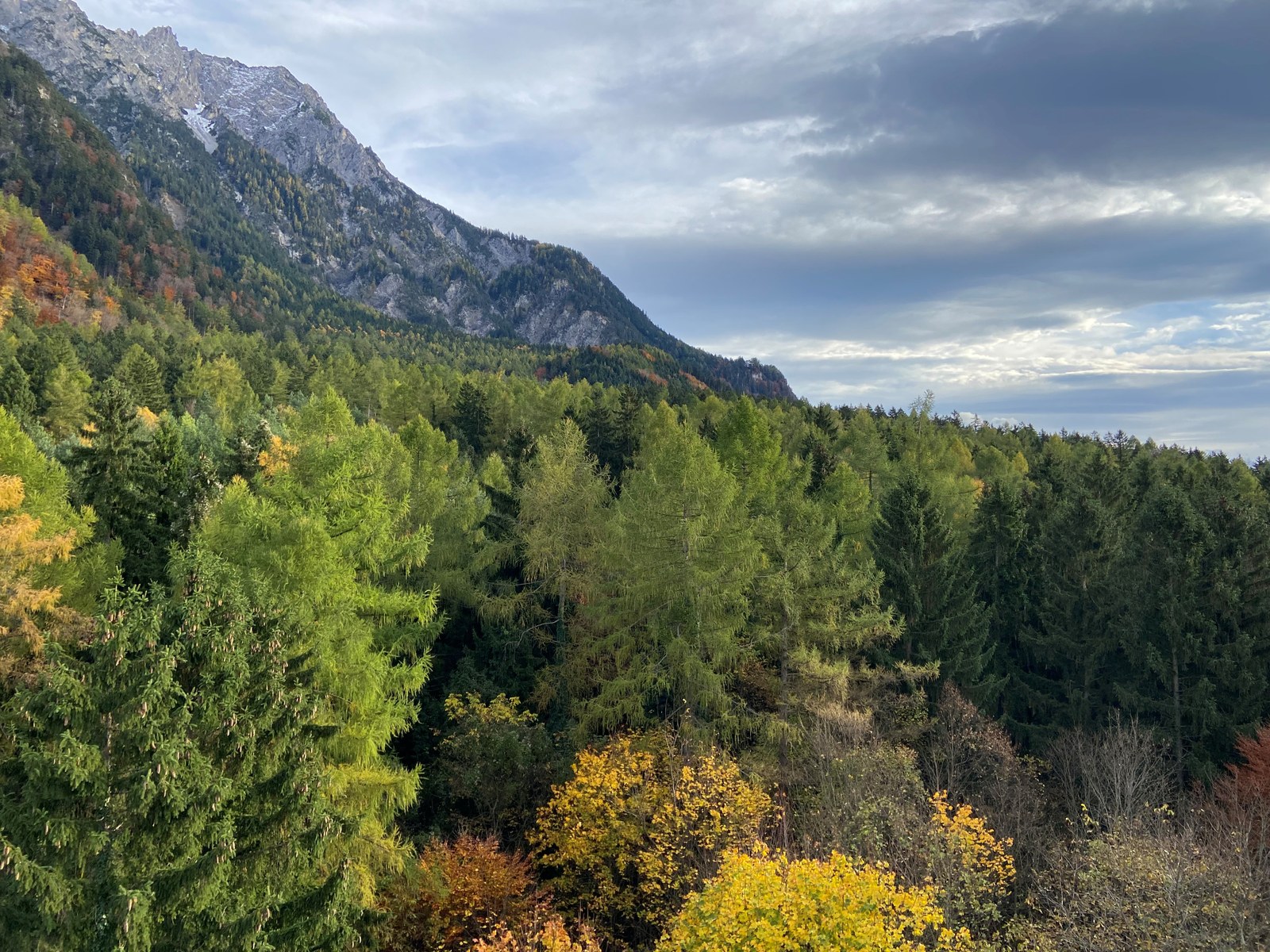
Act now to protect forests: sign the #HandsOffNature petition!
More than 40 percent of the Alpine region is covered by forests. They are not only a defining feature of the landscape, but also a cornerstone of Alpine livelihood, providing building materials, supporting biodiversity, and delivering essential ecosystem services.

Who is CIPRA?
Find out more!
More articles
alpMedia | Schaan, LI
Energy-efficient buildings under discussion
The Director of the Passive House Institute in Darmstadt/Germany, Wolfgang Feist, and the Director of the ClimateHouse Agency in Bolzano/I, Norbert Lantschner, have responded to questions about energy-efficient construction in interviews.
alpMedia | Schaan, LI
Alps insight: Schengen for Flora and Fauna
CIPRA's Alps insight No. 90 (formerly CIPRA Info) "Schengen for Flora and Fauna" is devoted to the topic of biotope networking.
alpMedia | Schaan, LI
Master in Sustainable Mountain Development
The new degree programme "MSc Managing Sustainable Mountain Development" begins at Perth College/UK in August 2009.
alpMedia | Schaan, LI
History of the Alps now also in English
Jon Mathieu's book entitled in German Geschichte der Alpen, 1500-1900: Umwelt, Entwicklung und Gesellschaft is now available in an English translation.
Projects
CIPRA International
Alps2030
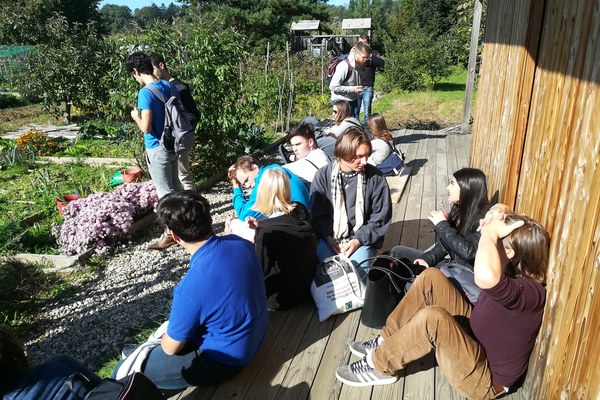
[Project completed] Climate change, increasing consumption of resources and waste problems threaten nature and society in the Alps. With their 17 Sustainable Development Goals (SDGs), almost all countries worldwide have set themselves the target of making global development socially, ecologically and economically sustainable by 2030.
CIPRA International | CIPRA Youth Council
AlpTick
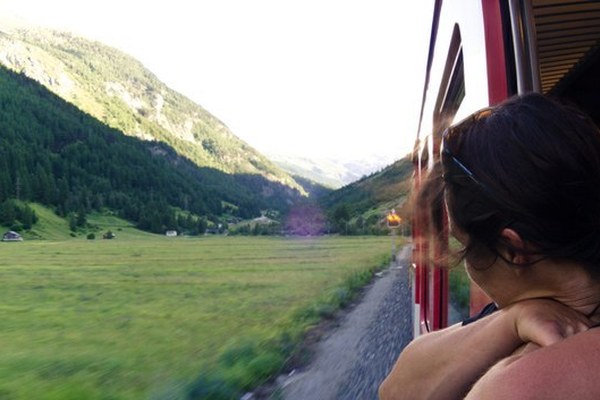
Having one ticket for all public transportation in the entire Alpine region – this is our vision. The Alpine Ticket (AlpTick) makes travelling in the Alps easier, more sustainable and more attractive for young people. It is an idea developed by the CIPRA Youth Council (CYC) based on its members’ experiences of travelling on public transport in the Alps.
CIPRA International | CIPRA Slovenija | CIPRA Deutschland | CIPRA Italia | CIPRA Schweiz | CIPRA France | CIPRA Youth Council
Re.sources
[Project completed] Water, soil, bees, ideas, motivation, time: the Alps contain a wide range of resources. A large part of the natural capital is under threat, while the social potential for more sustainable solutions still slumbers in many places. What are my resources and what are yours? Which ones are in danger and which ones are our lives dependent on? What resources does it take to make a change towards sustainable development in the Alps?