Act now to protect forests: sign the #HandsOffNature petition!
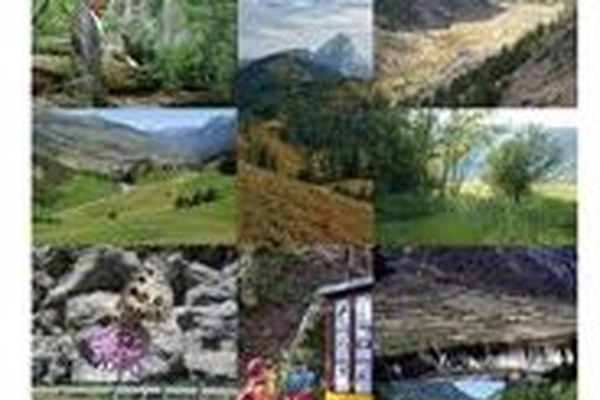
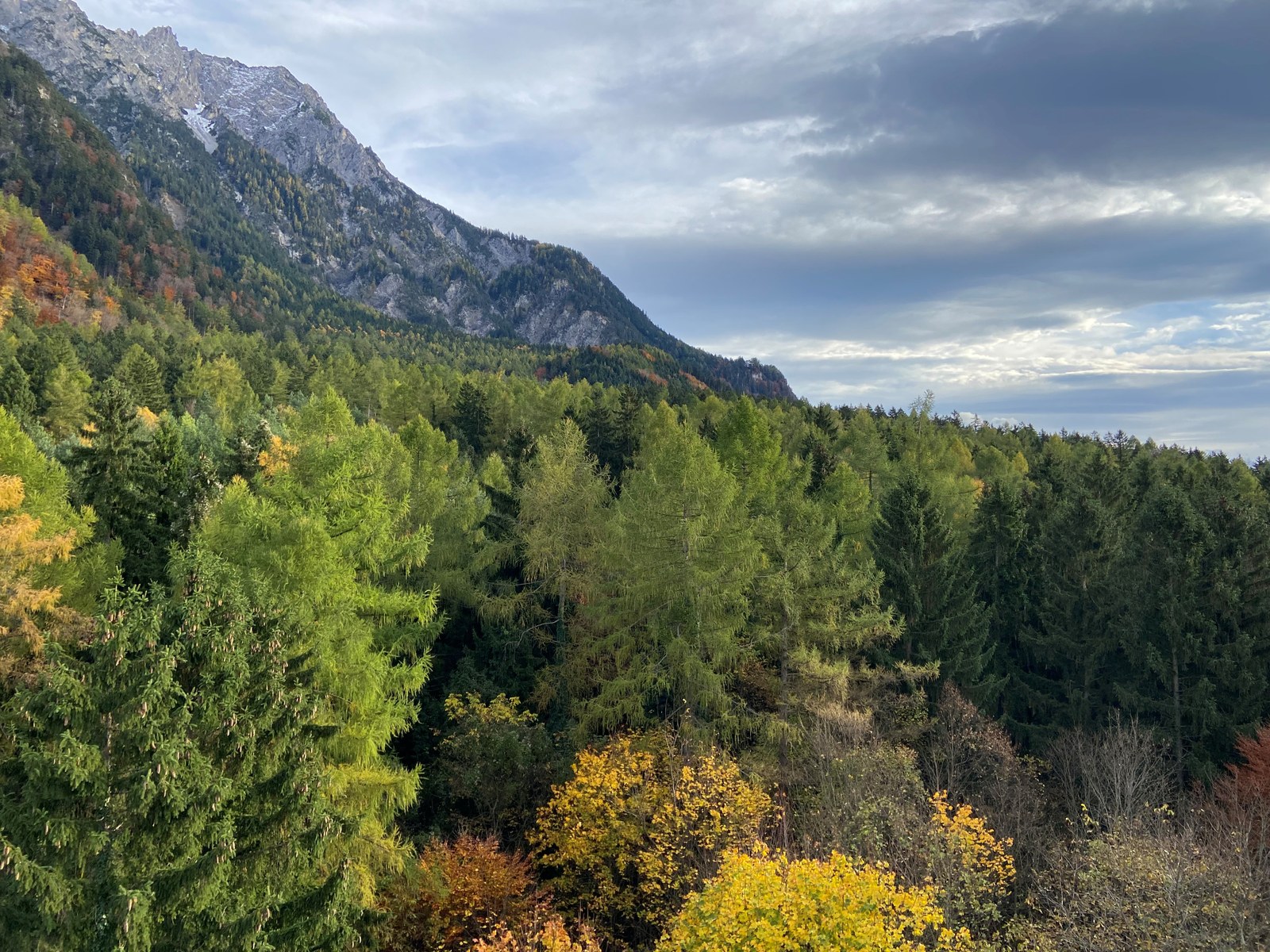
More than 40 percent of the Alpine region is covered by forests. They are not only a defining feature of the landscape, but also a cornerstone of Alpine livelihood, providing building materials, supporting biodiversity, and delivering essential ecosystem services.

Who is CIPRA?
Find out more!
More articles

alpMedia | Schaan, LI
Climate Star 2009
To the motto of a "Short Track to Climate Protection", the Climate Alliance is inviting all European towns, cities and municipalities, for the fourth time, to apply for a Climate Star with an exemplary climate protection project of their own.
alpMedia | Schaan, LI
Climate Action: Energy for a Changing World
In December 2008 the European Commission adopted an integrated energy and climate change policy and defined specific targets for 2020.
alpMedia | Schaan, LI
Alpine glaciers melting the fastest
Data from the World Glacier Monitoring Service for 2007 once again underscores what everyone has feared: the world's glaciers are continuing to melt at an alarming rate.
alpMedia | Schaan, LI
Advanced studies in the field of sustainable tourism
The Swiss Tourism School Siders is offering a new Certificate of Advanced Studies (CAS) in "Heritage and Tourism - The Mountains as a Living, Working and Recreation Environment" in conjunction with the UNESCO World Heritage property of the Swiss Alps Jungfrau-Aletsch-Bietschhorn.
Events
|
Youth Parliament to the Alpine Convention: Climate Resilient Development | ||
|
The Better-Cities Event | Ljubljana | |
|
Local Peaks, Global Learning | online | |
|
Transhumance as Intangible Cultural Heritage of Humanity: A Way Forward? | MUCEM, Marseille/France | |
|
Growing alternative crops for new market opportunities in a changing climate | Vienna/Austria |
Projects
CIPRA International
Ecological Continuum Initiative
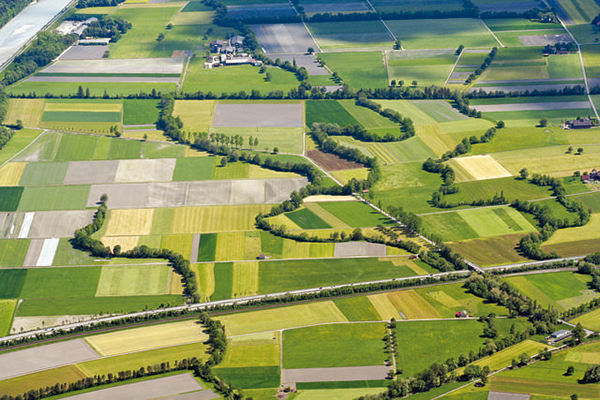
[Project completed] Nature does not stop at the boundaries of protected areas or national borders. And, more and more often, man’s interventions in nature and the landscape are dissecting habitats and lastingly obstructing the exchange and migration of fauna and flora. This is putting Europe’s unique biodiversity in the Alps at risk.