
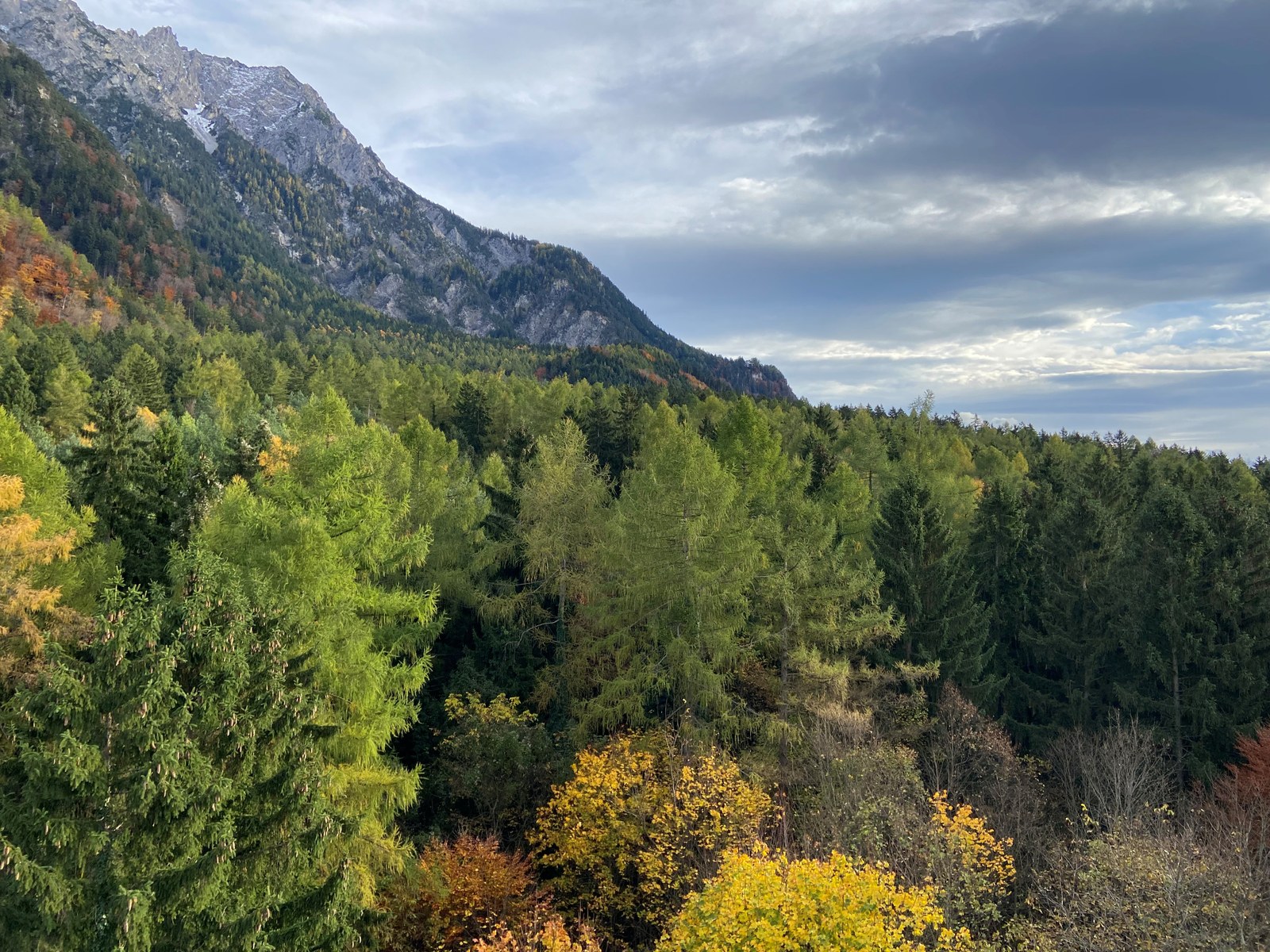
Act now to protect forests: sign the #HandsOffNature petition!
More than 40 percent of the Alpine region is covered by forests. They are not only a defining feature of the landscape, but also a cornerstone of Alpine livelihood, providing building materials, supporting biodiversity, and delivering essential ecosystem services.

Who is CIPRA?
Find out more!
More articles

alpMedia | Schaan, LI
The Andes and the Alps on a single rope team
This year mountain guides from Peru are carrying out part of their training in the Alps at the invitation of their Swiss counterparts. Already back in the early 1980s, the Swiss Mountain Guide Association initiated a professional mountain guide training course in Peru.
alpMedia | Schaan, LI
Cashmere goats for the Aosta Valley
Italy's Aosta Valley is to introduce cashmere goats in a bid to start a breeding project. The regional office for agriculture states that the goats can be kept outdoors all year round and are happy to graze even on difficult terrain.
alpMedia | Schaan, LI
EU measures on climate change
When the time comes for the new European Commission to take office in 2009, it is possible that the EU will appoint a Commissioner for Climate Change, according to the environmental news service ENDS Europe Daily.
alpMedia | Schaan, LI
2008 King Albert Mountain Award
The King Albert I Memorial Foundation held its annual award ceremony in Pontresina/CH on 6 September.
Events
|
Symposium 2: Vernacular Buildings in the Anthropocene | Austrian Academy of Sciences, Vienna (Austria) |
Projects
CIPRA International | CIPRA Deutschland | CIPRA Italia | CIPRA France
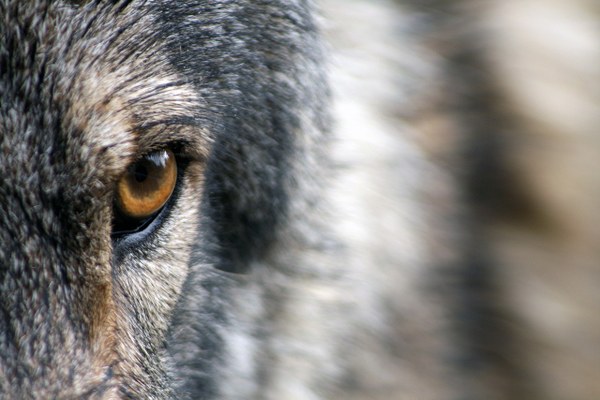
Knowledge transfer on the co-adaptation of humans and wolves in the Alpine region
[Project completed] The return of large carnivores is increasingly causing the fronts to harden between different groups of stakeholders. Among the large carnivores returning to the Alps, the wolf is the most widespread and therefore the most widely debated animal. Wolves are synanthropic animals and cross boundaries - physical as well as intangible ones – regularly. Thus, they have been accompanying and influencing social and cultural processes since time immemorial. In this project, CIPRA has taken on the task to collect, analyse, make available and disseminate knowledge about the co-adaptation of humans and wolves throughout the Alps.