
Act now to protect forests: sign the #HandsOffNature petition!
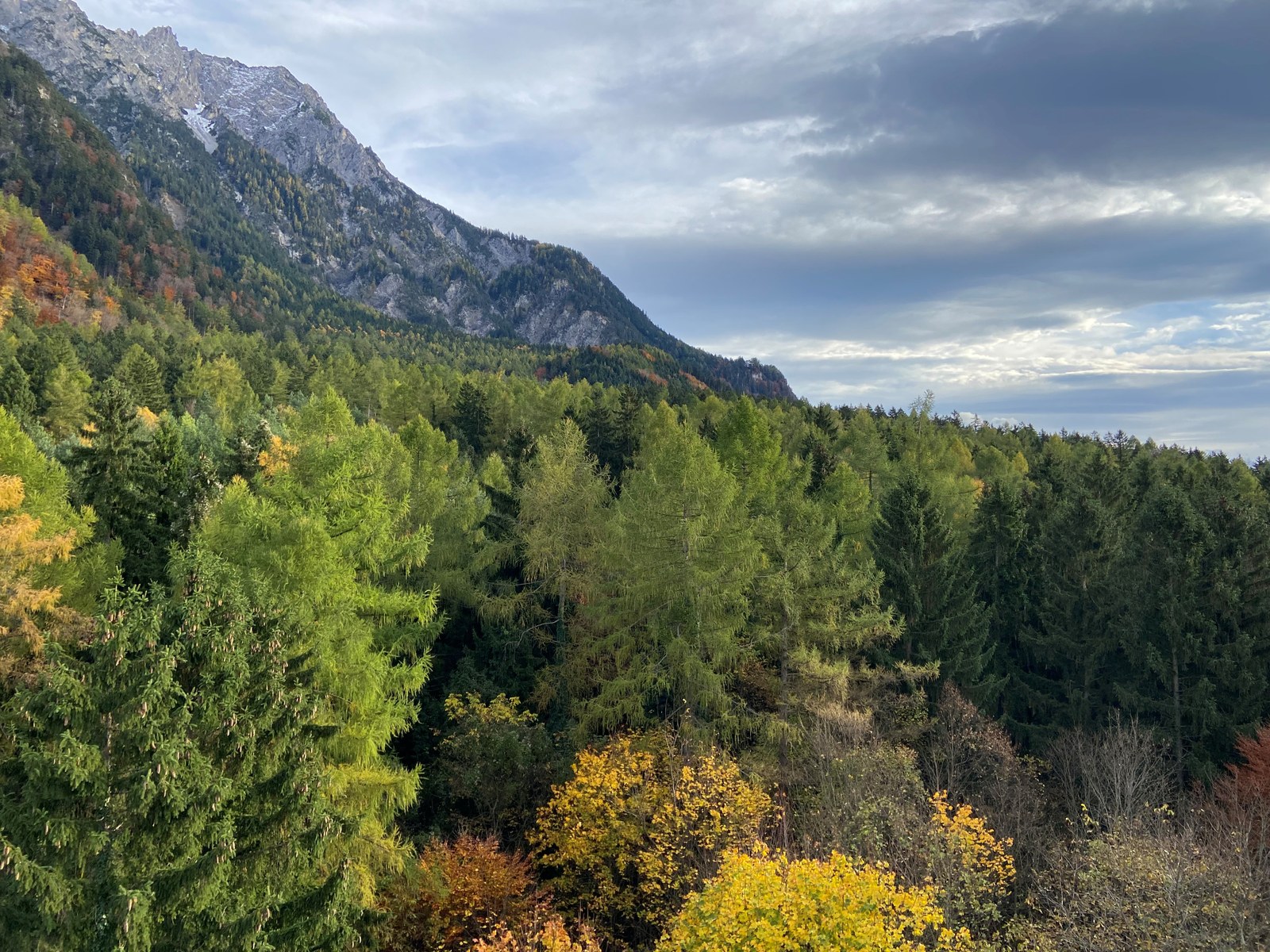
More than 40 percent of the Alpine region is covered by forests. They are not only a defining feature of the landscape, but also a cornerstone of Alpine livelihood, providing building materials, supporting biodiversity, and delivering essential ecosystem services.

Who is CIPRA?
Find out more!
More articles
alpMedia | Schaan, LI
Modifications to Alpine plant communities
A recent French study into 171 woodland plants in temperate regions shows how plant species have already adjusted to climate change, with a significant upward shift in species optimum elevation averaging 29 meters per decade in response to rising global temperatures.
alpMedia | Schaan, LI
EU: Legally enforceable right to clean air
The European Court of Justice (ECJ) has ruled that citizens have a legally enforceable right to clean air. Individuals affected by high concentrations of particulate matter can now call on the courts throughout the EU to ensure that effective measures are taken to improve the quality of the air.
alpMedia | Schaan, LI
New World Heritage sites in the Alps
In July the UNESCO World Heritage Committee added another 27 cultural and natural sites to the World Heritage List, including three located in the Alpine region, namely the Swiss Tectonic Arena Sardona with the Glarus overthrust, the cross-border (CH/I) Rhaetian Railway in the Albula/Bernina Landscapes and the fortifications of Vauban in France.
alpMedia | Schaan, LI
Database on municipal development in the Alps
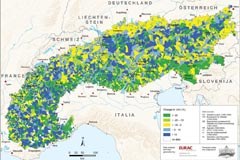
How do my town and region perform in terms of employment, demographics, structural diversity, agricultural and near-natural land use, structural change in agriculture, and landscape fragmentation in the Alpine space?
Projects
CIPRA International
Reset Alpine Tourism
[Project completed] "Reset Alpine Tourism" brought together relevant tourism stakeholders to discuss climate protection and sustainable development in tourism.
CIPRA International
speciAlps2
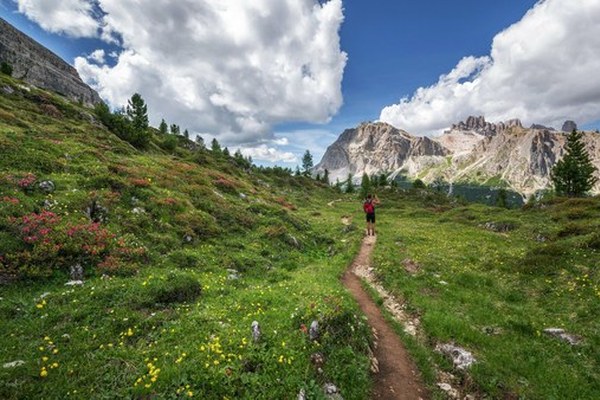
[Project completed] More and more people are seeking recreation and balance in the natural surroundings of the Alps. This trend is not only being reinforced by the corona crisis, but also by society’s increasing pressure to perform. This puts increasing pressure on animals and plants, but also on destinations with their infrastructure and inhabitants. It is essential for visitors to be guided: the speciAlps2 project raised awareness of the protection of nature and landscape in the Alps and developed measures to guide visitors.
CIPRA International
Green Deals for Municipalities
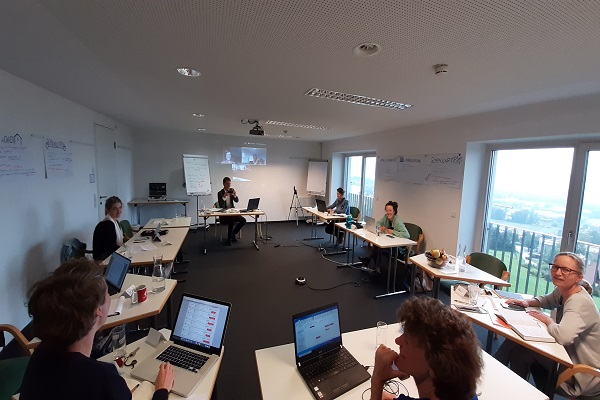
[Project completed] “Think globally – act locally”: promoting local action requires comprehensive skills and wide-ranging knowledge of the people working locally for climate protection. Partner organisations from Germany, Liechtenstein and Austria are now developing a participatory process under a transnational EU project. The goal is to empower local initiatives to act more effectively on climate protection in a global context.