
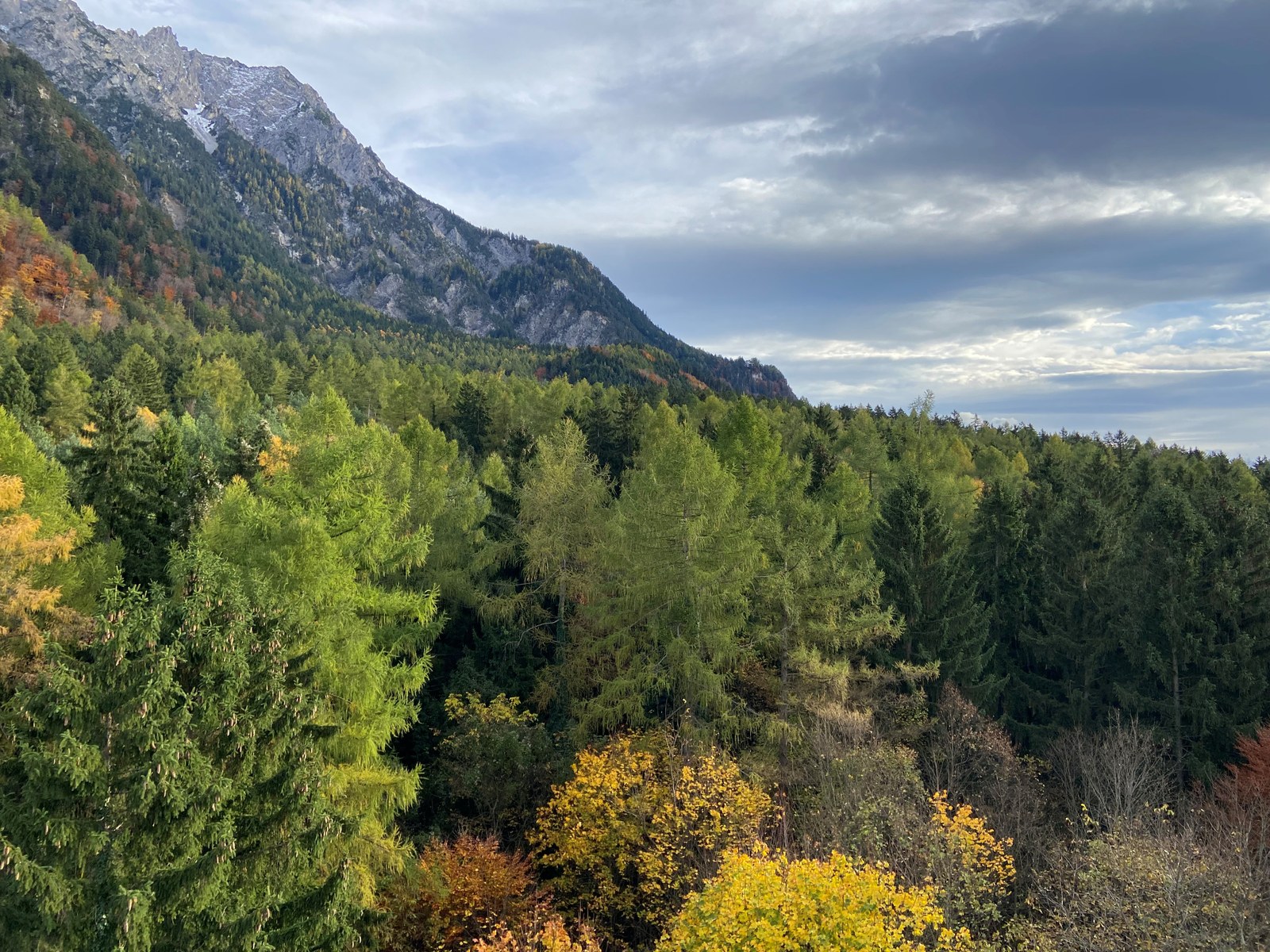
Act now to protect forests: sign the #HandsOffNature petition!
More than 40 percent of the Alpine region is covered by forests. They are not only a defining feature of the landscape, but also a cornerstone of Alpine livelihood, providing building materials, supporting biodiversity, and delivering essential ecosystem services.

Who is CIPRA?
Find out more!
More articles
alpMedia | Schaan, LI
Modifications to Alpine plant communities
A recent French study into 171 woodland plants in temperate regions shows how plant species have already adjusted to climate change, with a significant upward shift in species optimum elevation averaging 29 meters per decade in response to rising global temperatures.
alpMedia | Schaan, LI
EU: Legally enforceable right to clean air
The European Court of Justice (ECJ) has ruled that citizens have a legally enforceable right to clean air. Individuals affected by high concentrations of particulate matter can now call on the courts throughout the EU to ensure that effective measures are taken to improve the quality of the air.
alpMedia | Schaan, LI
New World Heritage sites in the Alps
In July the UNESCO World Heritage Committee added another 27 cultural and natural sites to the World Heritage List, including three located in the Alpine region, namely the Swiss Tectonic Arena Sardona with the Glarus overthrust, the cross-border (CH/I) Rhaetian Railway in the Albula/Bernina Landscapes and the fortifications of Vauban in France.
alpMedia | Schaan, LI
Database on municipal development in the Alps
How do my town and region perform in terms of employment, demographics, structural diversity, agricultural and near-natural land use, structural change in agriculture, and landscape fragmentation in the Alpine space?
Events
|
Symposium 2: Vernacular Buildings in the Anthropocene | Austrian Academy of Sciences, Vienna (Austria) |
Projects
CIPRA International
Living Labs
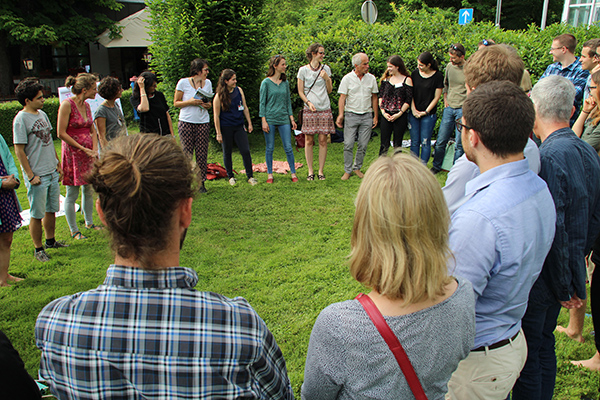
[Project completed] The project “Living Labs” brought together people of different ages from different Alpine countries to work together on process and know-how on selected topics. The project approach was participative and based on the principles of co-creation between young talents aged 18-30 years, environmental NGOs, civil society and politicians. The participants of this intergenerational project are committed to the sustainable development of the Alps at local, national and international level. For a desirable future it is important to set the right course today and to talk about how existing natural resources can be used sustainably.
CIPRA International | CIPRA Deutschland | CIPRA France | CIPRA Italia | CIPRA Slovenija
Sustainable Alpine Tourism
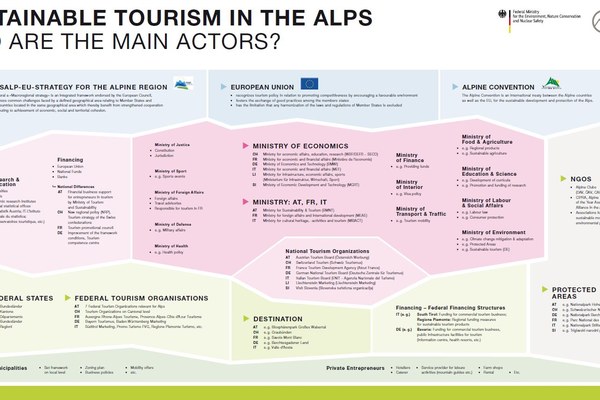
[Project completed] Sustainable tourism in the Alps is the only long-term alternative to conventional mass tourism in order to safeguard the habitat for nature and people. So far, however, there is a lack of jointly defined framework conditions on anational or alpine level for planning, promoting and implementing sustainable tourism.
CIPRA International
Cross-border mobility
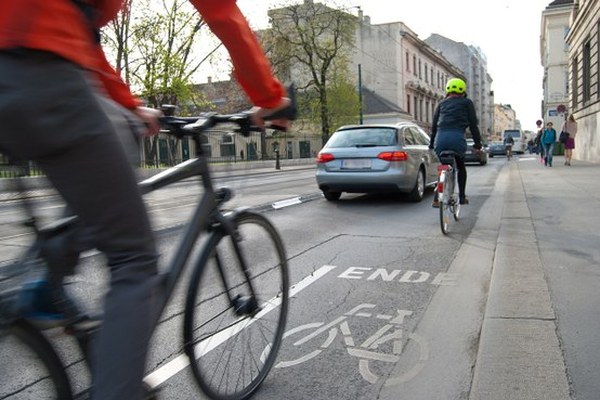
[Project completed] Tens of thousands of commuters move across national borders every day in the Alpine region. Existing traffic routes, however, were mostly built with a purely national perspective and are not geared to cross-border commuter flows. The result is overloaded roads, noise and pollution for local residents.