
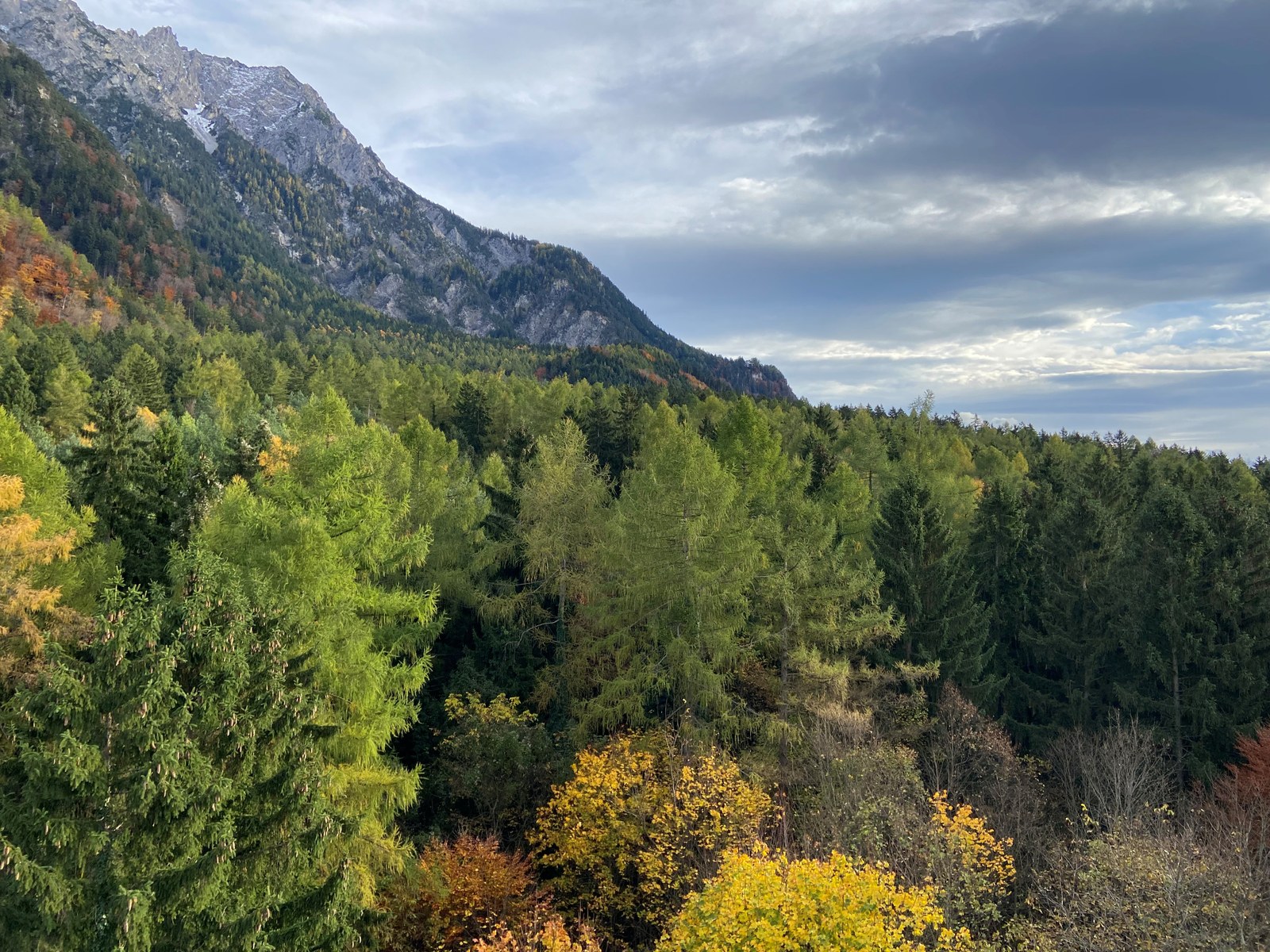
Act now to protect forests: sign the #HandsOffNature petition!
More than 40 percent of the Alpine region is covered by forests. They are not only a defining feature of the landscape, but also a cornerstone of Alpine livelihood, providing building materials, supporting biodiversity, and delivering essential ecosystem services.

Who is CIPRA?
Find out more!
More articles
alpMedia | Schaan, LI
Modifications to Alpine plant communities
A recent French study into 171 woodland plants in temperate regions shows how plant species have already adjusted to climate change, with a significant upward shift in species optimum elevation averaging 29 meters per decade in response to rising global temperatures.
alpMedia | Schaan, LI
EU: Legally enforceable right to clean air
The European Court of Justice (ECJ) has ruled that citizens have a legally enforceable right to clean air. Individuals affected by high concentrations of particulate matter can now call on the courts throughout the EU to ensure that effective measures are taken to improve the quality of the air.
alpMedia | Schaan, LI
New World Heritage sites in the Alps
In July the UNESCO World Heritage Committee added another 27 cultural and natural sites to the World Heritage List, including three located in the Alpine region, namely the Swiss Tectonic Arena Sardona with the Glarus overthrust, the cross-border (CH/I) Rhaetian Railway in the Albula/Bernina Landscapes and the fortifications of Vauban in France.
alpMedia | Schaan, LI
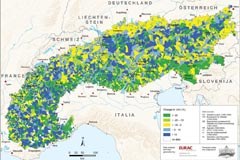
Database on municipal development in the Alps
How do my town and region perform in terms of employment, demographics, structural diversity, agricultural and near-natural land use, structural change in agriculture, and landscape fragmentation in the Alpine space?
Events
|
Symposium 2: Vernacular Buildings in the Anthropocene | Austrian Academy of Sciences, Vienna (Austria) |
Projects
CIPRA International | CIPRA Deutschland | CIPRA Italia | CIPRA France
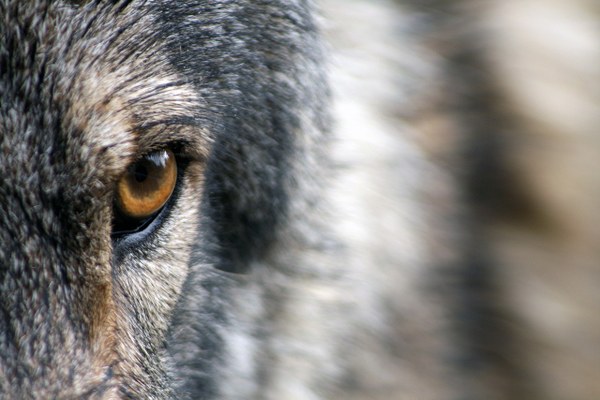
Knowledge transfer on the co-adaptation of humans and wolves in the Alpine region
[Project completed] The return of large carnivores is increasingly causing the fronts to harden between different groups of stakeholders. Among the large carnivores returning to the Alps, the wolf is the most widespread and therefore the most widely debated animal. Wolves are synanthropic animals and cross boundaries - physical as well as intangible ones – regularly. Thus, they have been accompanying and influencing social and cultural processes since time immemorial. In this project, CIPRA has taken on the task to collect, analyse, make available and disseminate knowledge about the co-adaptation of humans and wolves throughout the Alps.