
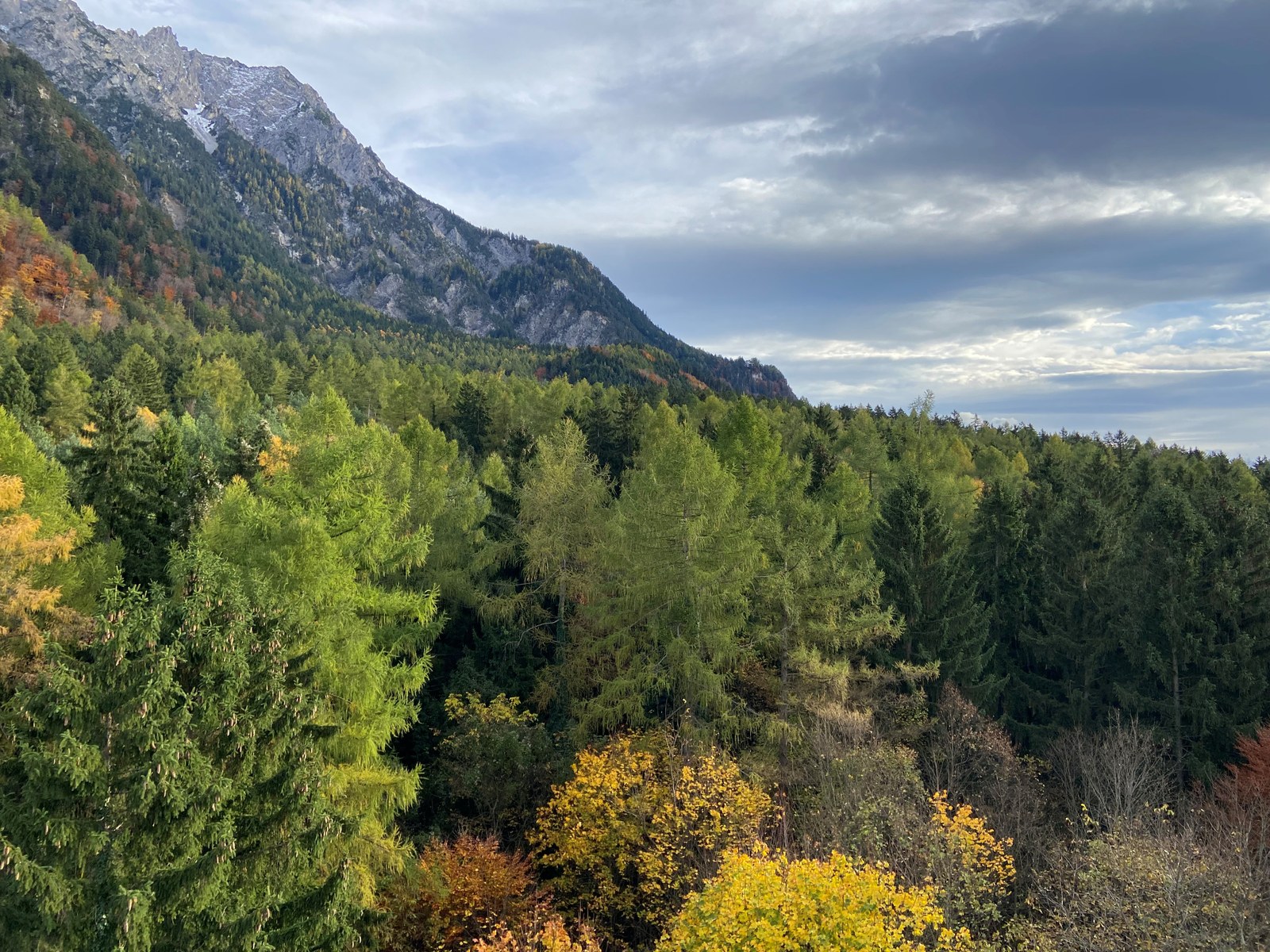
Act now to protect forests: sign the #HandsOffNature petition!
More than 40 percent of the Alpine region is covered by forests. They are not only a defining feature of the landscape, but also a cornerstone of Alpine livelihood, providing building materials, supporting biodiversity, and delivering essential ecosystem services.

Who is CIPRA?
Find out more!
More articles
Nora Leszczynski, CIPRA International
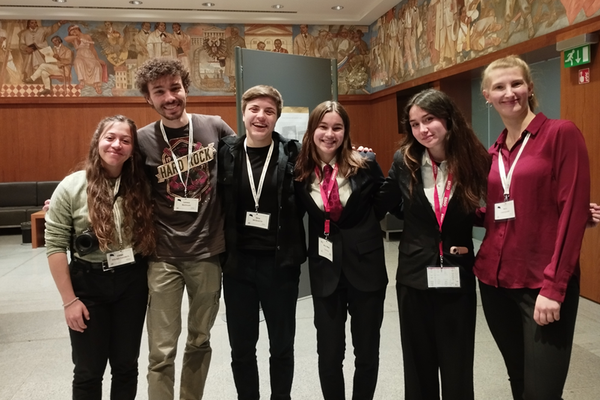
The Youth Parliament to the Alpine Convention campaigns for Alpine protected areas
A limited number of entrance tickets for protected areas, the designation of infrastructure-free zones and an excursion to protected areas anchored in the curriculum: the 18th Youth Parliament to the Alpine Convention (YPAC) focused on Alpine nature reserves. For the first time, there was also an exchange with the CIPRA Youth Council.

Serena Arduino & Jutta Staffler
Challenges for alpine agriculture
Loss of biodiversity, climate change, migration: just some of the problems affecting the Alpine region. The concept of agroecology offers sustainable solutions - but we have to implement them together.

Michael Gams, CIPRA International
The urban exodus and the climate
Many mountain regions in the Alps are affected by out-migration. However, climate change is also causing some people to migrate – at least temporarily – from the cities to the mountains, as an Italian research project shows.
Katarina Žemlja, CIPRA Slovenia
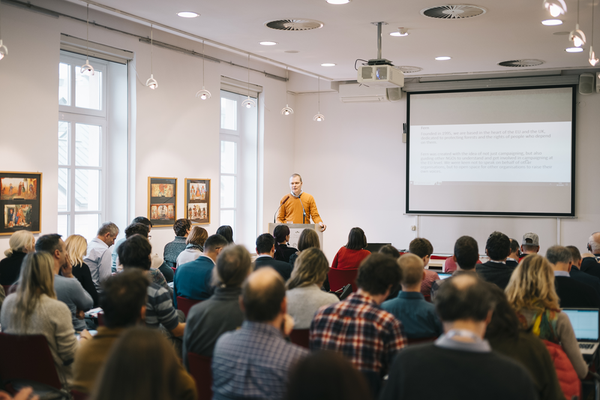
The role of forests in climate change
What role will forests play in the future in the face of climate change? At the end of 2023, CIPRA Slovenia co-organized a meeting of various interest groups on this topic. Experts agreed on the need to designate more areas where forests are left unmanaged.
Events
|
Symposium 2: Vernacular Buildings in the Anthropocene | Austrian Academy of Sciences, Vienna (Austria) |
Projects
CIPRA Deutschland | CIPRA France
DINAMO
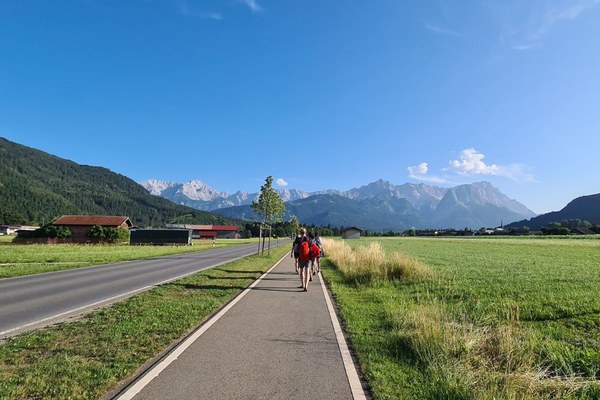
[Project competed] In many rural areas of the Alps, public transport services are inadequate for daily needs and tourism development. In some remote mountain regions, this is one of the reasons why there is a considerable amount of car traffic, especially on weekends, public holidays and during rush hours. There are various reasons for this, including the high cost of public transport solutions due to low population density, inadequate public transport options (such as timetables, accessibility, connectivity, travel time and costs) and political and social preferences in favour of private motorised transport.

CIPRA International Lab
LISTEN
The LISTEN project is analysing the use of space in suburbs on the basis of three pilot regions in Belgium, Sweden and Austria. CIPRA Lab GmbH is working together with partners from research and regional stakeholders.
CIPRA International Lab
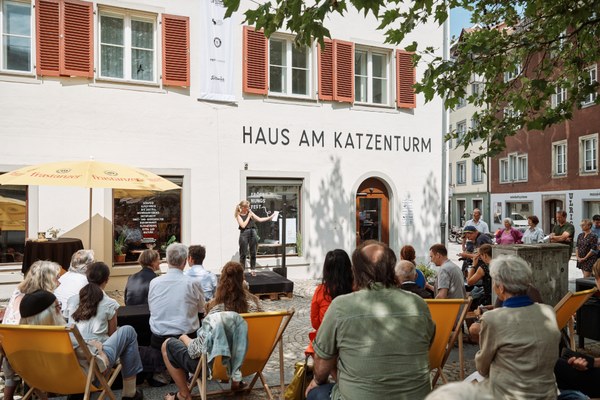
Haus am Katzenturm Association
[Project completed] Along with the association of the same name in Feldkirch/A, the “Haus am Katzenturm” networks NGOs from the environmental and nature conservation sector in the Lake Constance region and makes their topics accessible to a broad public.