
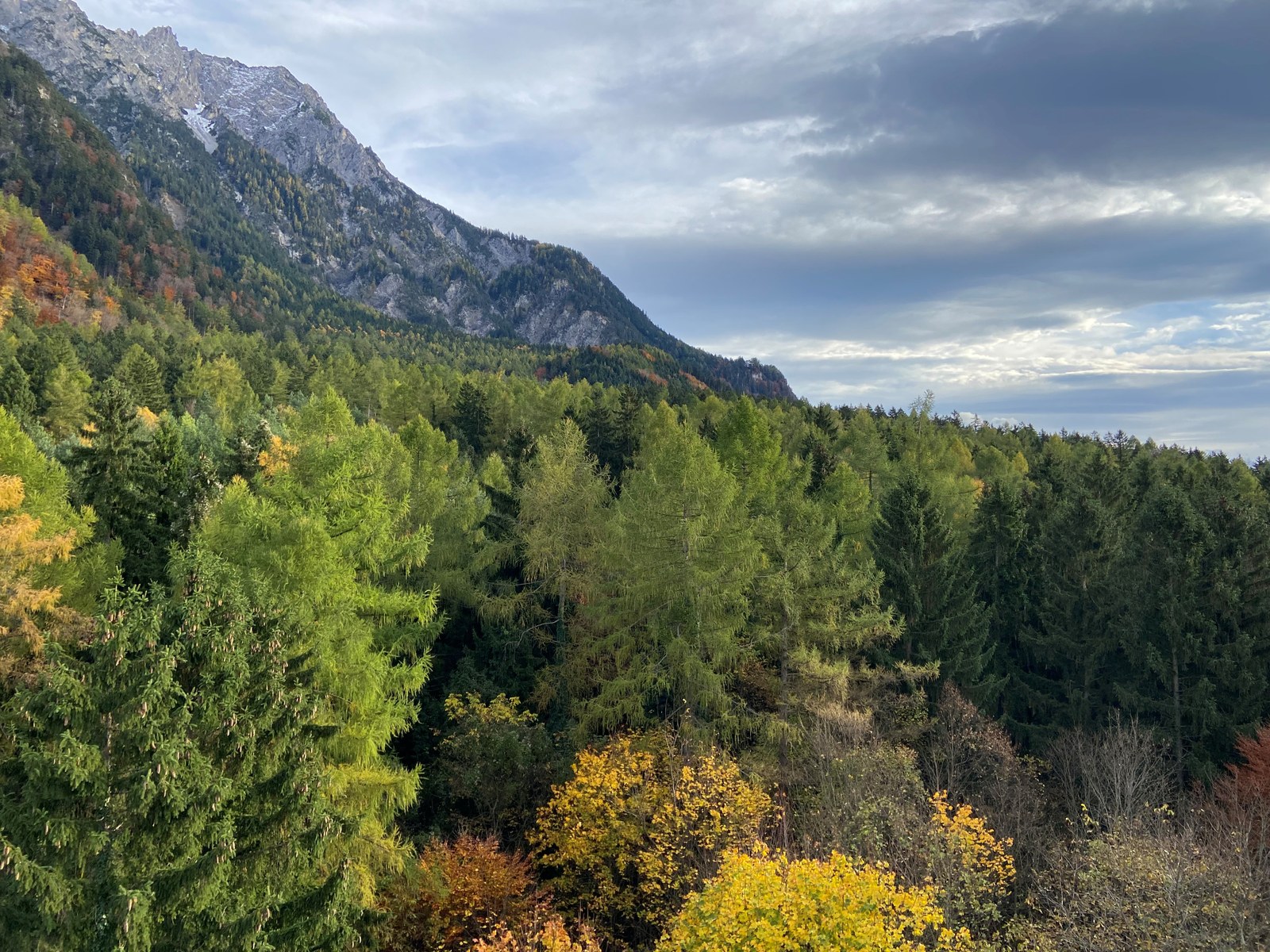
Act now to protect forests: sign the #HandsOffNature petition!
More than 40 percent of the Alpine region is covered by forests. They are not only a defining feature of the landscape, but also a cornerstone of Alpine livelihood, providing building materials, supporting biodiversity, and delivering essential ecosystem services.

Who is CIPRA?
Find out more!
More articles
Nora Leszczynski, CIPRA International
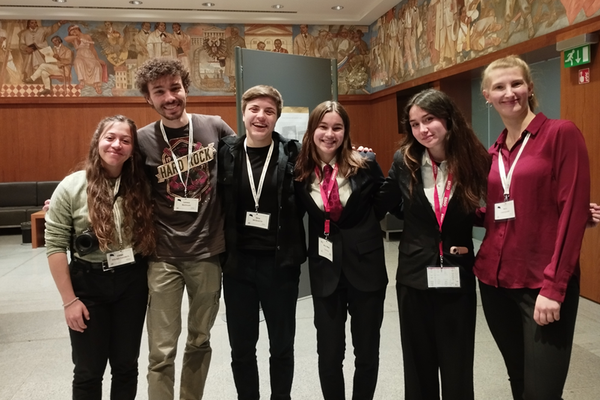
The Youth Parliament to the Alpine Convention campaigns for Alpine protected areas
A limited number of entrance tickets for protected areas, the designation of infrastructure-free zones and an excursion to protected areas anchored in the curriculum: the 18th Youth Parliament to the Alpine Convention (YPAC) focused on Alpine nature reserves. For the first time, there was also an exchange with the CIPRA Youth Council.
Serena Arduino & Jutta Staffler
Challenges for alpine agriculture
Loss of biodiversity, climate change, migration: just some of the problems affecting the Alpine region. The concept of agroecology offers sustainable solutions - but we have to implement them together.

Michael Gams, CIPRA International
The urban exodus and the climate
Many mountain regions in the Alps are affected by out-migration. However, climate change is also causing some people to migrate – at least temporarily – from the cities to the mountains, as an Italian research project shows.
Katarina Žemlja, CIPRA Slovenia
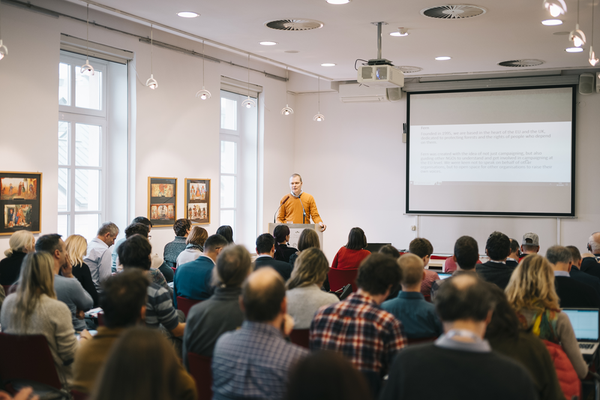
The role of forests in climate change
What role will forests play in the future in the face of climate change? At the end of 2023, CIPRA Slovenia co-organized a meeting of various interest groups on this topic. Experts agreed on the need to designate more areas where forests are left unmanaged.
Events
|
Symposium 2: Vernacular Buildings in the Anthropocene | Austrian Academy of Sciences, Vienna (Austria) |
Projects
CIPRA International
Living Labs
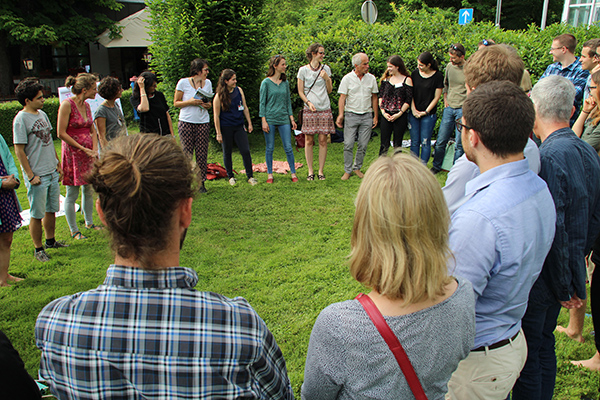
[Project completed] The project “Living Labs” brought together people of different ages from different Alpine countries to work together on process and know-how on selected topics. The project approach was participative and based on the principles of co-creation between young talents aged 18-30 years, environmental NGOs, civil society and politicians. The participants of this intergenerational project are committed to the sustainable development of the Alps at local, national and international level. For a desirable future it is important to set the right course today and to talk about how existing natural resources can be used sustainably.
CIPRA International | CIPRA Deutschland | CIPRA France | CIPRA Italia | CIPRA Slovenija
Sustainable Alpine Tourism
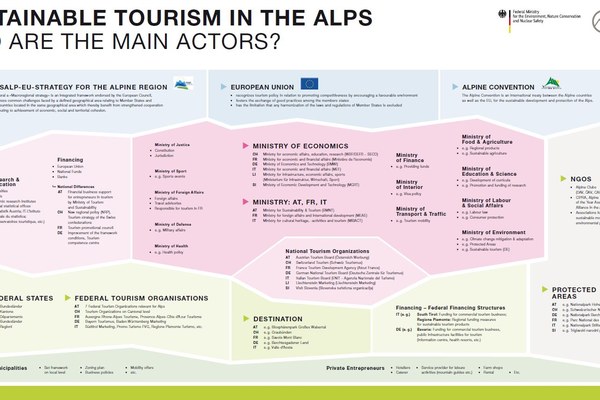
[Project completed] Sustainable tourism in the Alps is the only long-term alternative to conventional mass tourism in order to safeguard the habitat for nature and people. So far, however, there is a lack of jointly defined framework conditions on anational or alpine level for planning, promoting and implementing sustainable tourism.
CIPRA International
Cross-border mobility
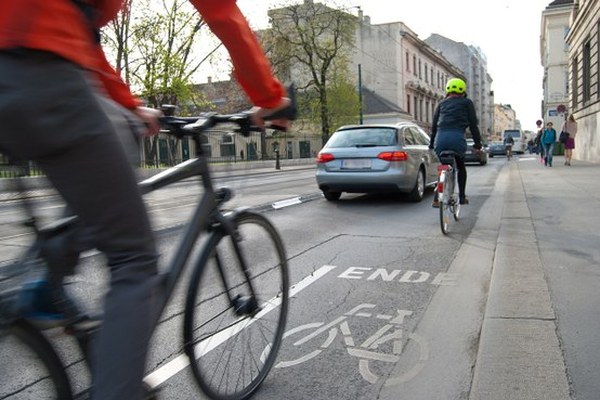
[Project completed] Tens of thousands of commuters move across national borders every day in the Alpine region. Existing traffic routes, however, were mostly built with a purely national perspective and are not geared to cross-border commuter flows. The result is overloaded roads, noise and pollution for local residents.