
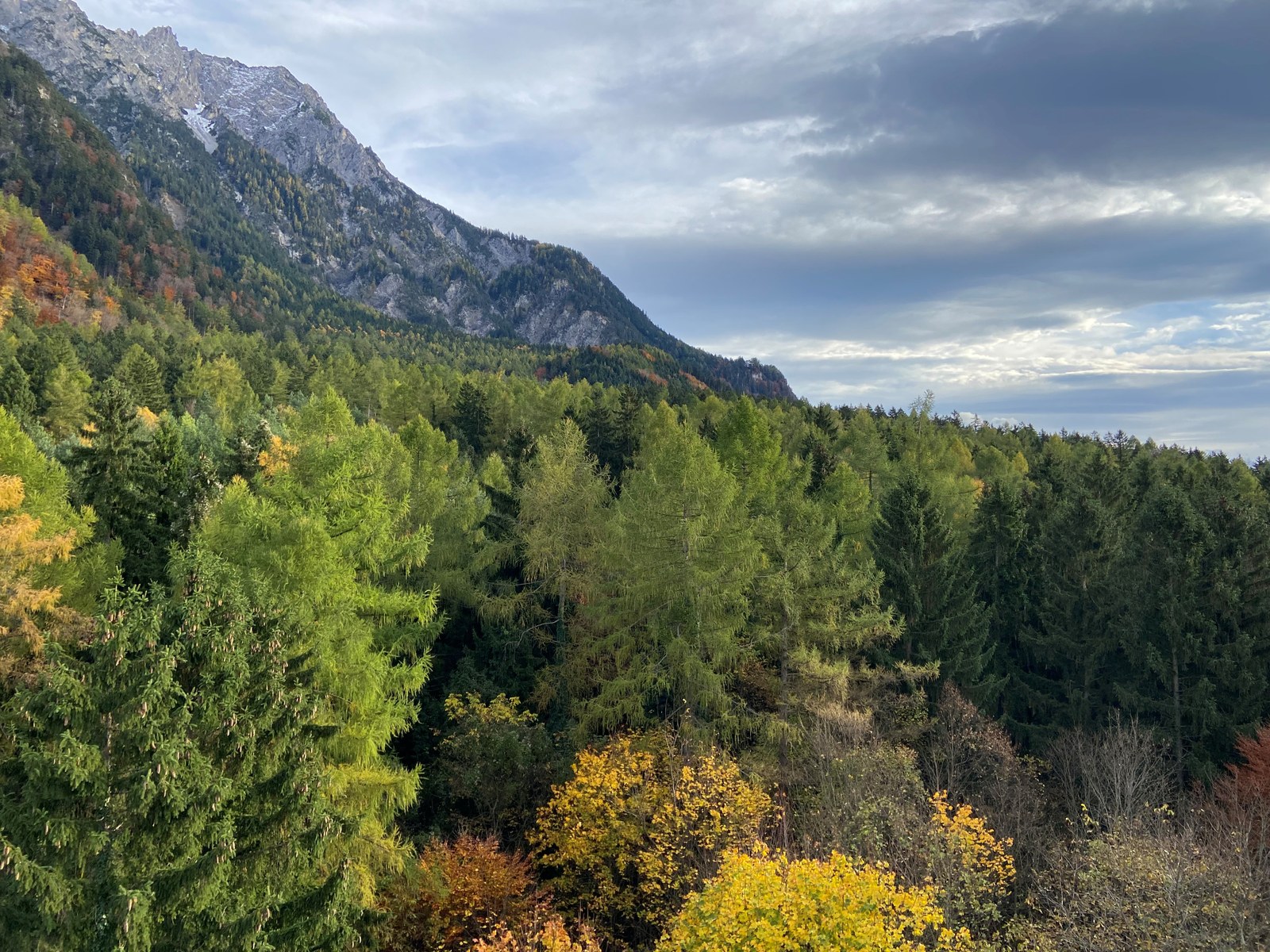
Act now to protect forests: sign the #HandsOffNature petition!
More than 40 percent of the Alpine region is covered by forests. They are not only a defining feature of the landscape, but also a cornerstone of Alpine livelihood, providing building materials, supporting biodiversity, and delivering essential ecosystem services.

Who is CIPRA?
Find out more!
More articles
Nora Leszczynski, CIPRA International
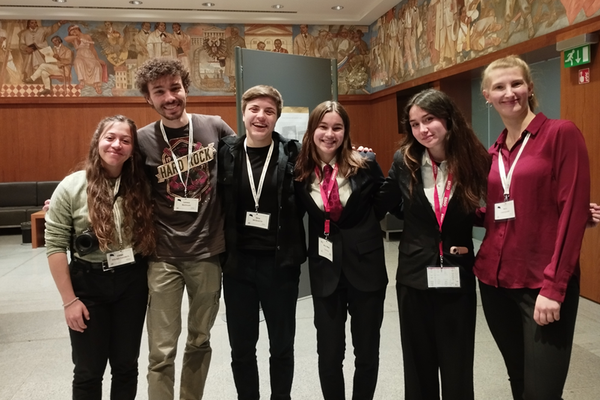
The Youth Parliament to the Alpine Convention campaigns for Alpine protected areas
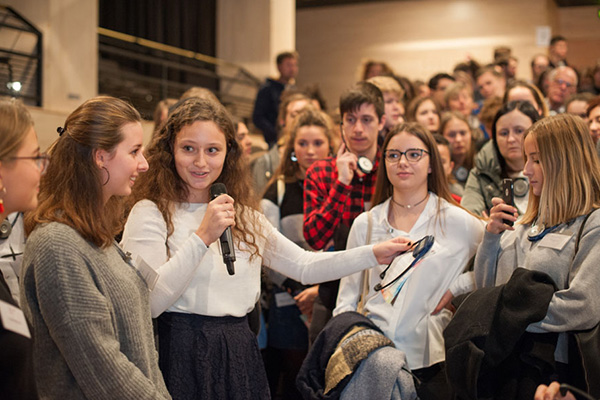
A limited number of entrance tickets for protected areas, the designation of infrastructure-free zones and an excursion to protected areas anchored in the curriculum: the 18th Youth Parliament to the Alpine Convention (YPAC) focused on Alpine nature reserves. For the first time, there was also an exchange with the CIPRA Youth Council.

Serena Arduino & Jutta Staffler
Challenges for alpine agriculture
Loss of biodiversity, climate change, migration: just some of the problems affecting the Alpine region. The concept of agroecology offers sustainable solutions - but we have to implement them together.

Michael Gams, CIPRA International
The urban exodus and the climate
Many mountain regions in the Alps are affected by out-migration. However, climate change is also causing some people to migrate – at least temporarily – from the cities to the mountains, as an Italian research project shows.
Katarina Žemlja, CIPRA Slovenia
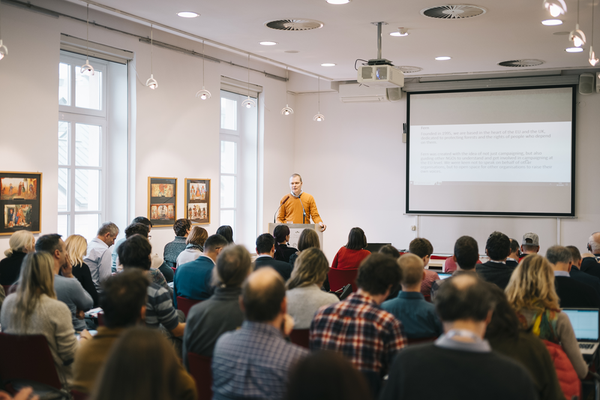
The role of forests in climate change
What role will forests play in the future in the face of climate change? At the end of 2023, CIPRA Slovenia co-organized a meeting of various interest groups on this topic. Experts agreed on the need to designate more areas where forests are left unmanaged.
Events
|
Trento Film Festival | Santa Croce street, 67; I-38122 Trento | |
|
ForumAlpinum 2026 | Aosta | |
|
Webinar: The journey of water | online | |
|
XIV European Mountain Convention | Sallanches / France | |
|
Alps in Motion: new Alpine-wide Day of Action | alpswide |
Projects

CIPRA International Lab
PlurAlps
[Project completed] The Alpine area is experiencing the combined challenges of an ageing population and new migration models. At the same time, opportunities for social innovation and development arise from increasing cultural diversity and pluralism. Mountainous and peripheral Alpine municipalities and regions are specifically concerned and need technical support and new approaches to develop a welcoming culture, which should be credibly embraced and implemented by municipalities, SMEs and civil society.
CIPRA International
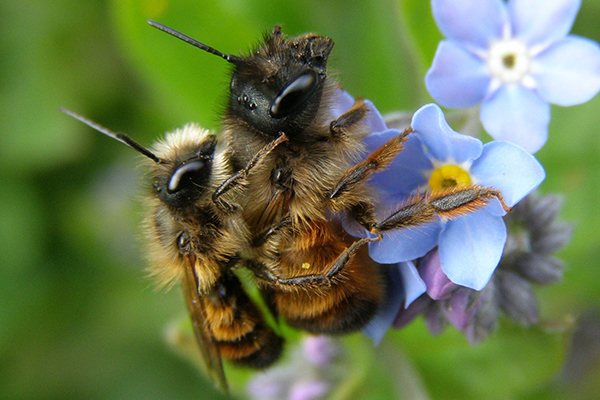
BeeAware!
[Project completed] The aim of the project BeeAware! is to inspire communities in the Alps for bee protection and thus to improve the livelihoods of honey and wild bees. Bees are depending on an intact biodiversity. The different bee species need different plants, nesting and drinking places in order to survive. Integral bee protection therefore means securing, improving and enlarging the habitat of these important pollinators.
CIPRA International
GaYA
[Project completed] Governance and youth in the Alps - Young people tend to leave the Alpine space because they lack personal and professional fulfilment. Furthermore a majority of decision-makers remain unaware of the benefits a young active population brings to society.