
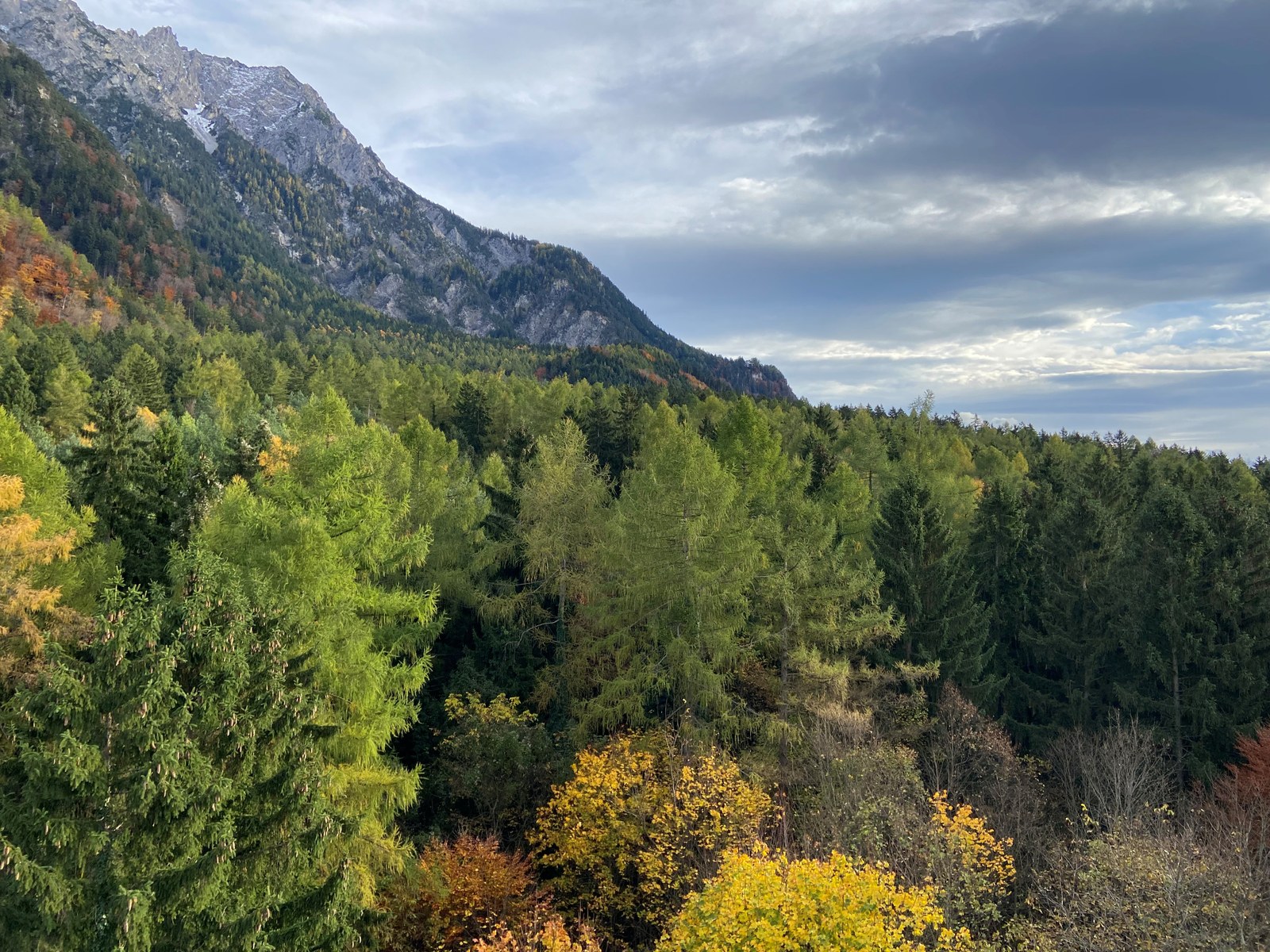
Act now to protect forests: sign the #HandsOffNature petition!
More than 40 percent of the Alpine region is covered by forests. They are not only a defining feature of the landscape, but also a cornerstone of Alpine livelihood, providing building materials, supporting biodiversity, and delivering essential ecosystem services.

Who is CIPRA?
Find out more!
More articles
alpMedia | Schaan, LI
Energy supplies at risk from shrinking glaciers
The shrinkage of the Mer de Glace in the French Alps is having a tangible impact on the use of hydropower.
alpMedia | Schaan, LI
Stable glaciers in Central Asia
Global warming is not causing all the world's glaciers to melt at the same rate.
alpMedia | Schaan, LI
ClimChAlp Project completed
The final conference in Laufen/D on 12 March 2008 marked the end of the Interreg IIIB Alpine Space Project "ClimChAlp" (Climate Change, Impacts and Adaptation Strategies in the Alpine Space).
alpMedia | Schaan, LI
Switzerland's first village hotel
The entire village of Vná in the Lower Engadine is to become a hotel as of May 1.
Events
|
Trento Film Festival | Santa Croce street, 67; I-38122 Trento | |
|
ForumAlpinum 2026 | Aosta | |
|
Webinar: The journey of water | online | |
|
XIV European Mountain Convention | Sallanches / France | |
|
Alps in Motion: new Alpine-wide Day of Action | alpswide |
Projects
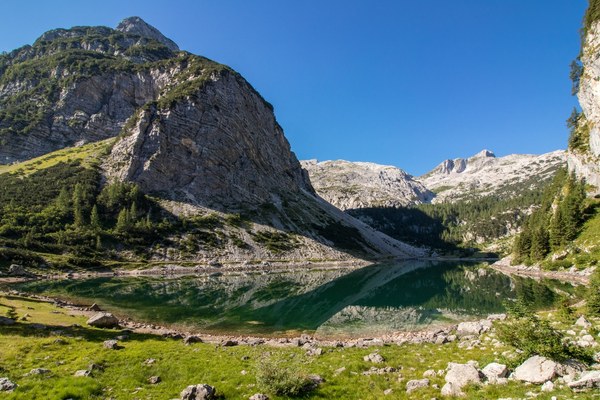
Responsible management of mountain water resources
Mountain regions constitute a unique yet fragile natural environment that provides habitat for numerous rare and endemic species. Their biodiversity is rich, yet highly vulnerable. These areas host a variety of aquatic ecosystems—rivers, streams, lakes, wetlands and peat bogs — which have very limited self-purification capacity and are extremely sensitive to change. Their condition is directly affected by climate change and human activities.
CIPRA International
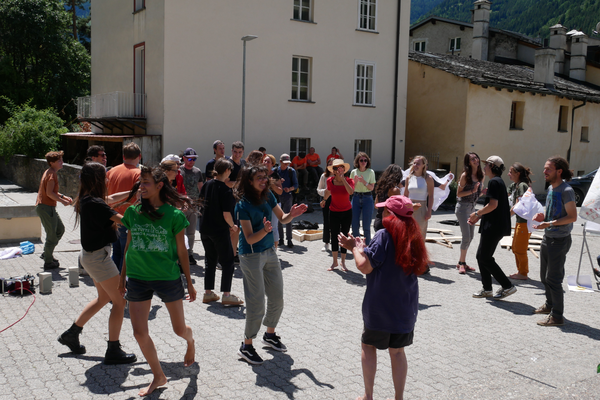
Alpine Changemaker Network
How can we advance eco-social transformation in the Alpine region? The Alpine Changemaker Network project combines Alpine traditions, as reflected in contemporary art, culture and design, with current approaches to overcoming global crises.
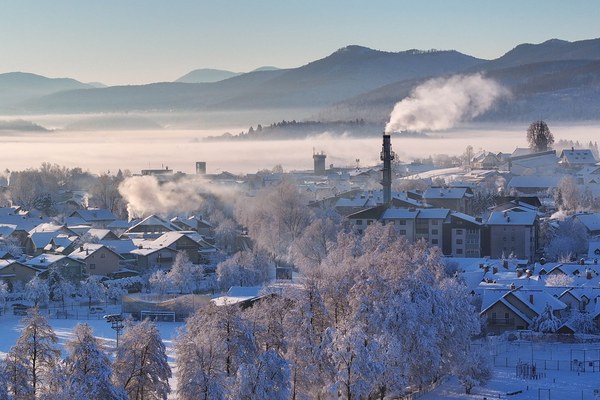
Heating of buildings and air quality 2.0
The project represents a continuation of efforts to reduce air pollution resulting from improper combustion in individual furnaces. Particular attention is paid to the use of outdated wood biomass combustion devices, which contribute significantly to emissions of particles that are harmful to health.