
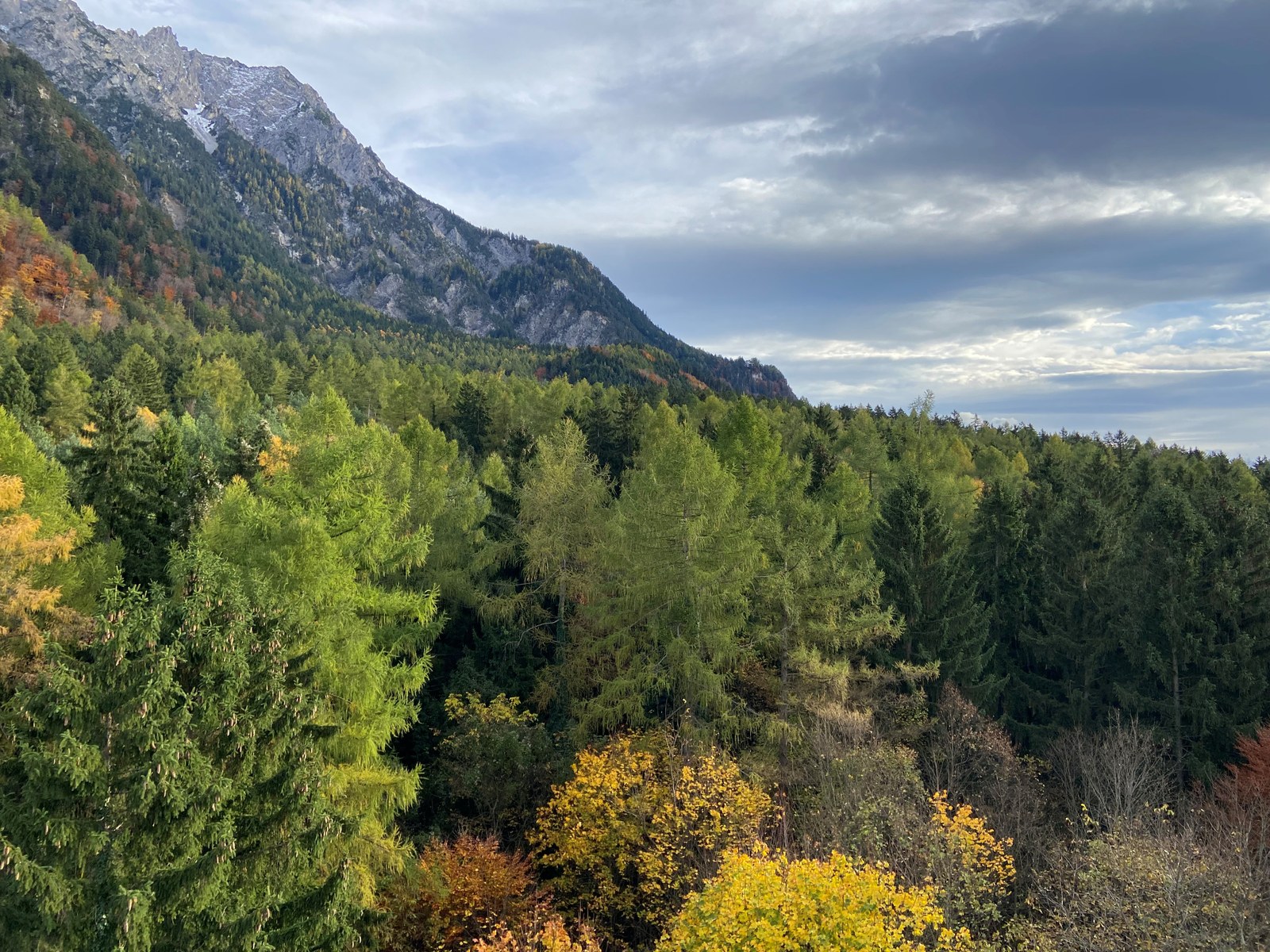
Act now to protect forests: sign the #HandsOffNature petition!
More than 40 percent of the Alpine region is covered by forests. They are not only a defining feature of the landscape, but also a cornerstone of Alpine livelihood, providing building materials, supporting biodiversity, and delivering essential ecosystem services.

Who is CIPRA?
Find out more!
More articles
alpMedia | Schaan, LI
Energy supplies at risk from shrinking glaciers
The shrinkage of the Mer de Glace in the French Alps is having a tangible impact on the use of hydropower.
alpMedia | Schaan, LI
Stable glaciers in Central Asia
Global warming is not causing all the world's glaciers to melt at the same rate.
alpMedia | Schaan, LI
ClimChAlp Project completed
The final conference in Laufen/D on 12 March 2008 marked the end of the Interreg IIIB Alpine Space Project "ClimChAlp" (Climate Change, Impacts and Adaptation Strategies in the Alpine Space).
alpMedia | Schaan, LI
Switzerland's first village hotel
The entire village of Vná in the Lower Engadine is to become a hotel as of May 1.
Events
|
Symposium 2: Vernacular Buildings in the Anthropocene | Austrian Academy of Sciences, Vienna (Austria) |
Projects
CIPRA International
Alpine Climate Action
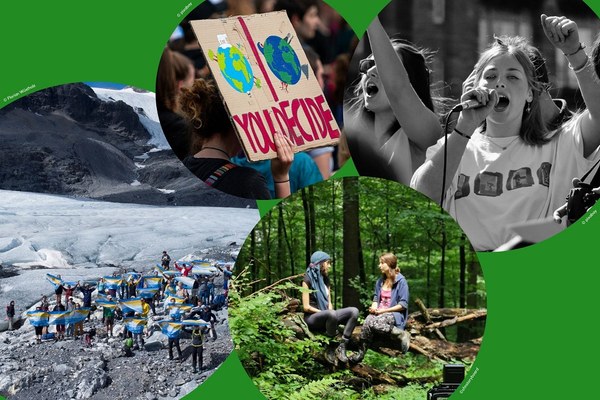
[Project completed] From classic forms of political participation to creative methods of non-violent civil resistance: in four online workshops, young adults learn about a range of political engagement – and how they can use it to campaign for climate protection.
CIPRA International
Saving:Soils
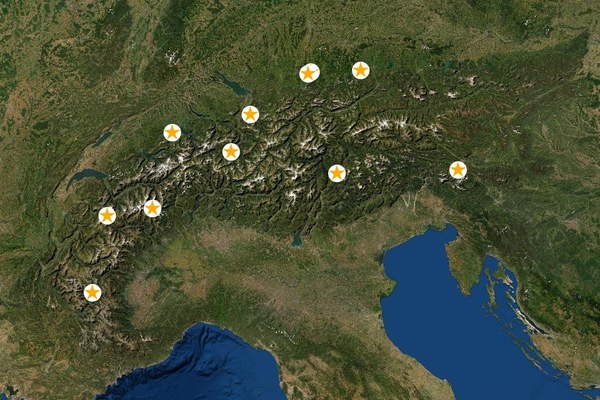
[Project completed] With its project “Saving:Soils”, CIPRA is working for a trend reversal in the use of land in peri-urban areas in order to put scientific findings into practice, make pilot examples visible and encourage imitation.
CIPRA International
Alpine Convention - Sectoral development of the Green Economy in the Alpine region
[Project completed] Promoting environmentally sustainable growth while recognising ecological limits: the Green Economy is low-carbon, resource-efficient and socially inclusive. This form of economy preserves the Alpine ecosystem while making use of existing natural capital.