
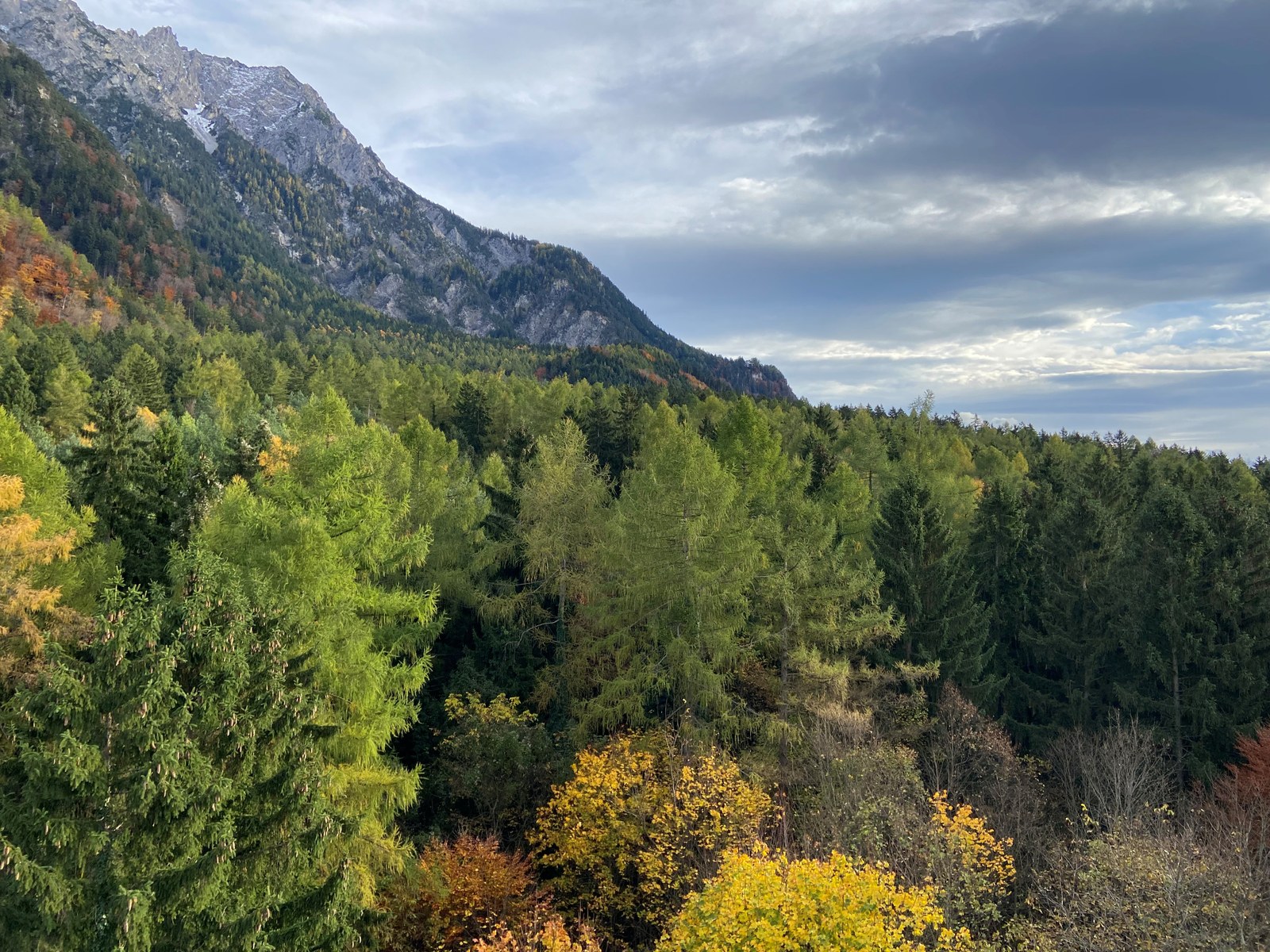
Act now to protect forests: sign the #HandsOffNature petition!
More than 40 percent of the Alpine region is covered by forests. They are not only a defining feature of the landscape, but also a cornerstone of Alpine livelihood, providing building materials, supporting biodiversity, and delivering essential ecosystem services.

Who is CIPRA?
Find out more!
More articles
CIPRA Internationale Alpenschutzkommission | Schaan, LI
International workshop series "Disseminating Knowledge - Networking People" Transport and visitor management in mountain areas
On May 10 and 11 CIPRA International and CIPRA Slovenia organised a workshop on the topic of "Transport and Visitor Management in Mountain Areas". It became clear already with the first contributions that there are no straightforward answers when it comes to the relationship between transport development and regional development. There are areas of the Alps which do well economically despite being difficult to access.
CIPRA Internationale Alpenschutzkommission | Schaan, LI
International workshop series "Disseminating Knowledge - Networking People" Rural-urban co-operation: A challenge for the Alpine region
The eighth workshop in the series on "Disseminating Knowledge - Networking People" was held in Autrans on June 4 and 5 and focused on the subject of regional concepts and rural-urban co-operation. The organisers, CIPRA France and the further education organisation Association de Formation des Ruraux aux Activités du Tourisme, provided an opportunity for an exchange of views on the shift in relations between rural and urban areas.
CIPRA Internationale Alpenschutzkommission | Schaan, LI
What's new on www.cipra.org/zukunft
Brig, Klagenfurt and Chiavenna: Workshop documentation is now online The workshop on "The Forestry Sector in Regional Policy - Options for Sustainable Development in the Alpine Region" organised by the Further Education in Forestry and Landscape jointly with CIPRA was held in Brig/CH on March 28 and 29.
CIPRA Internationale Alpenschutzkommission | Schaan, LI
Global know-how transfer: Workshop in the Ukraine and international further education programme
One of the aims of Future in the Alps is to make the findings gained from the project available to mountain regions beyond the Alps, too. To this end, CIPRA, together with the international organisation Green Dossier, held a workshop in the Ukraine from 31 May to 2 June on solving conflicts in protected areas.
Events
|
Youth Parliament to the Alpine Convention: Climate Resilient Development | ||
|
The Better-Cities Event | Ljubljana | |
|
Local Peaks, Global Learning | online | |
|
Transhumance as Intangible Cultural Heritage of Humanity: A Way Forward? | MUCEM, Marseille/France | |
|
Growing alternative crops for new market opportunities in a changing climate | Vienna/Austria |
Projects
CIPRA International
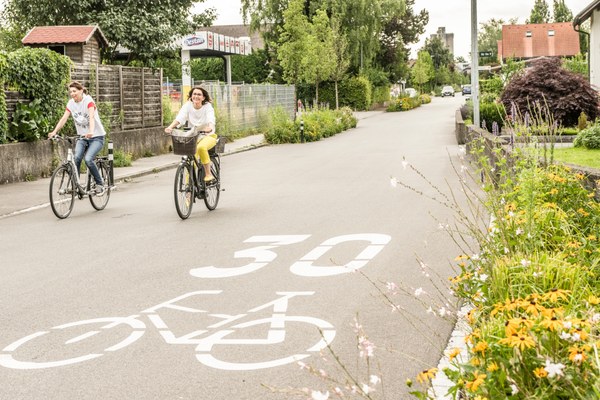
Climate-friendly streetscapes
Whether travelling by car, public transport, bicycle or on foot, roads and their immediate surroundings are probably the most important part of our daily journeys. Against the backdrop of the climate crisis, they can become a problem because they increase the heat island effect and seal the ground. The project, based in the Alpine Rhine Valley, aims to make road spaces fair, climate-friendly and health-promoting.
CIPRA International
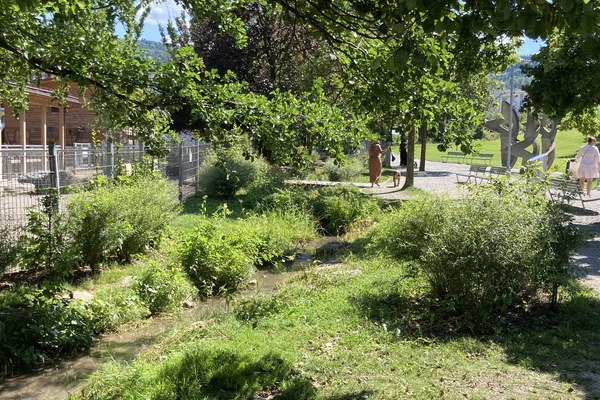
Nature-based solutions and their governance structures in the Alpine region
In view of the global challenges of climate change and biodiversity loss, the use of nature-based solutions (NbS) is becoming increasingly important. On behalf of the German Federal Environment Agency, ifuplan (lead) and CIPRA International are preparing a report on “Nature-based solutions and governance structures in the Alpine region”. The aim of the report is to analyse the potential of various NbS in the Alpine region and the governance mechanisms behind them that ensure their success. Based on this, their transferability to other Alpine regions will be analysed and recommendations for action formulated.
CIPRA International
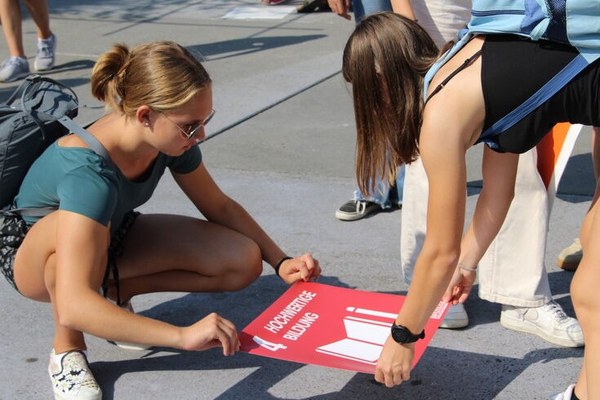
Ars vivendi
[Project completed] How can the Sustainable Development Goals (SDGs) be learned and taught? In the project «ars vivendi» a didactic tool for the Global Agenda 2030 is being developed.