Act now to protect forests: sign the #HandsOffNature petition!
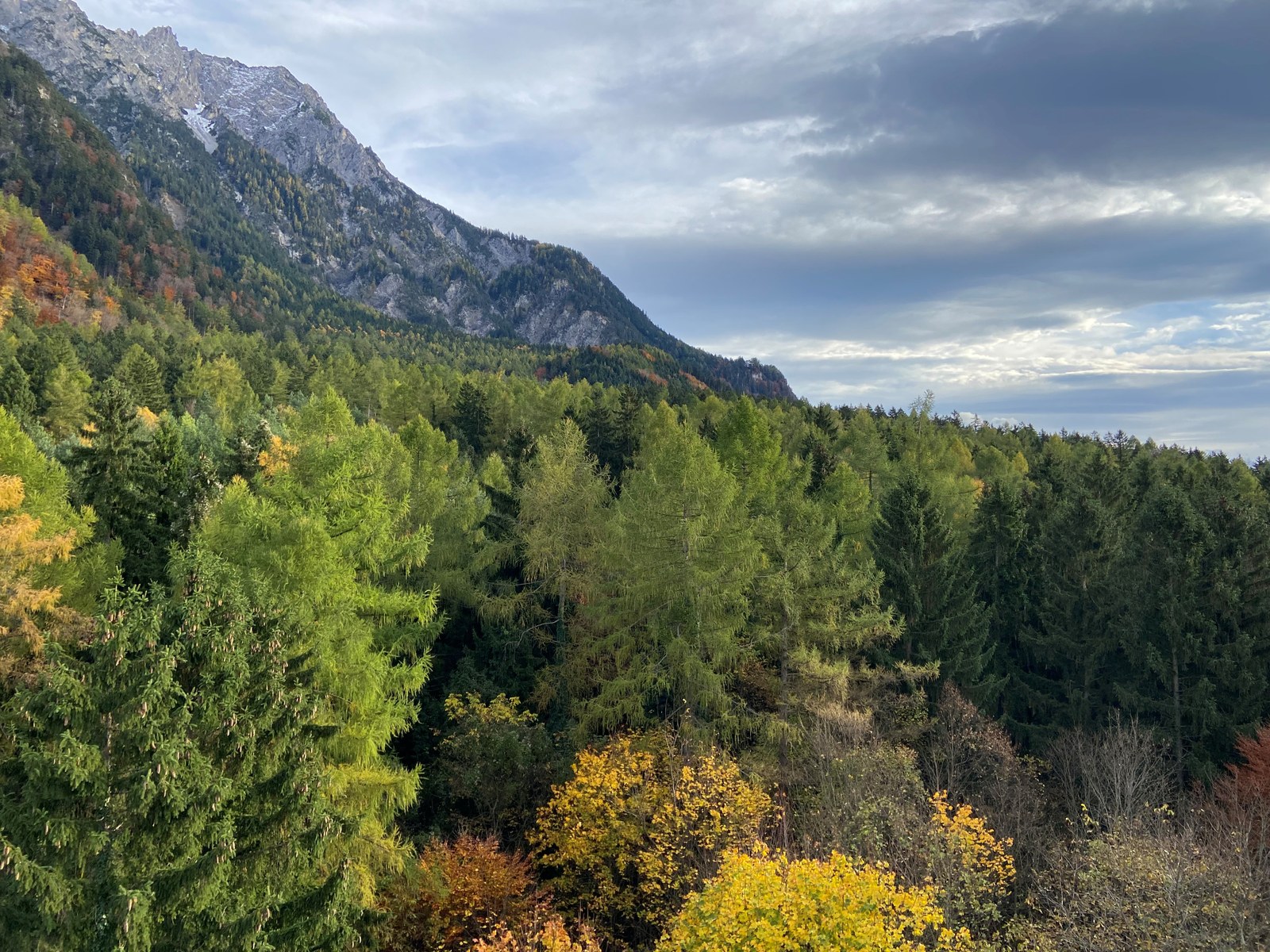
More than 40 percent of the Alpine region is covered by forests. They are not only a defining feature of the landscape, but also a cornerstone of Alpine livelihood, providing building materials, supporting biodiversity, and delivering essential ecosystem services.

Who is CIPRA?
Find out more!
More articles
alpMedia | Schaan, LI
An outgoing airport for the Allgäu
In the view of the project's initiators the opening of the Memmingerberg regional airport in the Allgäu/D on 28 June represents the "opportunity of the century". Bavaria subsidised the project to the tune of €7.3 m, with total investments amounting to €20 m.
alpMedia | Schaan, LI
International Conference: The Alps beyond Kyoto
CIPRA, the International Commission for the Protection of the Alps, is organising an international conference on energy efficiency and renewable energies in the Alpine region from 20 to 22 September.
alpMedia | Schaan, LI
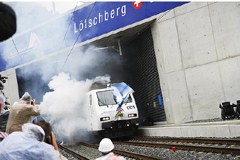
The Alps' longest railway tunnel
Last weekend saw the official inauguration ceremony of the Lötschberg base tunnel in Switzerland after a construction period of eight years. At 34.6 km it is the third longest railway tunnel in the world. The new link between the Bernese Oberland and the Valais drastically reduces the journey time.
alpMedia | Schaan, LI
Workshop series "Getting Knowledge Across - Networking People": Documentation online
CIPRA, the International Commission for the Protection of the Alps, has made available for download the documentation on four workshops of its Future in the Alps Project.
Events
|
Youth Parliament to the Alpine Convention: Climate Resilient Development | ||
|
The Better-Cities Event | Ljubljana | |
|
Local Peaks, Global Learning | online | |
|
Transhumance as Intangible Cultural Heritage of Humanity: A Way Forward? | MUCEM, Marseille/France | |
|
Growing alternative crops for new market opportunities in a changing climate | Vienna/Austria |
Projects
CIPRA International
Ecological Continuum Initiative
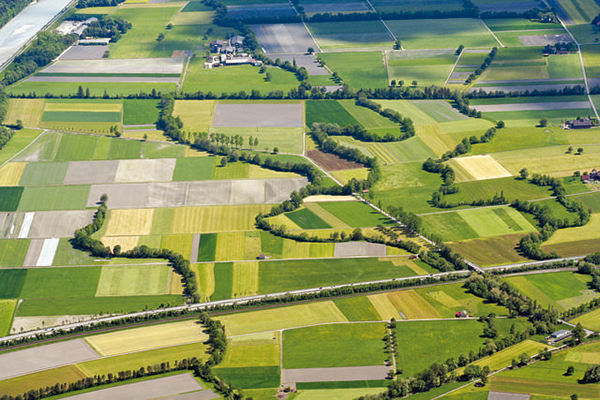
[Project completed] Nature does not stop at the boundaries of protected areas or national borders. And, more and more often, man’s interventions in nature and the landscape are dissecting habitats and lastingly obstructing the exchange and migration of fauna and flora. This is putting Europe’s unique biodiversity in the Alps at risk.