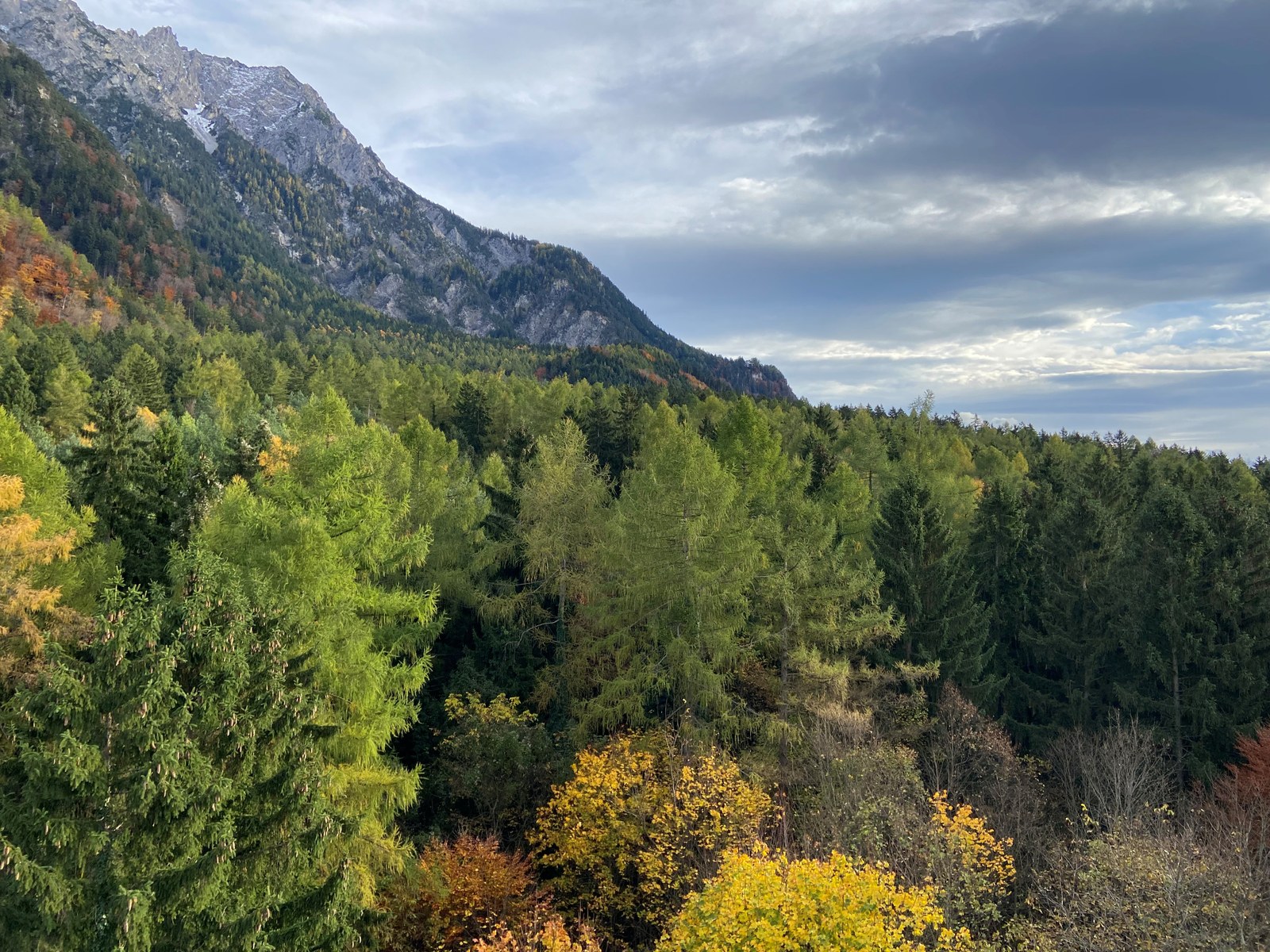
Act now to protect forests: sign the #HandsOffNature petition!

More than 40 percent of the Alpine region is covered by forests. They are not only a defining feature of the landscape, but also a cornerstone of Alpine livelihood, providing building materials, supporting biodiversity, and delivering essential ecosystem services.

CIPRA France


Would you like to find out more about CIPRA's country representative in France? Click here!

More news
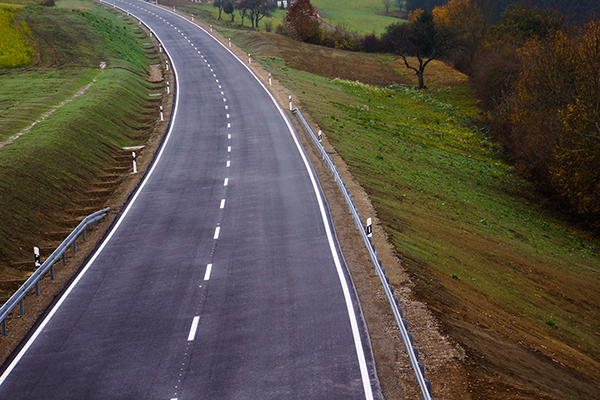
French Alps now almost networked
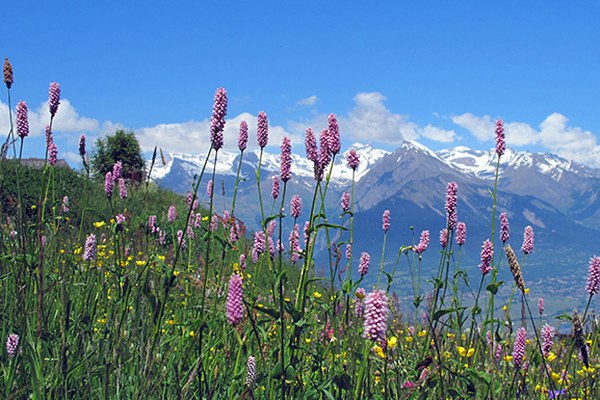
The French regions of Rhône-Alpes and Provence-Alpes-Côte d'Azur have for the first time enshrined migration routes for plants and animals in legislation – a first in the French mountains.
How policies can enable biodiversity
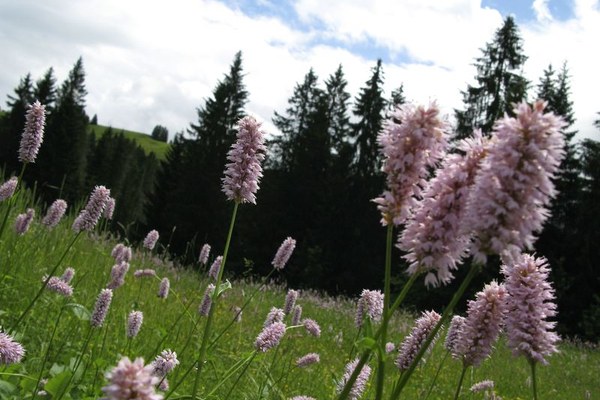
From 13 – 15 October 2014, the conference “How Policy can enable Biodiversity” will highlight opportunities for supporting biodiversity at the international and the local level. The conference, which will be held in Chambéry/F, will also present the findings of the greenAlps project.
Looking for answers to resource shortages
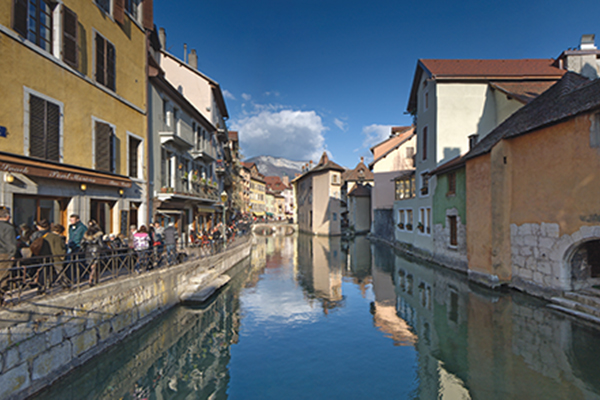
Resources are finite, including those in the Alps. What solutions are available for living a good life that do not simply depend on ever more consumption? Some answers will be provided at the CIPRA Annual Conference to be held in November 2014 in Annecy, France
Bad atmosphere in the Alps
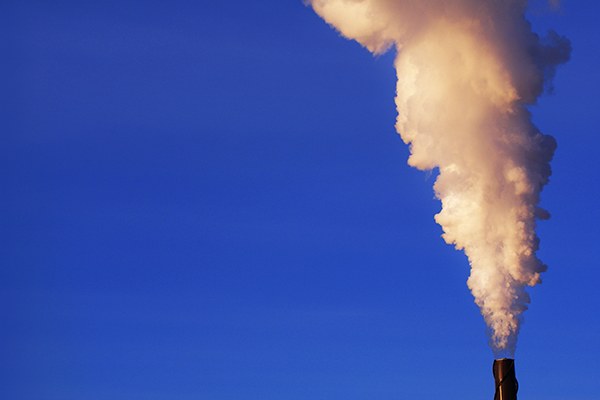
Never before have atmospheric CO2 levels been as high as those recorded in April 2014. Many Alpine valleys are suffering from poor air quality. This puts the health of many people in the Rhône-Alpes Region at risk - lower motorway speeds can be part of the solution.

Events

  • 2026-06-30T00:00:00+02:00
  • 2026-07-02T23:59:59+02:00
  • Sallanches / France
Jun 30, 2026 - Jul 02, 2026
XIV European Mountain Convention Sallanches / France

Projects and activities

speciAlps
speciAlps
[Project completed] Grasslands, marshes, hedges, biotopes and woods are examples of natural treasures and biological diversity that are of great value to alpine regions and municipalities. Not only do they offer a habitat for plants and animals, but also humans value functioning natural areas for their attractiveness and the quality of life they offer. Nevertheless, –these areas have much more potential than we often realise and there is much more every municipality can do!