Act now to protect forests: sign the #HandsOffNature petition!

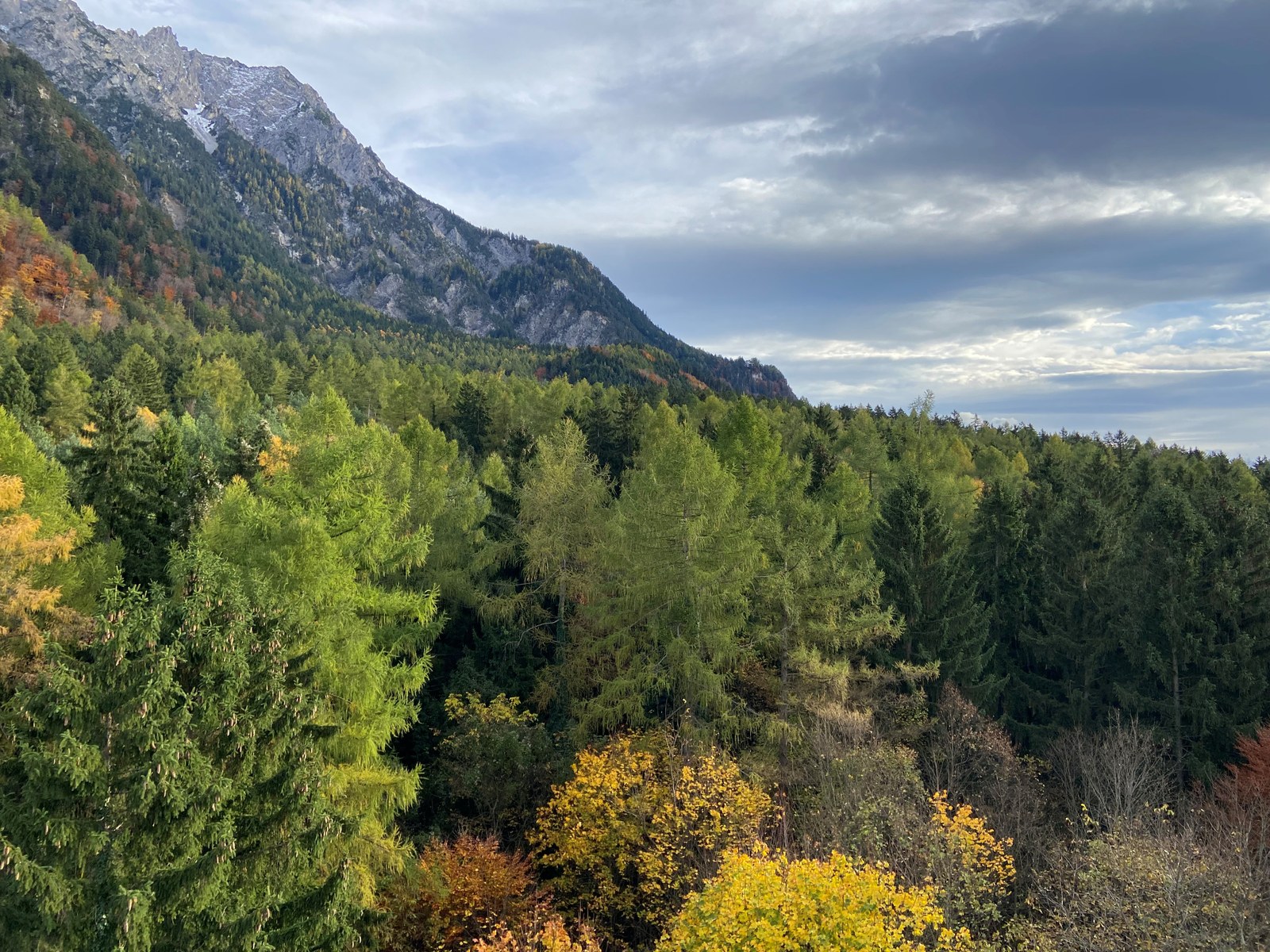
More than 40 percent of the Alpine region is covered by forests. They are not only a defining feature of the landscape, but also a cornerstone of Alpine livelihood, providing building materials, supporting biodiversity, and delivering essential ecosystem services.

CIPRA International

Do you want to know more about CIPRA International? Click here!

More articles

Rolex rewards the spirit of enterprise
The Rolex Awards are for outstanding initiatives in relation with the environment, cultural heritage, science and medicine, technology and innovation as well as research and discovery.
Austria in Bid for Alpine Convention Water Protocol
The main areas of focus of Austria's chairmanship of the Alpine Convention have now been defined. At a press conference held in Innsbruck/A on 18 March Environment Minister Josef Pröll outlined Austria's programme. According to Mr Pröll Austria is to focus on adopting a Water Protocol, addressing transport issues and completing the Progress Report on the state of the Alps.
The Alps as a wellness region - New EU project
January 2005 saw the launch of the Alpshealthcomp Project aimed at strengthening the competitiveness of the alpine region as a health and wellness destination. The partners of Alpshealthcomp, a project of the EU Community Initiative Interreg IIIB Alpine Space Programme, come from Italy, Austria and Germany, the project itself being endowed with around one million euros.
New Master of Science Programme on the Management of Protected Areas
The University of Klagenfurt/A has created a new study programme on the subject of the Management of Protected Areas. The two-year course in English is to be launched in September 2005. While the first semester focuses on theoretical and scientific foundations, the second and third semesters look at practical aspects of the management of protected areas.

Events

  • 2026-03-23T00:00:00+01:00
  • 2026-03-27T23:59:59+01:00
Mar 23, 2026 - Mar 27, 2026
Youth Parliament to the Alpine Convention: Climate Resilient Development
  • 2026-03-24T00:00:00+01:00
  • 2026-03-27T23:59:59+01:00
  • Ljubljana
Mar 24, 2026 - Mar 27, 2026
The Better-Cities Event Ljubljana
  • 2026-04-07T00:00:00+02:00
  • 2026-04-17T23:59:59+02:00
  • online
Apr 07, 2026 - Apr 17, 2026
Local Peaks, Global Learning online
  • 2026-04-21T00:00:00+02:00
  • 2026-04-23T23:59:59+02:00
  • MUCEM, Marseille/France
Apr 21, 2026 - Apr 23, 2026
Transhumance as Intangible Cultural Heritage of Humanity: A Way Forward? MUCEM, Marseille/France
  • 2026-04-22T00:00:00+02:00
  • 2026-04-23T23:59:59+02:00
  • Vienna/Austria
Apr 22, 2026 - Apr 23, 2026
Growing alternative crops for new market opportunities in a changing climate Vienna/Austria

Projects & activities

Alpine Partnership for Local Climate Action (ALPACA)
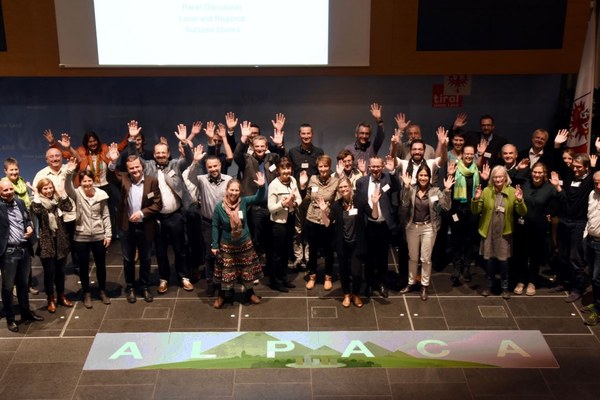
[Project completed] Rising temperatures, rockfalls, lack of snow: global warming is clearly noticeable in the Alpine region. The «Alpine Partnership for Local Climate Action» has the intention to bring together cities, municipalities and networks in order to work together for more climate protection. With this initiative, CIPRA International, «Alliance in the Alps» and «Alpine Town of the Year» want to strengthen the transregional exchange of knowledge and experience. The goal of positioning the Alps as a model region for climate protection is also in line with the Alpine Convention.
whatsalp
whatsalp
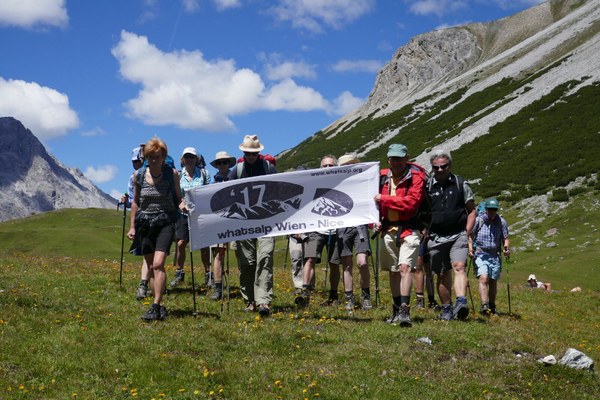
[Project completed] Starting 3rd of June 2017, a group of Alpine experts were hiking through Austria, Switzerland, France and Italy from Vienna to Nice in the course of the project “whatsalp”. They documented the current state of the Alps and exchanged experiences with different people on-site and on the way.
speciAlps
speciAlps
[Project completed] Grasslands, marshes, hedges, biotopes and woods are examples of natural treasures and biological diversity that are of great value to alpine regions and municipalities. Not only do they offer a habitat for plants and animals, but also humans value functioning natural areas for their attractiveness and the quality of life they offer. Nevertheless, –these areas have much more potential than we often realise and there is much more every municipality can do!