Act now to protect forests: sign the #HandsOffNature petition!

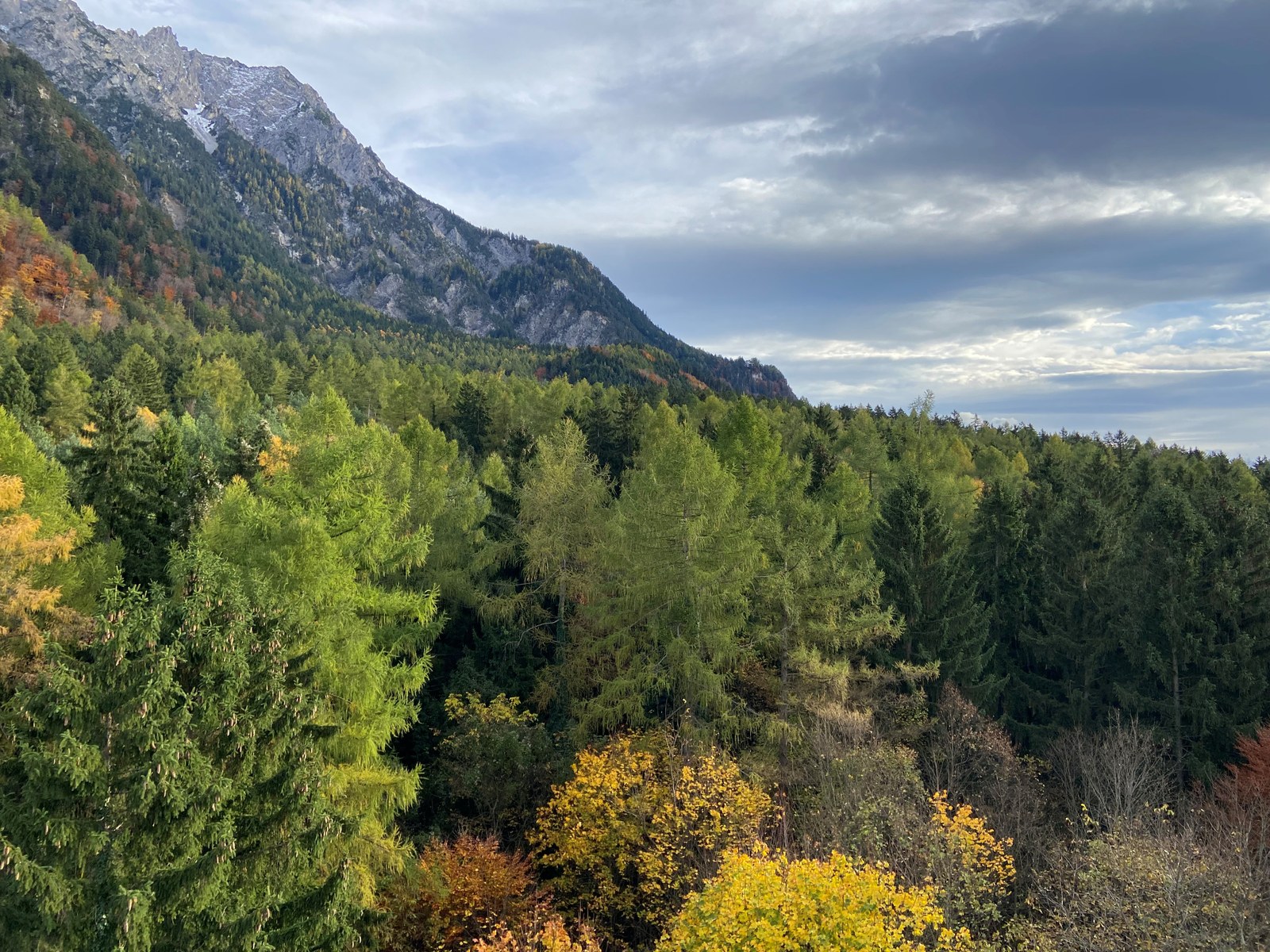
More than 40 percent of the Alpine region is covered by forests. They are not only a defining feature of the landscape, but also a cornerstone of Alpine livelihood, providing building materials, supporting biodiversity, and delivering essential ecosystem services.

CIPRA International

Do you want to know more about CIPRA International? Click here!

More articles

2005 Swiss Mountain Water Award launched
The Governmental Conference of Alpine Cantons (GCAC) has launched the Swiss Mountain Water Award, which is endowed with a total of CHF 50,000. The objective of the competition is to initiate and promote practical water projects capable of making a substantial contribution to increased net output in the mountain areas of Switzerland in commercial, ecological, social and/or institutional terms.
CIPRA conference on cities in the Alpine space
CIPRA's annual conference will be held in Brig/CH on 22 - 24 September. The subject of the 2005 conference is Alpine cities and their role as sustainability actors, with a focus on the following main aspects: - design, management and optimization of relations between Alpine cities and the surrounding areas; - networking, alliances and enhanced co-operation and synergies among Alpine cities to achieve effective positioning in the face of competition from other European locations.
Increased heavy goods traffic on the Brenner route
In 2004 more than fifty percent fewer trucks were carried by the RoLa piggyback services on the Brenner railway than in the previous year. Whereas 140,000 HGVs used the rail link in 2003, the figure for 2004 was a mere 60,000. In contrast, truck traffic on the Brenner motorway increased by a monthly average of twenty percent (in the period January to October).
Satellite handsets for Scotland's first mountain museum
If two Scottish visitor centres have their way, tourists in the Highlands will soon be walking about with hand-held computers. That will help turn Schiehallion Mountain into a dedicated mountain museum, and Helmsdale will become a centre for Scottish gold-panning tours. The postcard-sized computers employ a technology that is similar to the GPS system to be found in modern cars, and they are programmed like traditional museum audio guides.

Events

  • 2026-03-23T00:00:00+01:00
  • 2026-03-27T23:59:59+01:00
Mar 23, 2026 - Mar 27, 2026
Youth Parliament to the Alpine Convention: Climate Resilient Development
  • 2026-03-24T00:00:00+01:00
  • 2026-03-27T23:59:59+01:00
  • Ljubljana
Mar 24, 2026 - Mar 27, 2026
The Better-Cities Event Ljubljana
  • 2026-04-07T00:00:00+02:00
  • 2026-04-17T23:59:59+02:00
  • online
Apr 07, 2026 - Apr 17, 2026
Local Peaks, Global Learning online
  • 2026-04-21T00:00:00+02:00
  • 2026-04-23T23:59:59+02:00
  • MUCEM, Marseille/France
Apr 21, 2026 - Apr 23, 2026
Transhumance as Intangible Cultural Heritage of Humanity: A Way Forward? MUCEM, Marseille/France
  • 2026-04-22T00:00:00+02:00
  • 2026-04-23T23:59:59+02:00
  • Vienna/Austria
Apr 22, 2026 - Apr 23, 2026
Growing alternative crops for new market opportunities in a changing climate Vienna/Austria

Projects & activities

Alpine Partnership for Local Climate Action (ALPACA)
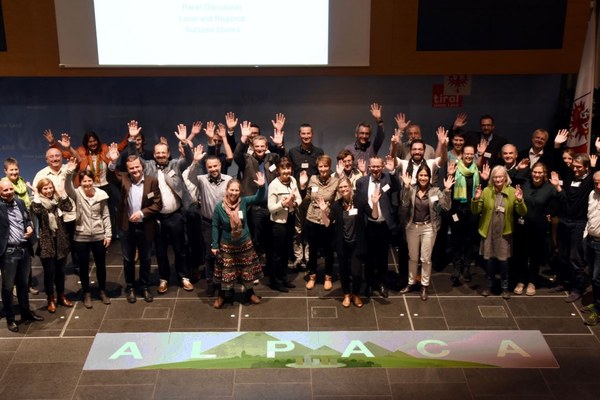
[Project completed] Rising temperatures, rockfalls, lack of snow: global warming is clearly noticeable in the Alpine region. The «Alpine Partnership for Local Climate Action» has the intention to bring together cities, municipalities and networks in order to work together for more climate protection. With this initiative, CIPRA International, «Alliance in the Alps» and «Alpine Town of the Year» want to strengthen the transregional exchange of knowledge and experience. The goal of positioning the Alps as a model region for climate protection is also in line with the Alpine Convention.
whatsalp
whatsalp
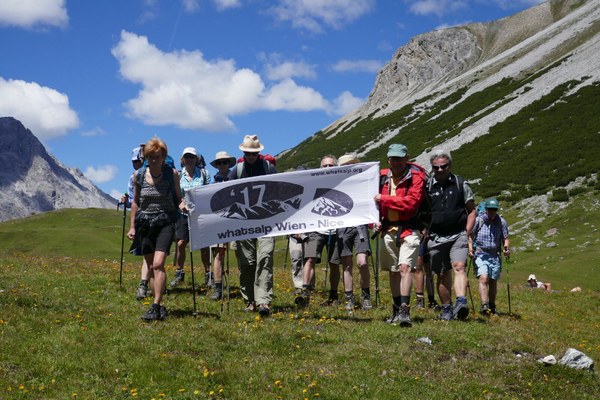
[Project completed] Starting 3rd of June 2017, a group of Alpine experts were hiking through Austria, Switzerland, France and Italy from Vienna to Nice in the course of the project “whatsalp”. They documented the current state of the Alps and exchanged experiences with different people on-site and on the way.
speciAlps
speciAlps
[Project completed] Grasslands, marshes, hedges, biotopes and woods are examples of natural treasures and biological diversity that are of great value to alpine regions and municipalities. Not only do they offer a habitat for plants and animals, but also humans value functioning natural areas for their attractiveness and the quality of life they offer. Nevertheless, –these areas have much more potential than we often realise and there is much more every municipality can do!