Act now to protect forests: sign the #HandsOffNature petition!

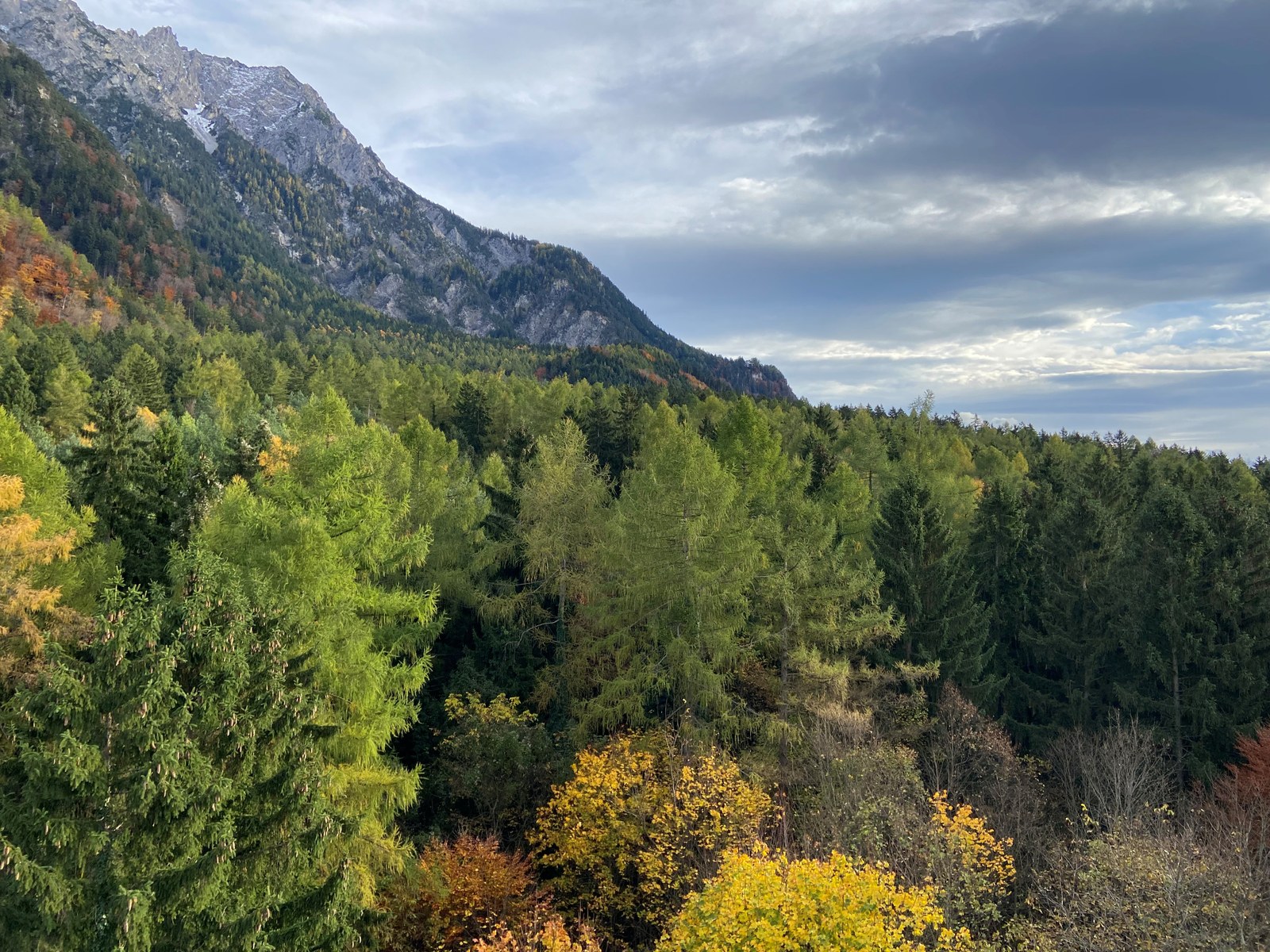
More than 40 percent of the Alpine region is covered by forests. They are not only a defining feature of the landscape, but also a cornerstone of Alpine livelihood, providing building materials, supporting biodiversity, and delivering essential ecosystem services.

CIPRA International

Do you want to know more about CIPRA International? Click here!

More articles

Pyrenean Convention to push ahead
The first step towards drawing up a Pyrenean Convention was taken at a meeting of government representatives chaired by Catalonia at Puigcerdà/E in July of this year. At the meeting representatives of the regions concerned (Languedoc-Roussillon/F, Midi-Pyrénées/F, Aquitaine/F, Navarre/E, Aragon/E, Basque Country/E, Catalonia/E and Andorra), which form the Pyrenees Working Group (Communauté de Travail des Pyrénées or CTP), drafted a joint declaration, which is now available online in French, Spanish and Catalonian.
New publication: EU Agricultural Policy and the Environment in the Alps
The Alpine Environment Department of the European Academy in Bolzano has just published a new work entitled The EU Agricultural Policy and the Environment - Evaluation of the Alpine Region. It looks at the connections between agricultural policy, agriculture and the environment in the Alps, all of which were analysed by an interdisciplinary team of researchers. Key issues raised include: In what alpine regions is the decline of agriculture particularly severe? Where are the centres of tourism located, and which regions have the highest population density?
EU nature protection database
Together with the European Topic Centre for Nature Protection and Biodiversity (ETC/NPB in Paris/F) and the European Environmental Information Observation Network (EIONET) the European Environmental Agency EEA has just published a new database with information on the protection of nature: EUNIS - European Nature Information System.
Merger of three "mountain organisations"
The three organisations Association Européenne des Elus de Montagne (AEM), Euromontana and the European Mountain Forum (EMF) have set up a committee of European mountain organisations called CLAME or Comité de liaison des associations de montagnes européennes.

Events

  • 2026-03-23T00:00:00+01:00
  • 2026-03-27T23:59:59+01:00
Mar 23, 2026 - Mar 27, 2026
Youth Parliament to the Alpine Convention: Climate Resilient Development
  • 2026-03-24T00:00:00+01:00
  • 2026-03-27T23:59:59+01:00
  • Ljubljana
Mar 24, 2026 - Mar 27, 2026
The Better-Cities Event Ljubljana
  • 2026-04-07T00:00:00+02:00
  • 2026-04-17T23:59:59+02:00
  • online
Apr 07, 2026 - Apr 17, 2026
Local Peaks, Global Learning online
  • 2026-04-21T00:00:00+02:00
  • 2026-04-23T23:59:59+02:00
  • MUCEM, Marseille/France
Apr 21, 2026 - Apr 23, 2026
Transhumance as Intangible Cultural Heritage of Humanity: A Way Forward? MUCEM, Marseille/France
  • 2026-04-22T00:00:00+02:00
  • 2026-04-23T23:59:59+02:00
  • Vienna/Austria
Apr 22, 2026 - Apr 23, 2026
Growing alternative crops for new market opportunities in a changing climate Vienna/Austria

Projects & activities

Ars vivendi
Ars vivendi
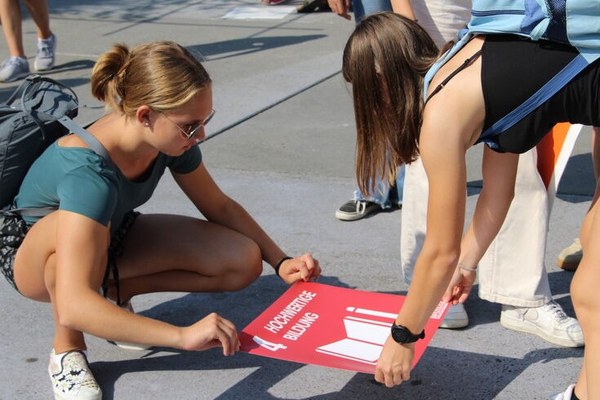
[Project completed] How can the Sustainable Development Goals (SDGs) be learned and taught? In the project «ars vivendi» a didactic tool for the Global Agenda 2030 is being developed.
DINAMO
DINAMO
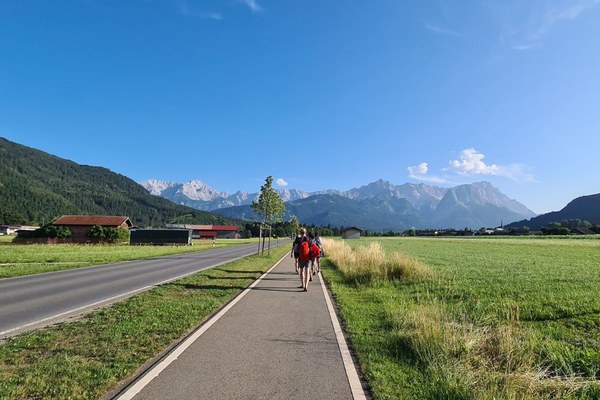
[Project competed] In many rural areas of the Alps, public transport services are inadequate for daily needs and tourism development. In some remote mountain regions, this is one of the reasons why there is a considerable amount of car traffic, especially on weekends, public holidays and during rush hours. There are various reasons for this, including the high cost of public transport solutions due to low population density, inadequate public transport options (such as timetables, accessibility, connectivity, travel time and costs) and political and social preferences in favour of private motorised transport.

LISTEN
LISTEN
The LISTEN project is analysing the use of space in suburbs on the basis of three pilot regions in Belgium, Sweden and Austria. CIPRA Lab GmbH is working together with partners from research and regional stakeholders.