Act now to protect forests: sign the #HandsOffNature petition!

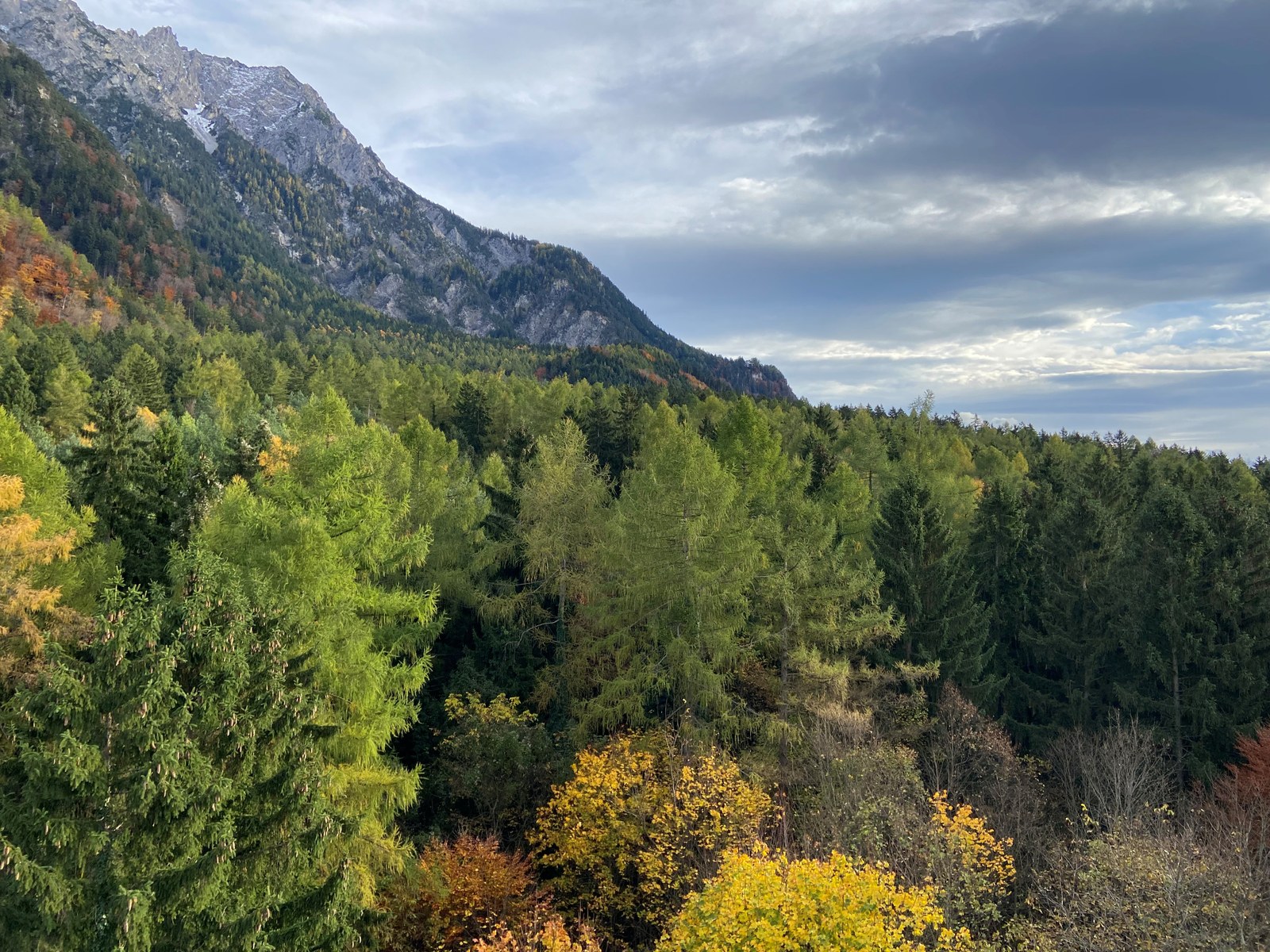
More than 40 percent of the Alpine region is covered by forests. They are not only a defining feature of the landscape, but also a cornerstone of Alpine livelihood, providing building materials, supporting biodiversity, and delivering essential ecosystem services.

CIPRA International

Do you want to know more about CIPRA International? Click here!

More articles

Renewable energies: Alpine Convention becomes decisive
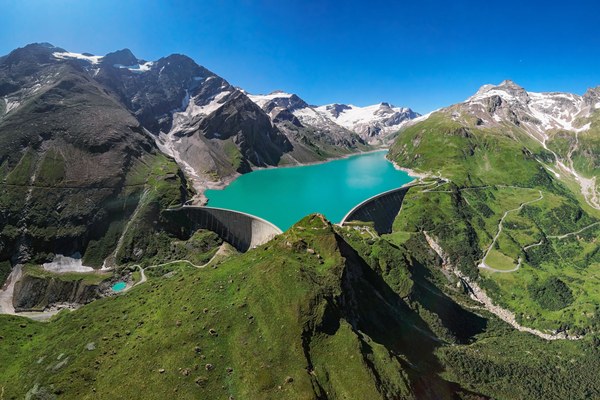
The EU wishes to accelerate the expansion of renewable energies. In the Alps, however, this must not come at the expense of sensitive natural areas. CIPRA International has now achieved two important clarifications through legal action: as a treaty under international law, the Alpine Convention takes precedence over secondary European Union law – that is, EU regulations and EU directives; consequently, its provisions must also be complied with when implementing the Renewable Energy Directive (RED III).
International Mountain Camp in the French Alps
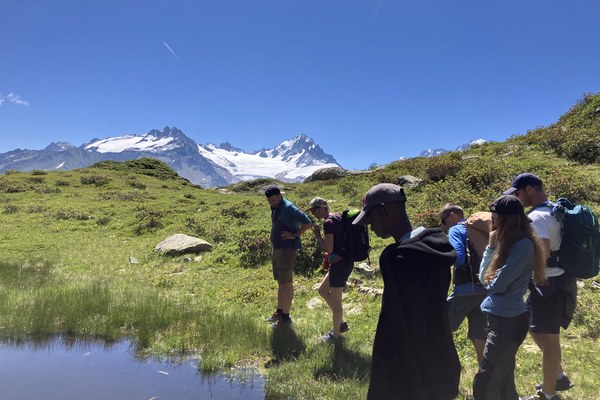
Nestled in the breathtaking landscape surrounding majestic Mont Blanc, an unforgettable international summer camp brought together young people from Liechtenstein, France, Italy, Switzerland, and Slovenia. More than just a hike through alpine trails, the camp was a celebration of connection, discovery, and real inclusion.
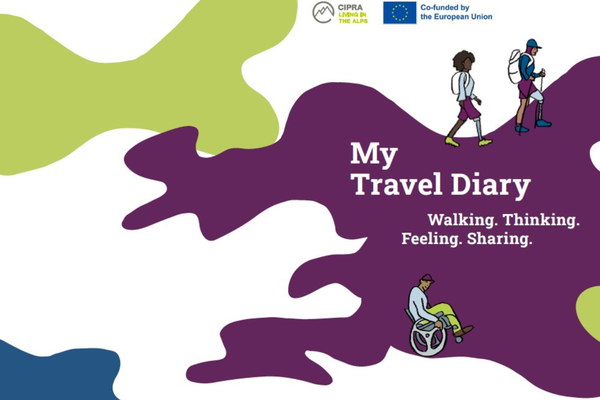
My Travel Diary - Walking. Thinking. Feeling. Sharing.
Your travel diary for slow travel
Dialogue on Alpine Spatial Planning: Proceedings of the CIPRA Annual Conference 2025
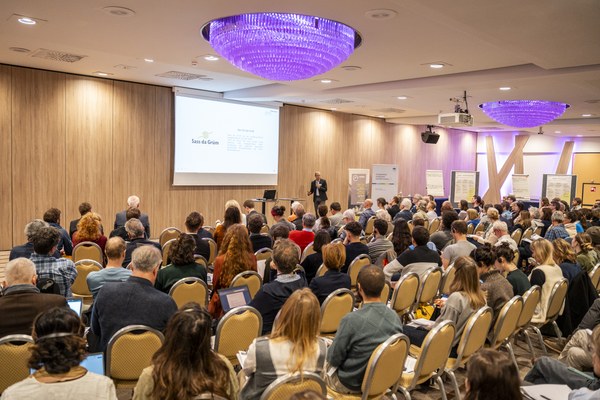
How can Alpine Spatial Planning mitigate conflicts between the energy transition and nature restoration? This question was addressed at the CIPRA Annual Conference 2025 in Salzburg, which brought together more than 160 participants. The proceedings show key insights and recommended actions – not in a concluding way, but as part of an ongoing learning process and as an impulse for further debates. They underline the shared understanding that the energy transition in the Alpine region must be approached and implemented in a cross-sectoral, interdisciplinary, and transboundary manner.

Events

  • 2026-03-23T00:00:00+01:00
  • 2026-03-27T23:59:59+01:00
Mar 23, 2026 - Mar 27, 2026
Youth Parliament to the Alpine Convention: Climate Resilient Development
  • 2026-03-24T00:00:00+01:00
  • 2026-03-27T23:59:59+01:00
  • Ljubljana
Mar 24, 2026 - Mar 27, 2026
The Better-Cities Event Ljubljana
  • 2026-04-07T00:00:00+02:00
  • 2026-04-17T23:59:59+02:00
  • online
Apr 07, 2026 - Apr 17, 2026
Local Peaks, Global Learning online
  • 2026-04-21T00:00:00+02:00
  • 2026-04-23T23:59:59+02:00
  • MUCEM, Marseille/France
Apr 21, 2026 - Apr 23, 2026
Transhumance as Intangible Cultural Heritage of Humanity: A Way Forward? MUCEM, Marseille/France
  • 2026-04-22T00:00:00+02:00
  • 2026-04-23T23:59:59+02:00
  • Vienna/Austria
Apr 22, 2026 - Apr 23, 2026
Growing alternative crops for new market opportunities in a changing climate Vienna/Austria

Projects & activities

UrbaBio
UrbaBio
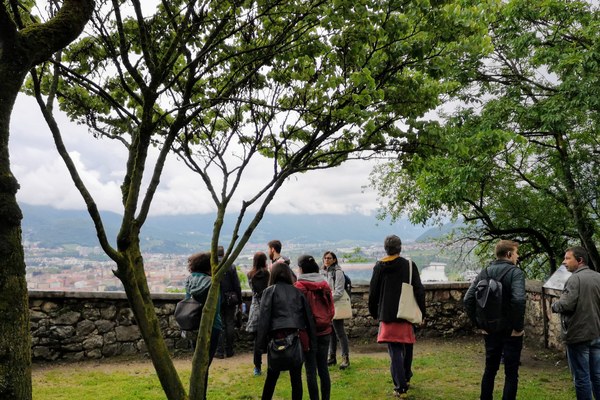
[Project completed] In the project UrbaBio, representatives of the participating Alpine Towns of Annecy, Belluno, Chambéry and Trento drew on each other's broad pool of knowledge to promote biodiversity in the city.
Living Labs
Living Labs
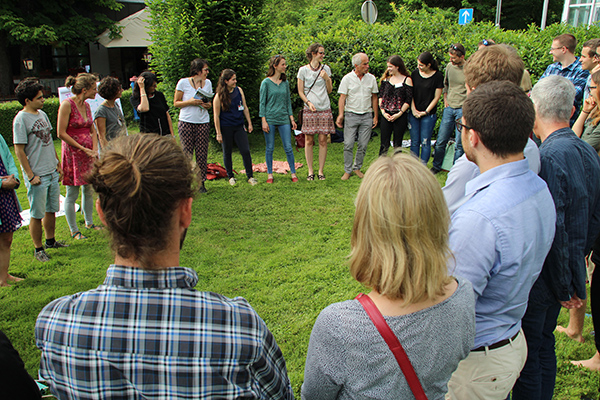
[Project completed] The project “Living Labs” brought together people of different ages from different Alpine countries to work together on process and know-how on selected topics. The project approach was participative and based on the principles of co-creation between young talents aged 18-30 years, environmental NGOs, civil society and politicians. The participants of this intergenerational project are committed to the sustainable development of the Alps at local, national and international level. For a desirable future it is important to set the right course today and to talk about how existing natural resources can be used sustainably.
Sustainable Alpine Tourism
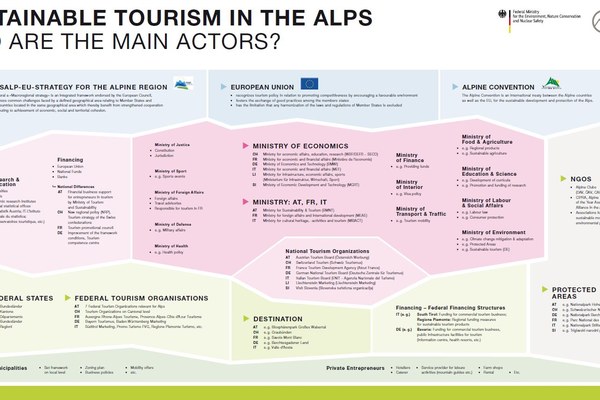
[Project completed] Sustainable tourism in the Alps is the only long-term alternative to conventional mass tourism in order to safeguard the habitat for nature and people. So far, however, there is a lack of jointly defined framework conditions on anational or alpine level for planning, promoting and implementing sustainable tourism.