Act now to protect forests: sign the #HandsOffNature petition!

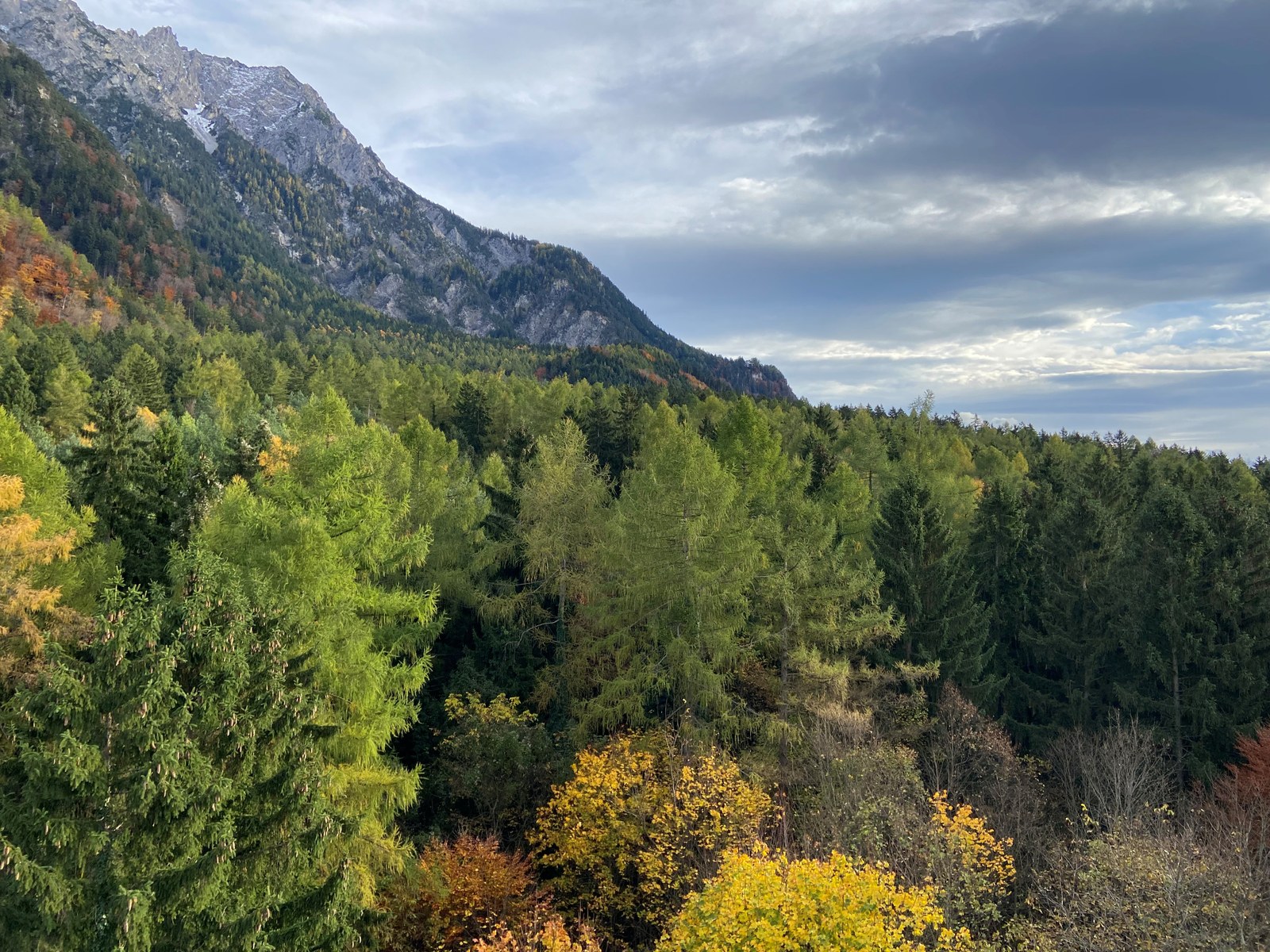
More than 40 percent of the Alpine region is covered by forests. They are not only a defining feature of the landscape, but also a cornerstone of Alpine livelihood, providing building materials, supporting biodiversity, and delivering essential ecosystem services.

CIPRA International

Do you want to know more about CIPRA International? Click here!

More articles

Europe's mountains: rich in biodiversity but increasingly vulnerable
In its study 10 Messages for 2010 - Mountain Ecosystems the European Environmental Agency takes a closer look at Europe's mountain regions. Compared with the lowlands, regions above the tree line are home to a richer variety of plant and animal species. The biggest threats include land abandonment, intensification of agriculture, infrastructure development, unsustainable exploitation and climate change.
Per Alpes - Discovering the Alps in 20 circular walks
Such is the title of the hiking guide that has just been published by the Permanent Secretariat of the Alpine Convention. It showcases and describes 20 selected trekking routes across the alpine arc, touching on all the alpine states that are part of the Alpine Convention. By presenting the Alps as a tourist destination that goes beyond the national borders of the individual countries this book contributes in its way towards implementing the Alpine Convention's protocol on tourism.
Innovation in mountain areas: European Mountain Convention
Innovation as the key driver for sustainable development in mountain areas: such is the theme of this year's European Mountain Convention, which is being held in Lillehammer, Norway, from 15th to 17th September. The conference will offer participants the opportunity to discuss sustainable development in their mountain regions and communities and to find out more about innovative projects in European mountain regions.
New publications for networking natural environments in the Alps
A great deal has been done and achieved in recent years to set up a pan-alpine ecological network. As part of its script series the German Federal Agency for Nature Conservation (BfN) has just published a report in English entitled Implementing a Pan-Alpine Ecological Network - A Compilation of Major Approaches, Tools and Activities. It comprises for the first time various documents, publications and reports supporting the implementation of an ecological network across the alpine arc. One chapter focuses on activities in the Carpathians. The publication can provide useful information to regions beyond the Alps, too.

Events

  • 2026-04-07T00:00:00+02:00
  • 2026-04-17T23:59:59+02:00
  • online
Apr 07, 2026 - Apr 17, 2026
Local Peaks, Global Learning online
  • 2026-04-21T00:00:00+02:00
  • 2026-04-23T23:59:59+02:00
  • MUCEM, Marseille/France
Apr 21, 2026 - Apr 23, 2026
Transhumance as Intangible Cultural Heritage of Humanity: A Way Forward? MUCEM, Marseille/France
  • 2026-04-22T00:00:00+02:00
  • 2026-04-23T23:59:59+02:00
  • Vienna/Austria
Apr 22, 2026 - Apr 23, 2026
Growing alternative crops for new market opportunities in a changing climate Vienna/Austria
  • 2026-04-24T00:00:00+02:00
  • 2026-05-03T23:59:59+02:00
  • Santa Croce street, 67; I-38122 Trento
Apr 24, 2026 - May 03, 2026
Trento Film Festival Santa Croce street, 67; I-38122 Trento
  • 2026-05-28T00:00:00+02:00
  • 2026-05-30T23:59:59+02:00
  • Aosta
May 28, 2026 - May 30, 2026
ForumAlpinum 2026 Aosta

Projects & activities

AlpES
AlpES
[Project completed] Ecosystems and their services go beyond national borders and need a transnational approach for their dynamic protection, sustainable use, management and risk prevention. As a basis for joint action, public authorities, policy makers, NGOs, researchers and economic actors – the AlpES target groups – need a common understanding of ecosystem services, comparable information on their status and support in using appropriate tools for integrating them in their fields of work.

SPARE – Alpine rivers as society’s lifelines
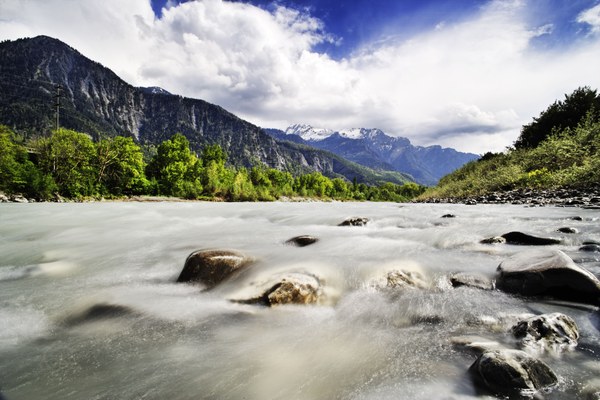
[Project completed] What is the state of the Alpine rivers? How can we bring those responsible and other interested parties to committing themselves to holistic river management? The SPARE project strives to answer these and other questions.
I-LivAlps
I-LivAlps
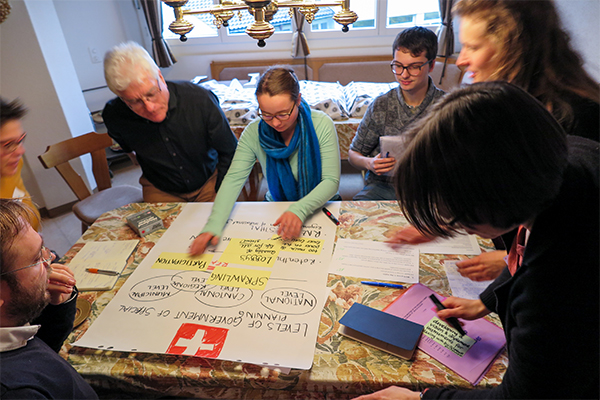
[Project completed] Youth participation as tool to fight the demographical change threatening the Alps - this was the topic of the project “I-LivAlps: LivingLabs with young people in the Alps”. The motor of the process were active, skilled, engaged young people, coordinatet by competent youth leaders and a stable and efficient international network able to foster local activities at the national level in order to anchor youth participation. 36 participants from 6 alpine countries, aged between 15 and 30 years, with different cultural and educational backgrounds were working together with national NGOs to get new skills to become proactive in their community.