Act now to protect forests: sign the #HandsOffNature petition!

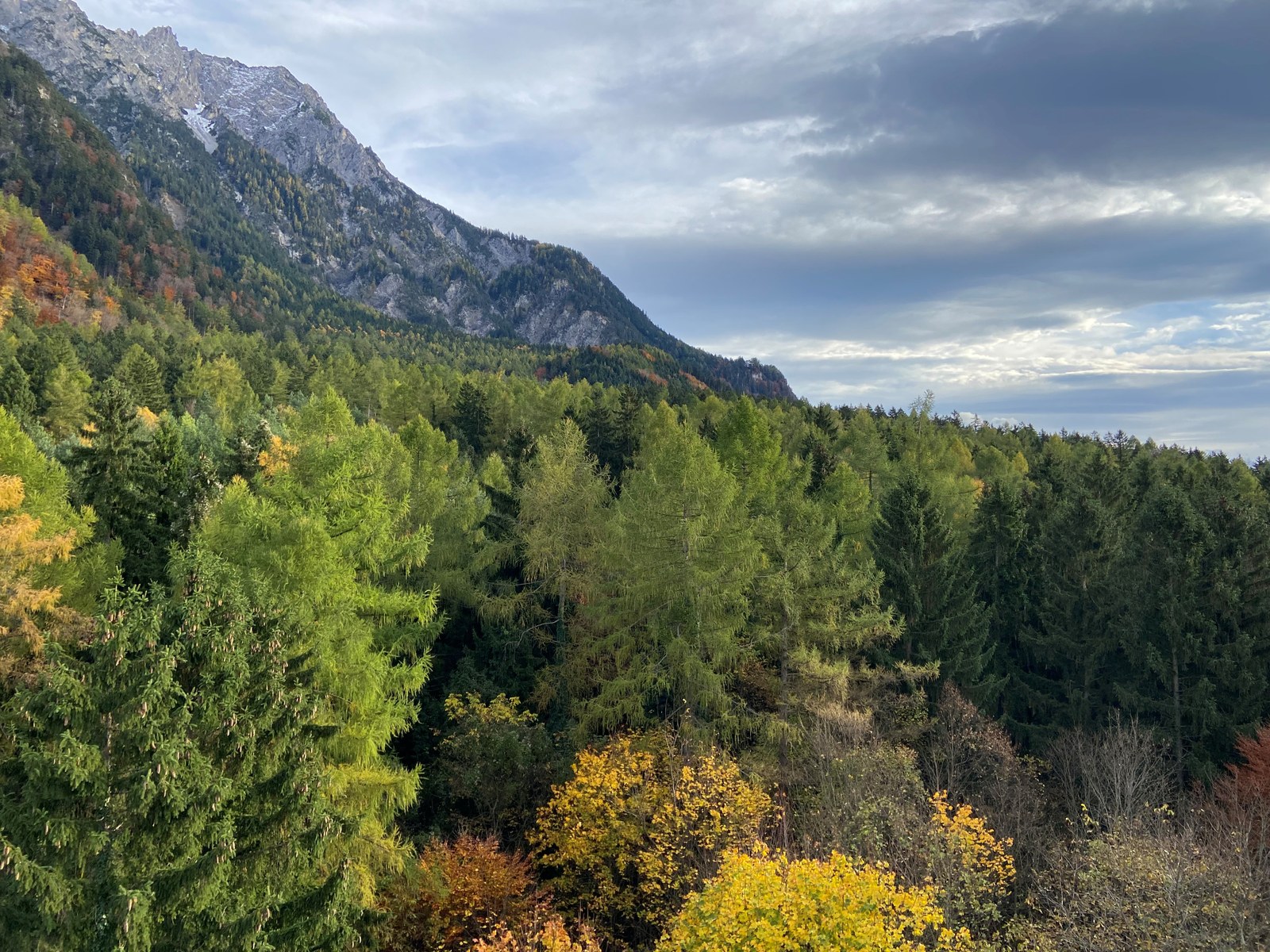
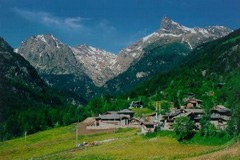
More than 40 percent of the Alpine region is covered by forests. They are not only a defining feature of the landscape, but also a cornerstone of Alpine livelihood, providing building materials, supporting biodiversity, and delivering essential ecosystem services.

CIPRA International

Do you want to know more about CIPRA International? Click here!

More articles

Hiking right across the Alps
The recently published book Via Alpina - 2500 kilometres from one coast to another (Via Alpina - 2'500 kilomètres d'une mer à l'autre) recounts the adventure of crossing the entire Alpine range. In 2007 Vincent Tornay followed the Via Alpina Red Trail for a total of 119 days in search of the people and landscapes that make up the Alps of today. He covered 2500 km and 124,000 metres of difference in altitude as he hiked through the eight Alpine states, from the Adriatic coastline to Monaco.
Tourism in mountain areas put to the test
The new December 2009 issue of Revue de géographie alpine / Journal of alpine research looks at mountain tourism and sustainability. Six articles examine the sustainability of current practices in tourism and take a closer look at the experience gained with sustainable tourism.
Club Arc Alpin makes a stand on climate change, the expansion of fixed rope routes, and motorised offroad traffic
On September 12 the Club Arc Alpin (CAA) held its members' meeting in Innsbruck at which it formulated political demands on climate change and adopted a number of policy documents on fixed rope routes and motorised offroad traffic. On the subject of climate change the CAA called for a reduction in CO2 as well as a move away from a dependency on fossil sources of energy. It specifically addressed the issue of traffic, to which it suggested a number of measures.
New issue of the Eco.mont magazine
The latest issue of eco.mont - Journal on Protected Mountain Areas Research is now available. It features scientific articles from European mountain regions and the Himalayas, with articles on amphibians, visitor monitoring, information management, resource utilisation, and the perception of biodiversity changes.

Events

  • 2026-04-07T00:00:00+02:00
  • 2026-04-17T23:59:59+02:00
  • online
Apr 07, 2026 - Apr 17, 2026
Local Peaks, Global Learning online
  • 2026-04-21T00:00:00+02:00
  • 2026-04-23T23:59:59+02:00
  • MUCEM, Marseille/France
Apr 21, 2026 - Apr 23, 2026
Transhumance as Intangible Cultural Heritage of Humanity: A Way Forward? MUCEM, Marseille/France
  • 2026-04-22T00:00:00+02:00
  • 2026-04-23T23:59:59+02:00
  • Vienna/Austria
Apr 22, 2026 - Apr 23, 2026
Growing alternative crops for new market opportunities in a changing climate Vienna/Austria
  • 2026-04-24T00:00:00+02:00
  • 2026-05-03T23:59:59+02:00
  • Santa Croce street, 67; I-38122 Trento
Apr 24, 2026 - May 03, 2026
Trento Film Festival Santa Croce street, 67; I-38122 Trento
  • 2026-05-28T00:00:00+02:00
  • 2026-05-30T23:59:59+02:00
  • Aosta
May 28, 2026 - May 30, 2026
ForumAlpinum 2026 Aosta

Projects & activities

Alpine Partnership for Local Climate Action (ALPACA)
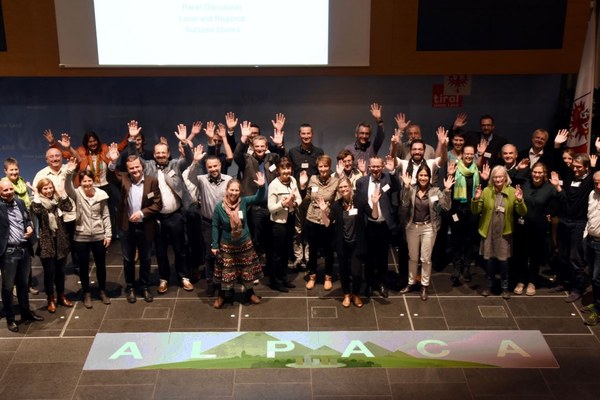
[Project completed] Rising temperatures, rockfalls, lack of snow: global warming is clearly noticeable in the Alpine region. The «Alpine Partnership for Local Climate Action» has the intention to bring together cities, municipalities and networks in order to work together for more climate protection. With this initiative, CIPRA International, «Alliance in the Alps» and «Alpine Town of the Year» want to strengthen the transregional exchange of knowledge and experience. The goal of positioning the Alps as a model region for climate protection is also in line with the Alpine Convention.
whatsalp
whatsalp
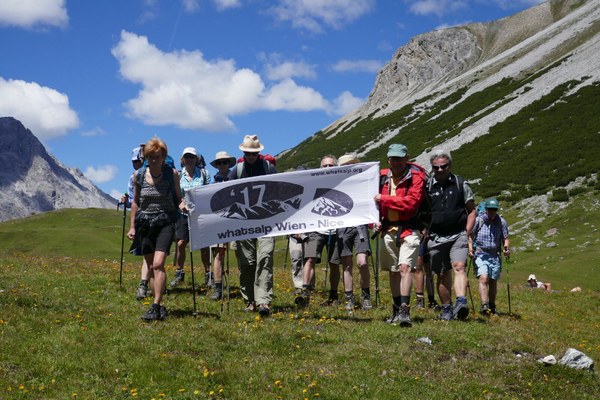
[Project completed] Starting 3rd of June 2017, a group of Alpine experts were hiking through Austria, Switzerland, France and Italy from Vienna to Nice in the course of the project “whatsalp”. They documented the current state of the Alps and exchanged experiences with different people on-site and on the way.
speciAlps
speciAlps
[Project completed] Grasslands, marshes, hedges, biotopes and woods are examples of natural treasures and biological diversity that are of great value to alpine regions and municipalities. Not only do they offer a habitat for plants and animals, but also humans value functioning natural areas for their attractiveness and the quality of life they offer. Nevertheless, –these areas have much more potential than we often realise and there is much more every municipality can do!