Act now to protect forests: sign the #HandsOffNature petition!

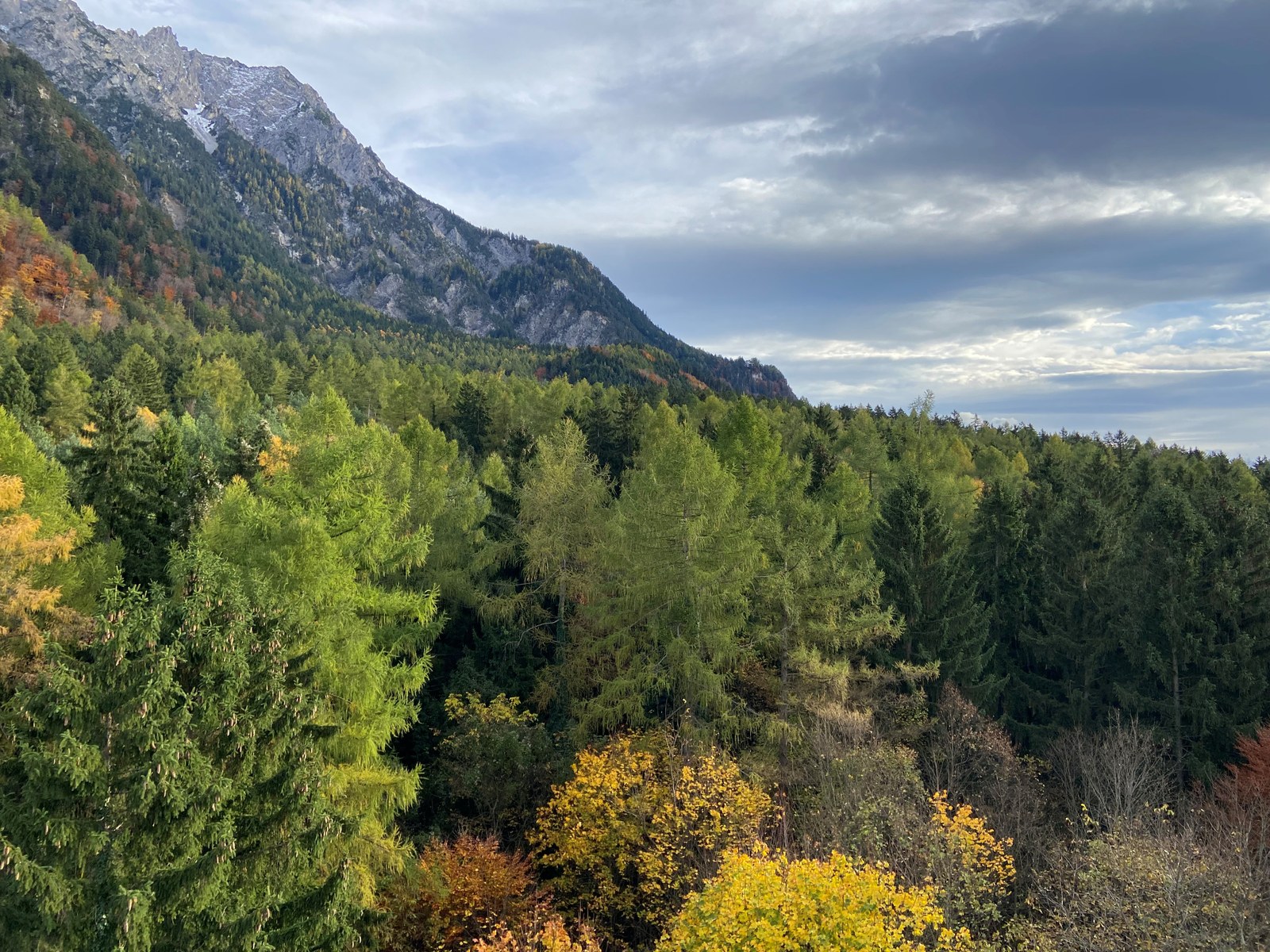
More than 40 percent of the Alpine region is covered by forests. They are not only a defining feature of the landscape, but also a cornerstone of Alpine livelihood, providing building materials, supporting biodiversity, and delivering essential ecosystem services.

CIPRA International

Do you want to know more about CIPRA International? Click here!

More articles

Climate check-up for the Alps
What sort of impact and side effects do climate response measures have? CIPRA's latest issue of AlpsInsight entitled In the Name of Climate Protection looks at how climate change issues are being addressed in the Alps and points the way towards sustainable action.
Toxic glacier melts
Toxic glacier melts
A new study has confirmed that melting glaciers release chemical substances that have long been banned and are not longer produced by industry. Researchers from Swiss education institutes took frozen sediment core samples from the Oberaar reservoir in the Grimsel area in Switzerland and used the layers to reconstruct the history of the lake back to when it was first established in 1953.
Alpine Convention acts as a guide for the Dinaric Alps
CIPRA Slovenia has successfully completed its project entitled "Knowledge transfer in the area of sustainable development from the Alpine Convention to the municipality of Mojkovac in Montenegro". The project provides a good starting point for the comprehensive promotion of nature conservation and sustainable development in the Dinaric mountain range.
The 2009 Climate Winners
The winning municipalities of the 2009 Climate Star were presented with their awards in Melk in Lower Austria on October 22, under the motto of "Fast Track to Climate Protection". The proud winners from the Alpine region were the local authorities of Lustenau in Austria and Sand in Taufers in South Tyrol/I. The record participation of 444 municipalities from eleven European countries, with a very strong showing by local authorities in the Alps, highlights the importance now attached to climate protection.

Events

  • 2026-04-07T00:00:00+02:00
  • 2026-04-17T23:59:59+02:00
  • online
Apr 07, 2026 - Apr 17, 2026
Local Peaks, Global Learning online
  • 2026-04-21T00:00:00+02:00
  • 2026-04-23T23:59:59+02:00
  • MUCEM, Marseille/France
Apr 21, 2026 - Apr 23, 2026
Transhumance as Intangible Cultural Heritage of Humanity: A Way Forward? MUCEM, Marseille/France
  • 2026-04-22T00:00:00+02:00
  • 2026-04-23T23:59:59+02:00
  • Vienna/Austria
Apr 22, 2026 - Apr 23, 2026
Growing alternative crops for new market opportunities in a changing climate Vienna/Austria
  • 2026-04-24T00:00:00+02:00
  • 2026-05-03T23:59:59+02:00
  • Santa Croce street, 67; I-38122 Trento
Apr 24, 2026 - May 03, 2026
Trento Film Festival Santa Croce street, 67; I-38122 Trento
  • 2026-05-28T00:00:00+02:00
  • 2026-05-30T23:59:59+02:00
  • Aosta
May 28, 2026 - May 30, 2026
ForumAlpinum 2026 Aosta

Projects & activities

Ars vivendi
Ars vivendi
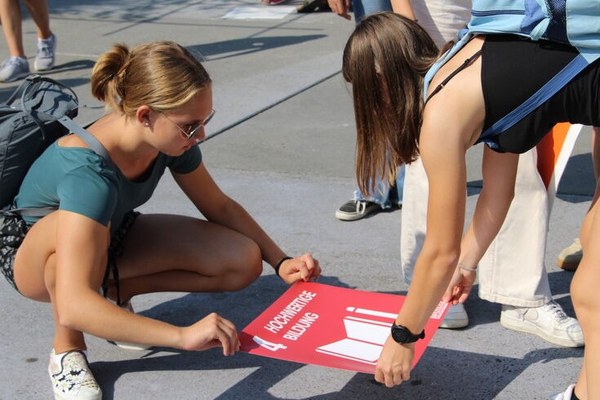
[Project completed] How can the Sustainable Development Goals (SDGs) be learned and taught? In the project «ars vivendi» a didactic tool for the Global Agenda 2030 is being developed.
DINAMO
DINAMO
[Project competed] In many rural areas of the Alps, public transport services are inadequate for daily needs and tourism development. In some remote mountain regions, this is one of the reasons why there is a considerable amount of car traffic, especially on weekends, public holidays and during rush hours. There are various reasons for this, including the high cost of public transport solutions due to low population density, inadequate public transport options (such as timetables, accessibility, connectivity, travel time and costs) and political and social preferences in favour of private motorised transport.

LISTEN
LISTEN
The LISTEN project is analysing the use of space in suburbs on the basis of three pilot regions in Belgium, Sweden and Austria. CIPRA Lab GmbH is working together with partners from research and regional stakeholders.