Act now to protect forests: sign the #HandsOffNature petition!

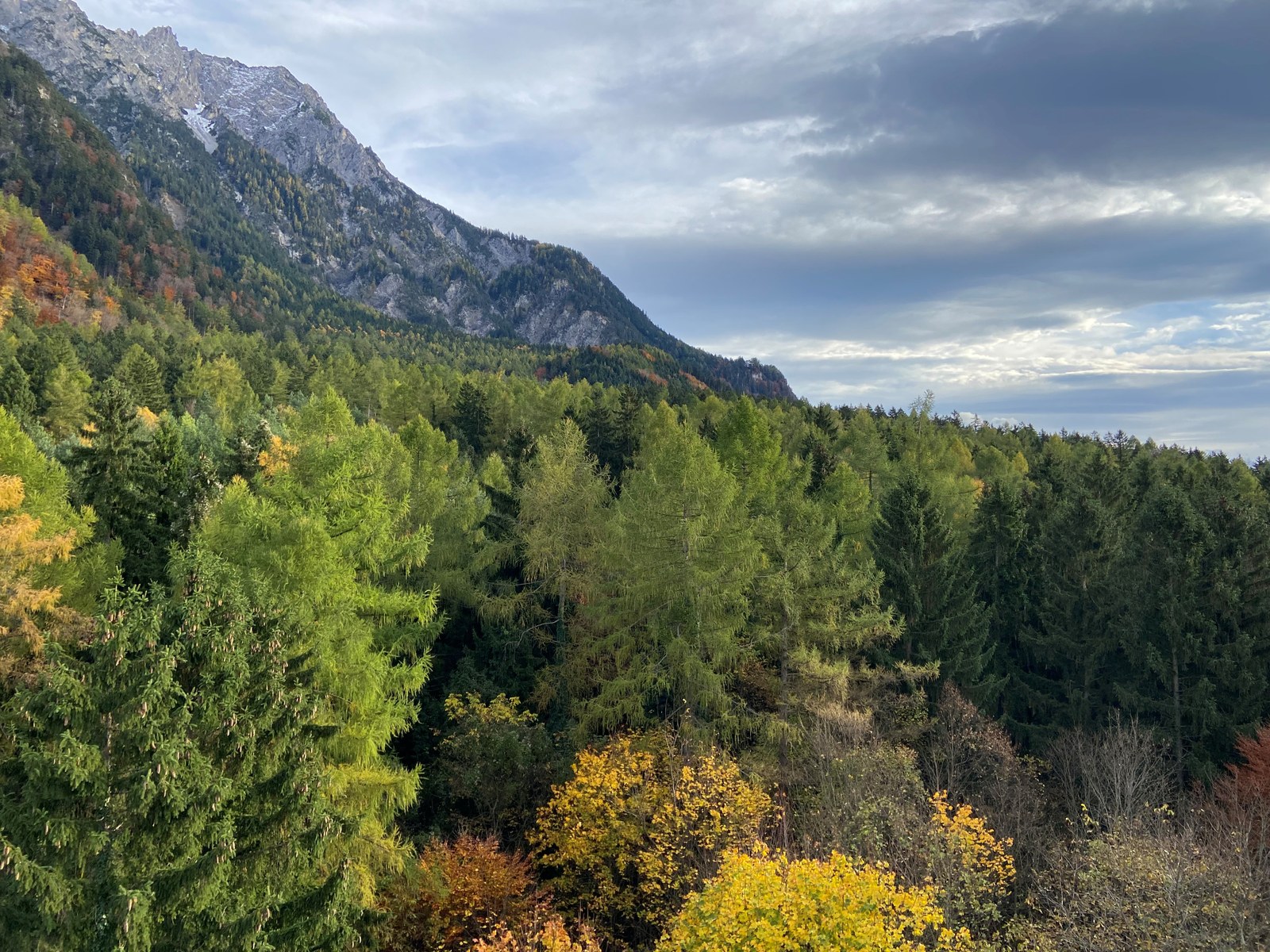
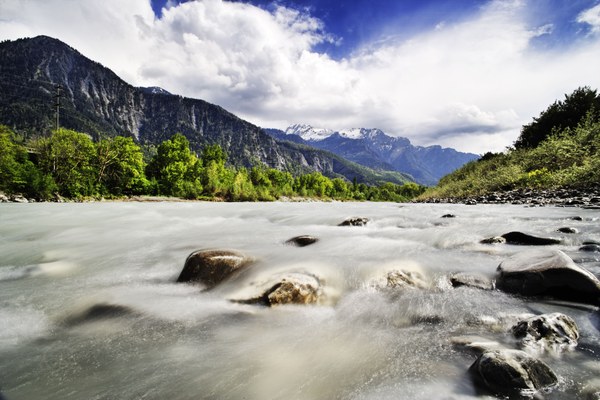
More than 40 percent of the Alpine region is covered by forests. They are not only a defining feature of the landscape, but also a cornerstone of Alpine livelihood, providing building materials, supporting biodiversity, and delivering essential ecosystem services.

CIPRA International

Do you want to know more about CIPRA International? Click here!

More articles

International workshop series "Disseminating Knowledge - Networking People" Rural-urban co-operation: A challenge for the Alpine region
The eighth workshop in the series on "Disseminating Knowledge - Networking People" was held in Autrans on June 4 and 5 and focused on the subject of regional concepts and rural-urban co-operation. The organisers, CIPRA France and the further education organisation Association de Formation des Ruraux aux Activités du Tourisme, provided an opportunity for an exchange of views on the shift in relations between rural and urban areas.
What's new on www.cipra.org/zukunft
Brig, Klagenfurt and Chiavenna: Workshop documentation is now online The workshop on "The Forestry Sector in Regional Policy - Options for Sustainable Development in the Alpine Region" organised by the Further Education in Forestry and Landscape jointly with CIPRA was held in Brig/CH on March 28 and 29.
Global know-how transfer: Workshop in the Ukraine and international further education programme
One of the aims of Future in the Alps is to make the findings gained from the project available to mountain regions beyond the Alps, too. To this end, CIPRA, together with the international organisation Green Dossier, held a workshop in the Ukraine from 31 May to 2 June on solving conflicts in protected areas.
CIPRA's 3rd Alpine Report presents the shapers of the future
In its 3rd Alpine Report, to be published in autumn 2007, CIPRA is making the results of Future in the Alps available to a broad public.

Events

  • 2026-03-23T00:00:00+01:00
  • 2026-03-27T23:59:59+01:00
Mar 23, 2026 - Mar 27, 2026
Youth Parliament to the Alpine Convention: Climate Resilient Development
  • 2026-03-24T00:00:00+01:00
  • 2026-03-27T23:59:59+01:00
  • Ljubljana
Mar 24, 2026 - Mar 27, 2026
The Better-Cities Event Ljubljana
  • 2026-04-07T00:00:00+02:00
  • 2026-04-17T23:59:59+02:00
  • online
Apr 07, 2026 - Apr 17, 2026
Local Peaks, Global Learning online
  • 2026-04-21T00:00:00+02:00
  • 2026-04-23T23:59:59+02:00
  • MUCEM, Marseille/France
Apr 21, 2026 - Apr 23, 2026
Transhumance as Intangible Cultural Heritage of Humanity: A Way Forward? MUCEM, Marseille/France
  • 2026-04-22T00:00:00+02:00
  • 2026-04-23T23:59:59+02:00
  • Vienna/Austria
Apr 22, 2026 - Apr 23, 2026
Growing alternative crops for new market opportunities in a changing climate Vienna/Austria

Projects & activities

AlpES
AlpES
[Project completed] Ecosystems and their services go beyond national borders and need a transnational approach for their dynamic protection, sustainable use, management and risk prevention. As a basis for joint action, public authorities, policy makers, NGOs, researchers and economic actors – the AlpES target groups – need a common understanding of ecosystem services, comparable information on their status and support in using appropriate tools for integrating them in their fields of work.

SPARE – Alpine rivers as society’s lifelines
[Project completed] What is the state of the Alpine rivers? How can we bring those responsible and other interested parties to committing themselves to holistic river management? The SPARE project strives to answer these and other questions.
I-LivAlps
I-LivAlps
[Project completed] Youth participation as tool to fight the demographical change threatening the Alps - this was the topic of the project “I-LivAlps: LivingLabs with young people in the Alps”. The motor of the process were active, skilled, engaged young people, coordinatet by competent youth leaders and a stable and efficient international network able to foster local activities at the national level in order to anchor youth participation. 36 participants from 6 alpine countries, aged between 15 and 30 years, with different cultural and educational backgrounds were working together with national NGOs to get new skills to become proactive in their community.