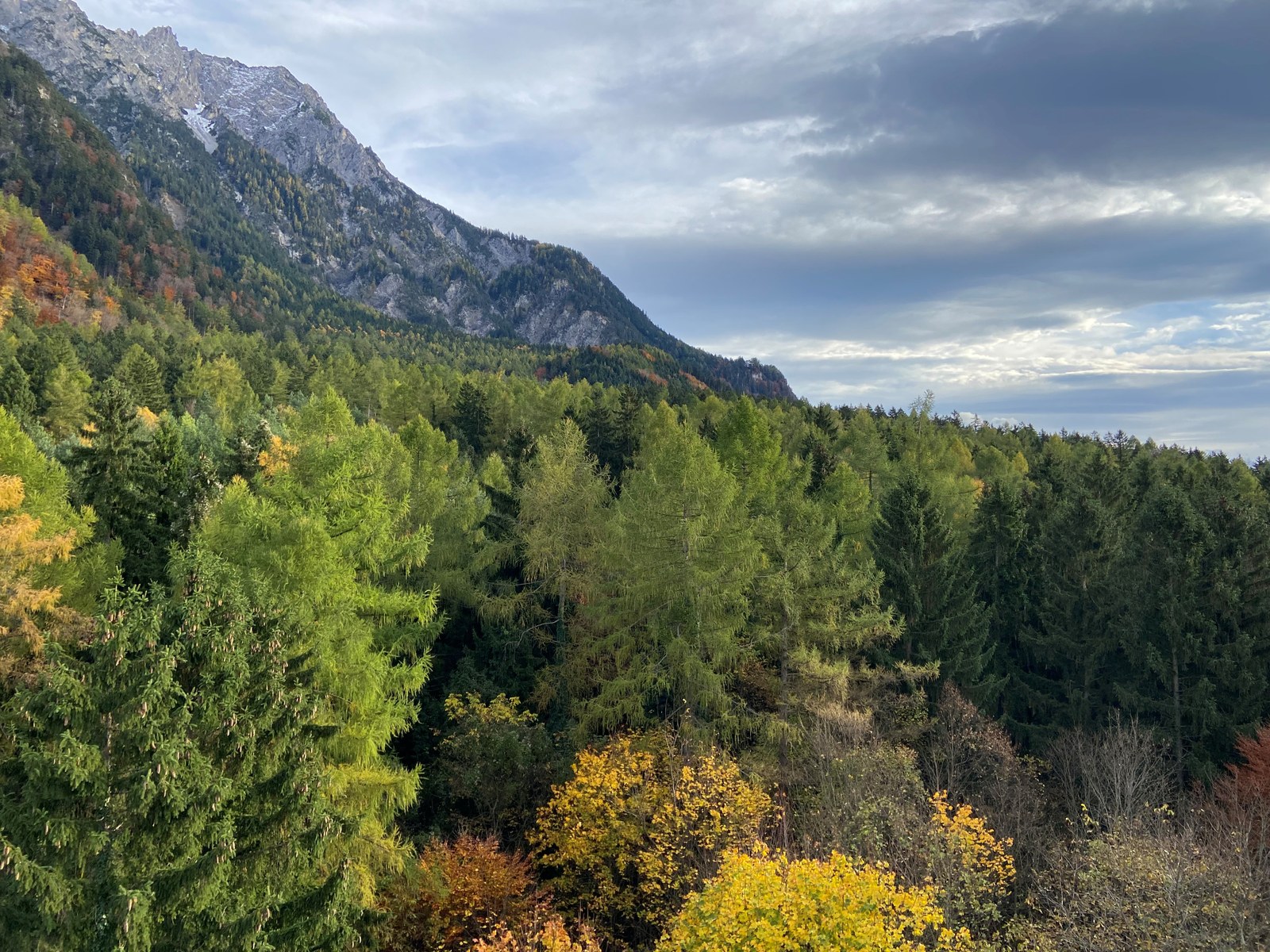
Act now to protect forests: sign the #HandsOffNature petition!

More than 40 percent of the Alpine region is covered by forests. They are not only a defining feature of the landscape, but also a cornerstone of Alpine livelihood, providing building materials, supporting biodiversity, and delivering essential ecosystem services.

CIPRA International

Do you want to know more about CIPRA International? Click here!

More articles

From the Dorfmobil Klaus project to the reawakened Merano-Mals railway - "Soft mobility" helps to promote tourism in remote areas
The major problems caused by transit traffic through the Alps dominate the media. And yet it is all too often forgotten that more than two thirds of traffic in the Alps is home-made. So what are the alternatives? This was one of the key questions put to our team of experts.
Biological diversity as an investment - Protected areas give the Alps a good image and help man and nature
Given good management, protected areas can contribute both to regional value-added and the preservation of biodiversity. Environmentally friendly holiday accommodation with a recognised seal of approval like the Gîtes Panda in the French Alps enhances the quality of life in and around protected areas.
Cyberspace on alpine pastures, cultural festivals and exchange marts - Education projects and cultural centres promote cohesion
The state is stepping back and social structures are weakening: Citizens must take their affairs into their own hands and organise themselves to bring about decisions locally.
From timber construction to hay wraps - Besides natural resources people's skills and commitment are the Alps' real wealth
Deploring the exodus of the population and the proliferation of tourism, and doing nothing about it, is one approach; the other, far more constructive solution is to show how money can be earned, and secure jobs created, using the resources available locally.

Events

  • 2026-03-23T00:00:00+01:00
  • 2026-03-27T23:59:59+01:00
Mar 23, 2026 - Mar 27, 2026
Youth Parliament to the Alpine Convention: Climate Resilient Development
  • 2026-03-24T00:00:00+01:00
  • 2026-03-27T23:59:59+01:00
  • Ljubljana
Mar 24, 2026 - Mar 27, 2026
The Better-Cities Event Ljubljana
  • 2026-04-07T00:00:00+02:00
  • 2026-04-17T23:59:59+02:00
  • online
Apr 07, 2026 - Apr 17, 2026
Local Peaks, Global Learning online
  • 2026-04-21T00:00:00+02:00
  • 2026-04-23T23:59:59+02:00
  • MUCEM, Marseille/France
Apr 21, 2026 - Apr 23, 2026
Transhumance as Intangible Cultural Heritage of Humanity: A Way Forward? MUCEM, Marseille/France
  • 2026-04-22T00:00:00+02:00
  • 2026-04-23T23:59:59+02:00
  • Vienna/Austria
Apr 22, 2026 - Apr 23, 2026
Growing alternative crops for new market opportunities in a changing climate Vienna/Austria

Projects & activities

whatsalps youth
whatsalps youth
[Project completed] Many young people spend most of their time indoors, sit in front of the TV or the computer. The "whatsalp youth"-project lured them out. The CIPRA Youth Council, together with CIPRA International and other project partners, was implementing it.
Worthwild
Worthwild
[Project completed] Only minimally impacted by human intervention, areas with limited infrastructural development in the Alps provide European societies with a wide range of ecosystem services, such as the conservation of biodiversity and climate regulation.
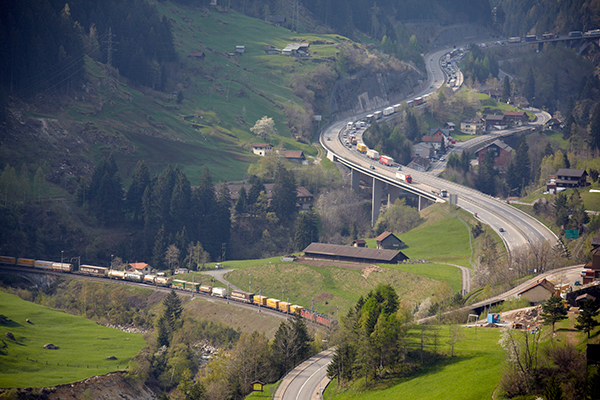
AlpInnoCT
AlpInnoCT
[Project completed] The Alps are a sensitive ecosystem that has to be protected from pollutant emissions and climate change. The alpine road freight transport has enormous ecological and sociocultural effects on the alpine habitat. Most actors such as forwarders, port operators, administrations and consumers, are aware of these negative effects and they are working on their own technical or regulatory solutions. However, a constructive and participatory dialogue between all involved actors, in order to promote sustainable freight transport within the Alps, has not been established so far.